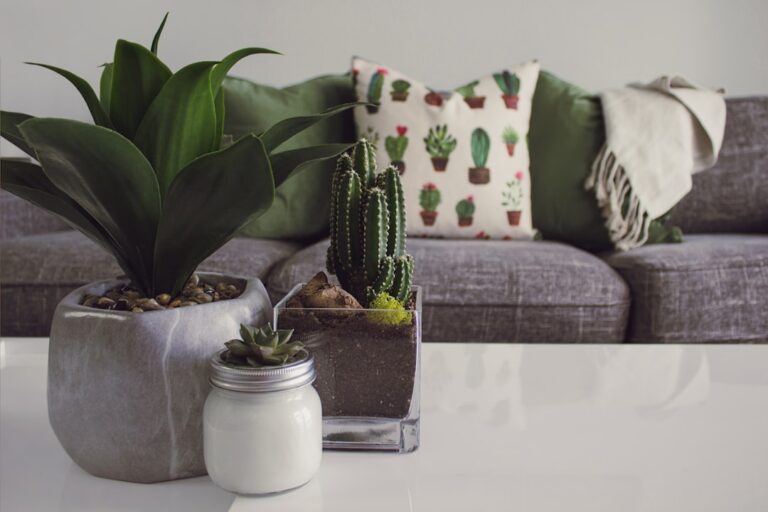

Most houseplant problems come down to a handful of repeat offenders: too much water, too little light, dry air or unwanted pests. The good news is that plants are surprisingly good at telling you what is wrong — yellow leaves, crispy tips, drooping stems and sticky residue are all signals, once you know how to read them. Learn the language and you can usually fix the issue before the plant is lost.
This guide is for anyone whose indoor plants keep going downhill despite their best efforts. We will work through the most common symptoms, what they usually mean, and exactly what to do — with a Singapore slant, because our climate and our love of air-conditioning create their own particular issues.
Yellowing leaves
Yellow leaves are the most common complaint, and the most common cause is overwatering. When roots sit in soggy soil they cannot breathe, and leaves yellow and drop. Check the soil: if it is wet and the pot feels heavy, ease off and let it dry before watering again. Make sure the pot has drainage and is not standing in a saucer of water.
Other causes include too little light, a need for feeding, or simply old age — an occasional yellow leaf at the base is normal as the plant sheds older growth. But if multiple leaves yellow at once, look first at watering.
Brown, crispy leaf tips and edges
Brown, crispy edges usually point to dry air, inconsistent watering, or a build-up of minerals from tap water. In Singapore this is overwhelmingly an air-conditioning problem — aircon strips humidity from the air and the leaf tips dry out, especially on humidity-loving plants like calatheas and ferns.
- Raise humidity: group plants together, use a pebble tray, or run a humidifier.
- Water consistently: avoid letting the plant swing between bone dry and soaked.
- Try better water: for sensitive plants, use filtered, rain or stood water.
- Move it away from the direct blast of an aircon vent.
Drooping or wilting
Drooping can mean opposite things, which trips people up. A thirsty plant droops because there is no water in the soil — check the soil, and if it is dry, a good watering should perk it up within hours. But an overwatered plant also droops, because its rotting roots can no longer take up water — and here, more water makes it worse.
So always feel the soil first. Dry soil plus drooping means water. Wet soil plus drooping means stop watering, check for root rot, and improve drainage. Sudden drooping can also follow a big change in light, temperature or a draught.
Leggy growth and small leaves
When a plant stretches with long gaps between leaves, and new leaves come out small, it is reaching for light. The fix is simple: move it somewhere brighter (still indirect for most houseplants). For climbing plants, adding a moss pole encourages bigger, more mature leaves. Pinching back leggy stems also encourages bushier growth.
Pests
Indoor plants attract a familiar cast of pests, and warm, humid Singapore is happy hunting ground for them. Catch them early and they are easy to manage.
Spider mites
Tiny specks with fine webbing, usually in drier air. Leaves look stippled or dusty. Rinse the plant, wipe leaves, raise humidity, and treat with insecticidal soap or neem if needed.
Mealybugs
White, cottony clumps in leaf joints. Dab them off with a cotton bud dipped in diluted alcohol and treat repeatedly until clear.
Scale
Small brown bumps on stems and leaf undersides. Scrape off gently and treat as for mealybugs.
Fungus gnats
Little flies around the soil, encouraged by constantly damp compost. Let the top of the soil dry out between waterings, and they usually disappear.
Root rot
The most serious common problem, root rot comes from prolonged overwatering and poor drainage. Signs include yellowing, drooping, a sour smell from the soil, and mushy black roots. Tip the plant out, trim away the rotten roots, repot into fresh well-draining mix and a clean pot, and water sparingly while it recovers. Prevention is far easier: water only when needed and always use a pot that drains.
The Singapore angle: humidity, heat and air-conditioning
Singapore’s climate flips some of the usual houseplant advice. The biggest single cause of trouble here is not under-watering but overwatering, because the warmth tempts people to water often while the humidity keeps soil moist for longer. When in doubt, wait — most houseplants prefer to dry out a little.
The second great local culprit is air-conditioning. It creates pockets of dry, cool air that crisp leaf tips and stress humidity-loving plants, even though the rest of your home is humid. Keeping plants away from direct vents and grouping them to raise local humidity solves a lot of mystery brown tips. Pests, too, breed quickly in our warmth, so a regular once-over of leaf undersides pays off. For homes, offices and condos that want plants kept healthy without the detective work, our indoor landscaping service includes regular maintenance, and the same expertise underpins our green wall installations.
Frequently asked questions
Why do my houseplants keep getting yellow leaves?
Overwatering is the usual cause. Soggy soil suffocates the roots and the leaves yellow and drop. Let the soil dry out more between waterings, make sure the pot drains, and never leave it standing in water. If only the odd bottom leaf yellows, that is just normal ageing.
How do I know if I am overwatering or underwatering?
Feel the soil. If the plant is drooping and the soil is dry, it needs water and should recover quickly. If it is drooping and the soil is wet, you are overwatering — stop, check for root rot and improve drainage. In Singapore, overwatering is by far the more common mistake.
Why do my plants get brown crispy tips in an air-conditioned room?
Air-conditioning dries out the air, and humidity-loving plants respond with brown, crispy tips. Move the plant away from the vent, group plants together to raise local humidity, or use a pebble tray or humidifier. Sensitive plants may also react to minerals in tap water.
How do I get rid of small flies around my plant soil?
Those are usually fungus gnats, which breed in constantly damp soil. Let the top few centimetres of soil dry out between waterings to break their cycle, and they typically disappear without further treatment. Avoid overwatering, which is what attracts them in the first place.
If your indoor plants keep struggling, or you would rather hand the care to people who do this every day, we can help. Explore our indoor landscaping service, see our vertical garden work, or get in touch for advice and a quote.