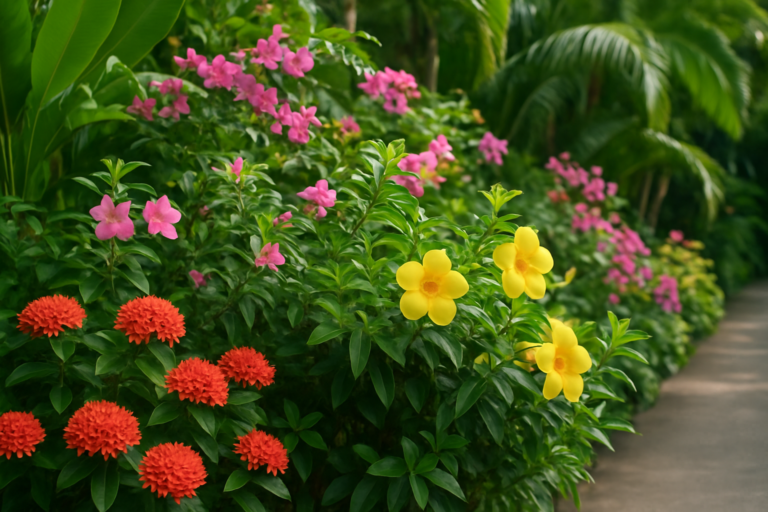
Drought tolerant plants are the secret to a garden that looks good with far less watering, which is especially handy for busy households, second homes, exposed rooftops and anyone who would rather not run an irrigation system constantly. While Singapore is famously rainy, we also get hot, dry spells, scorching sun on west-facing spots and dry pockets under eaves where rain rarely reaches. Choosing tough, water-wise plants for those areas saves effort, water and money.
This guide covers reliable drought-tolerant species for our climate, how to design a low-water garden and how to set plants up so they need minimal fuss once established.
Why choose drought-tolerant plants in Singapore?
It might seem odd to plan for drought in a country with year-round rain, but micro-conditions matter. Rooftop gardens, planter boxes, balconies under cover and hot paved courtyards all dry out fast. Drought-tolerant plants suit these spots because they store water, have tough or waxy leaves, or deep roots that cope between waterings.
The payoff is a resilient garden that survives if you travel, forgets to be watered for a few days without collapsing, and demands less from your irrigation. It is also a more sustainable, lower-cost way to garden.
Best drought-tolerant plants for sun
Succulents and cacti
The obvious choice — they store water in fleshy leaves and stems and thrive on neglect, provided they have sharp drainage. Excellent for pots, rockeries and hot, exposed spots.
Bougainvillea
A drought-loving climber and shrub that actually flowers better when not overwatered. Spectacular colour for minimal water.
Frangipani (Plumeria)
A sculptural small tree that copes well with dry spells and rewards you with fragrant flowers. A classic for tropical, low-water gardens.
Agave, yucca and architectural foliage
Bold, structural plants that hold their shape and need very little water — ideal for a modern, low-maintenance look.
Drought-tolerant plants for ground cover and texture
- Portulaca and purslane — low, flowering succulent ground covers that bask in full sun.
- Ornamental grasses — sway, soften and tolerate dry, exposed sites well.
- Sansevieria (snake plant) outdoors — nearly indestructible, with strong vertical form.
These fill beds and edges without the constant watering thirstier plants demand, and they add contrasting texture to a planting scheme.
Designing a low-water garden
Plant choice is only half the job. How you design and prepare the garden decides how little water it really needs:
- Group plants by water need — keep thirsty plants together and drought-tolerant ones together so you do not overwater the tough ones.
- Get the drainage right — most drought-tolerant plants hate wet feet; in our rainy climate, free-draining soil and raised beds prevent rot.
- Mulch generously — a good mulch layer keeps soil moist longer and cuts watering.
- Use gravel and hardscape — rockeries, gravel mulch and paving reduce planted area that needs watering and complement the look.
Because heavy tropical rain can drown drought-lovers, drainage is the single most important factor. If a bed or rooftop holds water, sorting the drainage works first will make or break the planting.
The Singapore angle: rain, drainage and rooftops
The irony of growing drought-tolerant plants here is that our problem is usually too much water, not too little. The species above survive dry spells easily but can rot in waterlogged soil after a downpour. Sharp drainage, raised planters and gritty soil mixes are essential.
Rooftop gardens, planter boxes and exposed condominium terraces are where drought-tolerant planting shines, because these spots dry out fast and are awkward to irrigate. Our planter boxes and soft-scaping service can build free-draining planters and select hardy species suited to these tough positions. For a fuller water-wise garden design, our outdoor landscape and construction team can combine planting, gravel and hardscape into a cohesive, low-maintenance scheme.
Establishing drought-tolerant plants
Even tough plants need help settling in. The phrase to remember is “water to establish, then ease off”:
- Water regularly for the first few weeks so roots grow deep and wide.
- Then taper off — deep, infrequent watering encourages drought resilience far better than frequent light sprinkles.
- Avoid overwatering established plants — for succulents and frangipani, too much water is more dangerous than too little.
Once established, a well-designed low-water garden needs little more than occasional watering in long dry spells, light pruning and a feed.
Frequently asked questions
Do drought-tolerant plants work in rainy Singapore?
Yes, as long as you give them excellent drainage. Their weakness is not dry weather but waterlogged roots, so plant them in free-draining soil, raised beds or pots and avoid spots where water pools. In well-drained positions they cope easily with both our rain and our dry spells.
What is the most drought-tolerant plant for full sun?
Succulents, cacti, bougainvillea and frangipani are all outstanding in hot, sunny positions and need very little water once established. Agave and yucca add bold structure for a modern, water-wise look.
How often should I water drought-tolerant plants?
After they are established, deep but infrequent watering is best — let the soil dry out between waterings rather than keeping it constantly moist. During long dry spells they may need an occasional soak; the rest of the time, our rainfall often does the job. Overwatering is the most common way to kill them.
Are drought-tolerant gardens low maintenance?
Generally yes. With less watering, slower-growing species and a design built around gravel and hardscape, these gardens need noticeably less upkeep than lush, thirsty planting. You will still prune, feed occasionally and weed, but the day-to-day demands are far lighter.
Want a garden that thrives with minimal watering? We can design a water-wise scheme, build free-draining planters and choose hardy species suited to your site and sun. See our outdoor landscape services or request a quote and we will help you create a resilient, low-water garden.