A fallen tree in Singapore is rarely just an inconvenience. After a heavy squall it can block your driveway, crush a fence, land on a car, or — worst of all — take down a power line. Knowing what to do in the first hour matters, both for safety and for sorting out removal quickly.
This guide walks Singapore homeowners, condo residents and property managers through exactly what to do when a tree comes down: how to stay safe, who is responsible, how removal works, and how to reduce the risk of it happening again.
First: stay safe and assess from a distance
Before you think about clearing anything, make sure no one is in danger. A fallen or partly fallen tree is unstable and heavy, and the situation can still be moving.
- Keep well clear of any cables. If the tree is touching or near a power line, treat the whole area as live. Do not approach, and call the relevant authorities and your electricity provider.
- Watch for hanging branches. A tree can come down in stages. Limbs caught under tension can spring loose without warning.
- Do not stand under a leaning tree. A tree resting against a wall or another tree can shift suddenly.
- Cordon off the area so children, pets and passers-by stay away until it is dealt with.
Who is responsible for a fallen tree?
Responsibility depends on where the tree stood and where it landed.
Trees on public land
Trees along public roads, in parks and on most state land are managed by the relevant authorities, and you should report them rather than touch them yourself. If a roadside tree falls and blocks a public road, it is reported and cleared through the proper channels.
Trees on private property
A tree on your landed property is generally your responsibility, including if it falls onto a neighbour’s land. In a condominium, trees on common property fall to the MCST or managing agent, so report it to building management first. It is worth noting that NParks oversees many trees, and some mature trees are protected — so even after a failure, replacement or works may need approval.
Document everything before clearing
Before any branch is cut, take clear photos and a short video from a safe distance. Capture the whole tree, the point of failure, and any damage to property, fences, vehicles or structures. This matters for two reasons: insurance claims and, if a neighbour’s tree caused the damage, establishing what happened. Note the date, time and weather conditions while they are fresh.
Removing a fallen tree safely
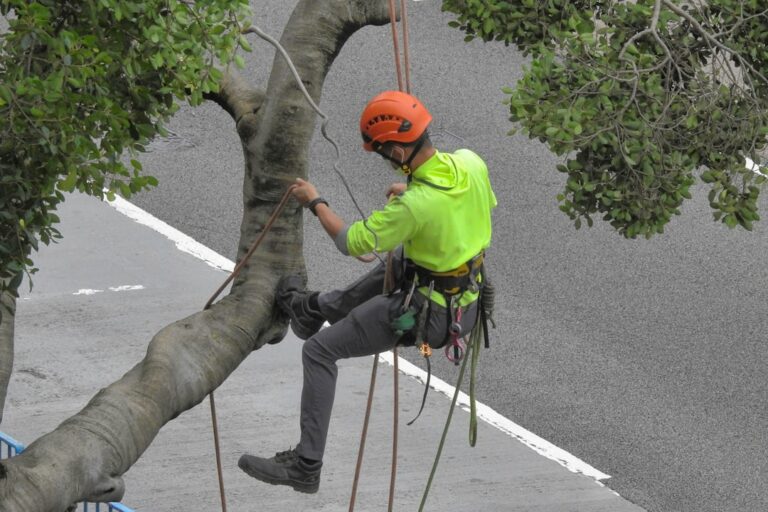
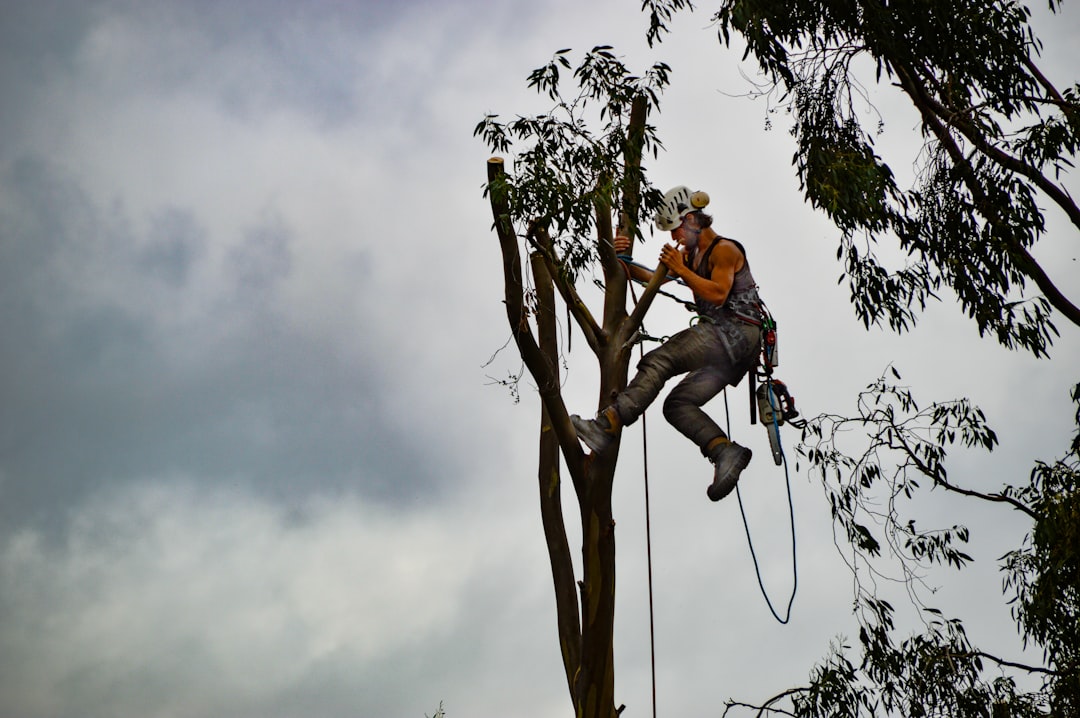
It is tempting to grab a saw and start cutting, but storm-damaged trees are genuinely dangerous. Wood under tension can kick back, and a partly uprooted tree can roll or drop. For anything beyond small, light branches lying flat on the ground, this is a job for trained professionals with the right equipment.
A professional clearance typically involves:
- Assessing tension, stability and any structures the tree is resting on.
- Cutting in a controlled sequence to release tension safely.
- Removing the canopy and trunk in manageable sections.
- Dealing with the root plate, stump and any lifted paving or drainage.
- Clearing and disposing of the green waste.
Our tree pruning and arborist team handles emergency and storm clearance, and can also advise on whether neighbouring trees are now at risk after the same storm.
Why trees fall in Singapore — and the local angle
Singapore’s climate is hard on trees. Year-round rainfall keeps the ground soft, and our intense Sumatra squalls and monsoon storms bring sudden, strong gusts onto canopies that are often full and heavy. A waterlogged root zone plus a strong gust is the classic combination behind a toppled tree.
Other common causes include hidden root rot in our warm, damp soils, root systems restricted by paving and structures, poor planting depth years earlier, and overgrown, top-heavy canopies that catch the wind like a sail. Trees near drains, retaining walls and pool decks are especially worth watching, because confined or compromised roots reduce stability. Where roots have lifted paving or blocked drainage, our drainage works team often gets involved alongside the tree removal.
What does fallen tree removal cost?
Costs vary widely with the size of the tree, how it has fallen, access for equipment, and whether it is tangled with structures or cables. As a rough guide, a small uprooted tree on open ground is far cheaper to clear than a large specimen leaning on a building with restricted access. Emergency call-outs and works near power lines naturally cost more. The honest answer is that pricing depends on a site assessment — anyone quoting a firm figure sight unseen is guessing.
Preventing the next fallen tree
Most tree failures give warning signs months before they happen. Regular inspection is the single best preventive step. Look out for:
- Leaning that has worsened over time, or soil heaving at the base.
- Mushrooms or fungal growth at the trunk base or on roots — a sign of decay.
- Cracks in the trunk, or dead and hollow sections.
- Dense, unbalanced canopies that need thinning to let wind through.
Routine crown thinning and structural pruning reduce wind load and let an arborist catch problems early. A professional inspection before the monsoon season is a sensible habit for any property with mature trees.
Frequently asked questions
Who do I call when a tree falls in Singapore?
If the tree is on a public road, in a park or on state land, report it to the relevant authorities. If it is on condo common property, contact your MCST or managing agent. For a tree on your private property, or one threatening to fall, call a professional arborist for safe removal. Always involve the authorities and your power provider if a cable is involved.
Can I remove a fallen tree myself?
Only very small, light branches lying flat and clear of structures. Storm-damaged trees hold dangerous tension and can shift or kick back without warning, so anything larger, leaning, uprooted or near cables should be left to trained professionals with the right equipment.
Does insurance cover a fallen tree?
It often depends on your policy and the circumstances, which is why documenting the scene with photos and the date and weather is so important. Property and home contents policies vary, so check your cover and report the incident promptly.
How can I tell if a tree is about to fall?
Watch for a worsening lean, heaving soil at the base, fungal growth on the trunk or roots, cracks, dead limbs and hollow sections. A heavy, unbalanced canopy is also a risk in our storms. A pre-monsoon inspection by an arborist is the most reliable way to catch these signs early.
If a tree has come down on your property, or you are worried one might, do not take the risk yourself. Contact our team for safe storm clearance, tree assessments and advice on protecting the trees you want to keep — across condos, landed homes and commercial grounds island-wide.
Storm-damaged or fallen tree?
We clear fallen and storm-damaged trees fast — tree cutting and removal with full debris clearing across Singapore.