Good fig tree care is about working with one of the most vigorous plant families you can grow in Singapore. Figs and banyans — both members of the genus Ficus — are striking, fast-growing and forgiving of our climate, but they bring some particular challenges: aggressive roots, dense canopies and the sheer scale that a mature specimen can reach. Understanding these traits early saves a lot of trouble later.
This guide covers how to look after figs and banyans in a Singapore garden, from watering and feeding to managing those famous roots and knowing when a tree has outgrown a DIY approach.
Understanding figs and banyans
Figs are a large group that ranges from compact potted plants such as the weeping fig and rubber plant right up to the enormous banyan, with its iconic aerial roots that drop from the branches and thicken into secondary trunks. They thrive in heat and humidity, which is exactly why they do so well here.
The trade-off for that vigour is appetite. Figs root strongly and widely in search of water, and the larger species can become very big indeed. Choosing the right tree for the right space at the outset is the single most important decision you will make.
Watering and feeding
Figs are tougher than many ornamentals but still reward consistent care, especially while establishing.
Watering
- Water newly planted trees regularly until they are established — deep, less frequent watering encourages roots to go down rather than spread shallowly.
- Established trees in the ground are fairly drought-tolerant but appreciate water during any unusually dry spell.
- Potted figs dry out faster; check the top of the soil and water when it begins to feel dry, taking care not to leave the pot standing in water.
Feeding
A balanced fertiliser applied during active growth keeps foliage dense and green. In our climate, growth is more or less continuous, so light, regular feeding works better than one heavy application. Yellowing leaves on an otherwise healthy tree often point to a feeding or drainage issue rather than disease.
Pruning figs and banyans
Pruning keeps these trees in shape and within bounds. Figs respond well to cutting and reshoot readily, which is good news for control but means you cannot simply prune once and forget.
- Remove dead, crossing or congested branches to open up the canopy and improve airflow.
- Shorten over-long shoots to keep the tree to the size your space allows.
- Most figs exude a milky latex when cut, which can irritate skin and eyes — wear gloves and eye protection.
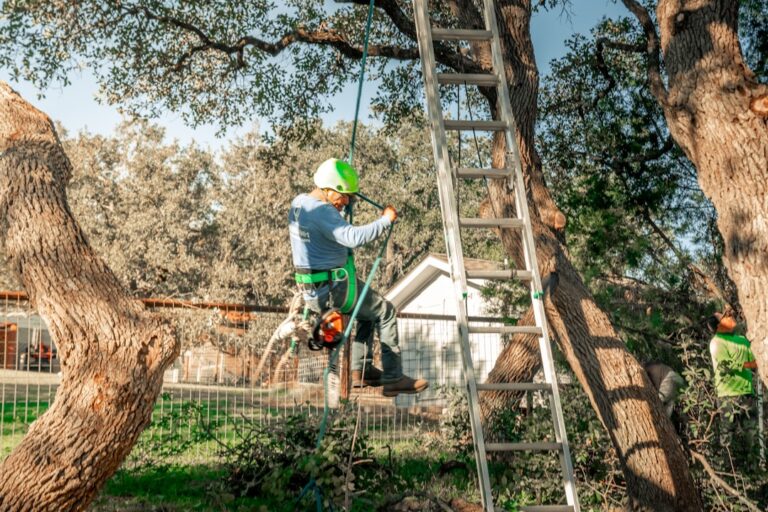
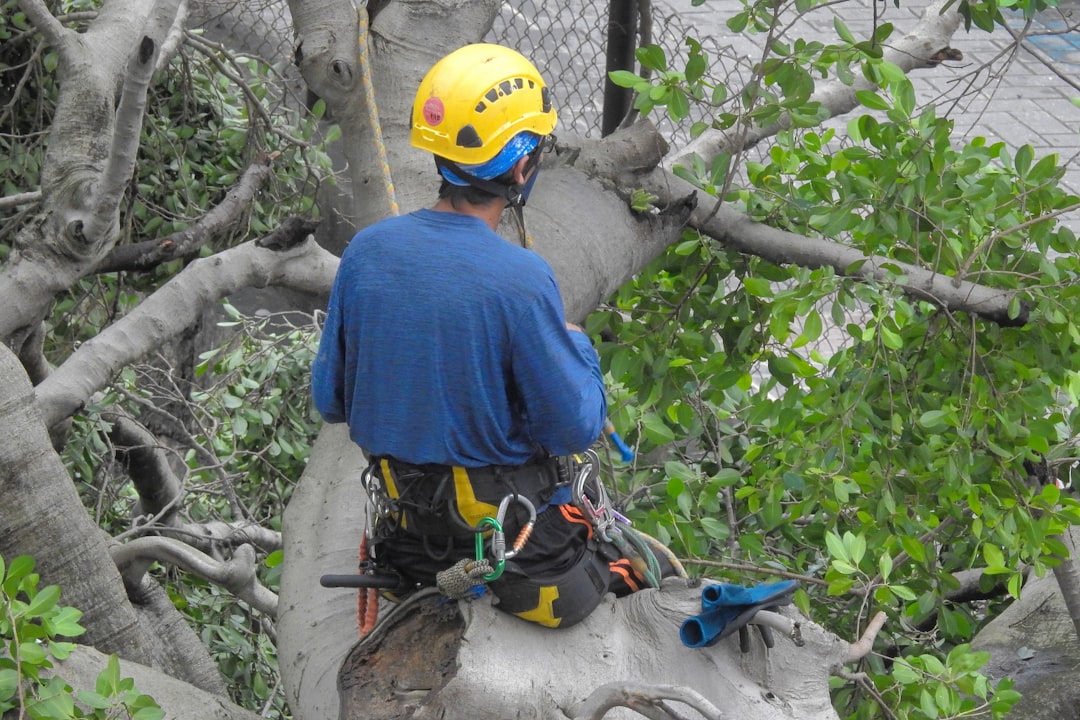
Large specimens, and especially banyans with their layered canopies and aerial roots, are not a sensible DIY pruning job. The limbs are heavy and the work is often at height. For anything beyond light shaping, professional tree pruning is the safe choice.
The Singapore angle: managing aggressive roots
The single biggest issue with figs and banyans in Singapore is their roots. In our warm, wet conditions they grow fast and far, and they have a well-earned reputation for lifting paving, cracking boundary walls, blocking drains and even working into the joints of nearby structures. A banyan in particular can extend a remarkable root system over time.
A few practical principles keep this in check:
- Never plant a large fig or banyan close to the house, boundary walls, drains or the septic system. Give it generous distance from anything you do not want disturbed.
- Be cautious about planting near underground services — irrigation lines, cables and drainage are all vulnerable.
- If roots are already causing damage, address it properly. Hacking at structural roots can destabilise a large tree, so this is work for an arborist who can assess what is safe to remove.
Bear in mind too that mature trees in Singapore are often protected, so significant work on a large fig or banyan may need NParks approval, and in a condo the tree is usually common property managed by the MCST. Where roots threaten paving or drainage, coordinated drainage works alongside root management may be the most lasting solution.
Growing figs in pots and small gardens
You do not need a large garden to enjoy a fig. Smaller species such as the weeping fig grow happily in containers and as indoor specimens, where their size is naturally restrained by the pot. Container growing also keeps the roots safely contained, sidestepping the structural worries that come with planting a vigorous fig in the ground. Repot or root-prune periodically to keep a potted fig healthy, and rotate it occasionally so it grows evenly towards the light.
When a tree has outgrown its spot
It is common for a fig planted years ago, when it was small, to eventually dominate a garden or threaten nearby structures. When that happens you have a few options: regular crown reduction to keep it manageable, or — for a valued tree in the wrong place — relocation through specialist tree upgrading and transplanting. An arborist can advise which is realistic for a given specimen and site before you resort to removal.
Frequently asked questions
Are fig and banyan roots really a problem for buildings?
They can be. Figs and banyans have vigorous, far-reaching roots that, over time, can lift paving, crack walls and block drains, especially in our fast-growing climate. The best defence is planting them well away from structures in the first place. If roots are already causing damage, have an arborist assess the situation rather than cutting structural roots yourself.
How often should I prune a fig tree?
Figs grow more or less year-round here, so light, regular pruning to keep the shape and size in check works better than occasional heavy cuts. The exact frequency depends on the species and how big you want the tree, but expect to do some shaping at least once or twice a year. Wear gloves, as the latex can irritate skin.
Can I grow a banyan in a small garden?
A true banyan needs a lot of space and is best avoided in small gardens because of its eventual size and root spread. If you love the look, a smaller fig species grown in a container gives you the foliage without the structural risk.
Why are my fig tree’s leaves turning yellow?
Yellowing leaves usually point to a watering or drainage issue, or sometimes a need for feeding, rather than disease. Check that the tree is not waterlogged or, conversely, drying out, and feed lightly during active growth. Persistent problems on a large tree are worth a professional look.
Figs and banyans are rewarding trees when managed with their vigour in mind. If yours has grown too large, its roots are causing trouble, or you simply want it kept in good shape safely, our arborists can help — explore our tree care services or contact us for a site visit.