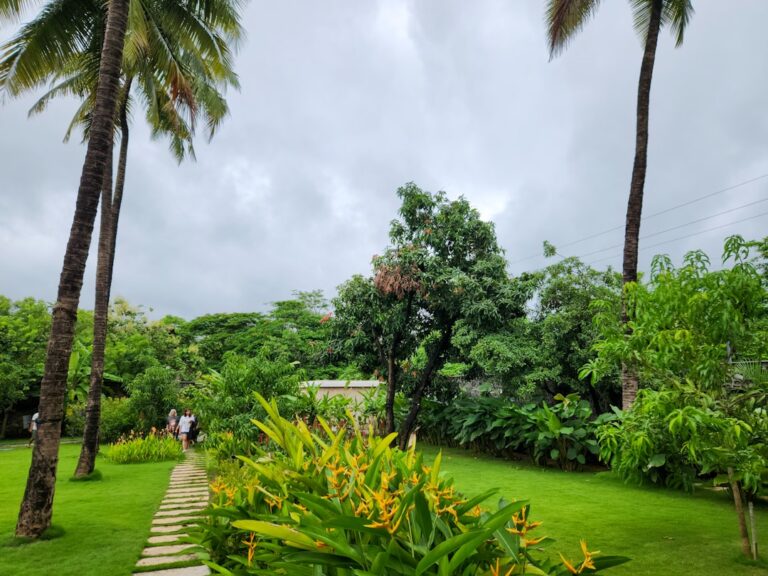
Garden zoning is the simple design idea that makes even a small outdoor space feel bigger and work harder. Instead of one undefined patch that tries to do everything and does nothing well, you divide the garden into distinct areas, each with a purpose: a place to dine, a place to relax, a place for the kids, a place to grow things. This guide explains how to zone a garden so every part earns its keep.
It is for homeowners with a garden that feels awkward or underused, families juggling competing needs in one space, and anyone wanting their plot to feel considered rather than random.
Why zoning works
An unzoned garden often feels both empty and cluttered at once, lots of space, none of it quite usable. Zoning fixes this by giving each area a job and a boundary. The benefits stack up:
- Everything has a place, dining, lounging, play and planting stop competing.
- The space feels larger, paradoxically, dividing a garden makes it feel more generous, because you cannot see it all at once.
- It suits real life, different people and activities coexist without clashing.
- It reads as designed, structure and intent always look better than sprawl.
Common zones to plan for
Living and dining
The social heart, a terrace or deck for eating and relaxing, ideally near the house and kitchen. This usually wants a hard, level surface and some shade.
Quiet and retreat
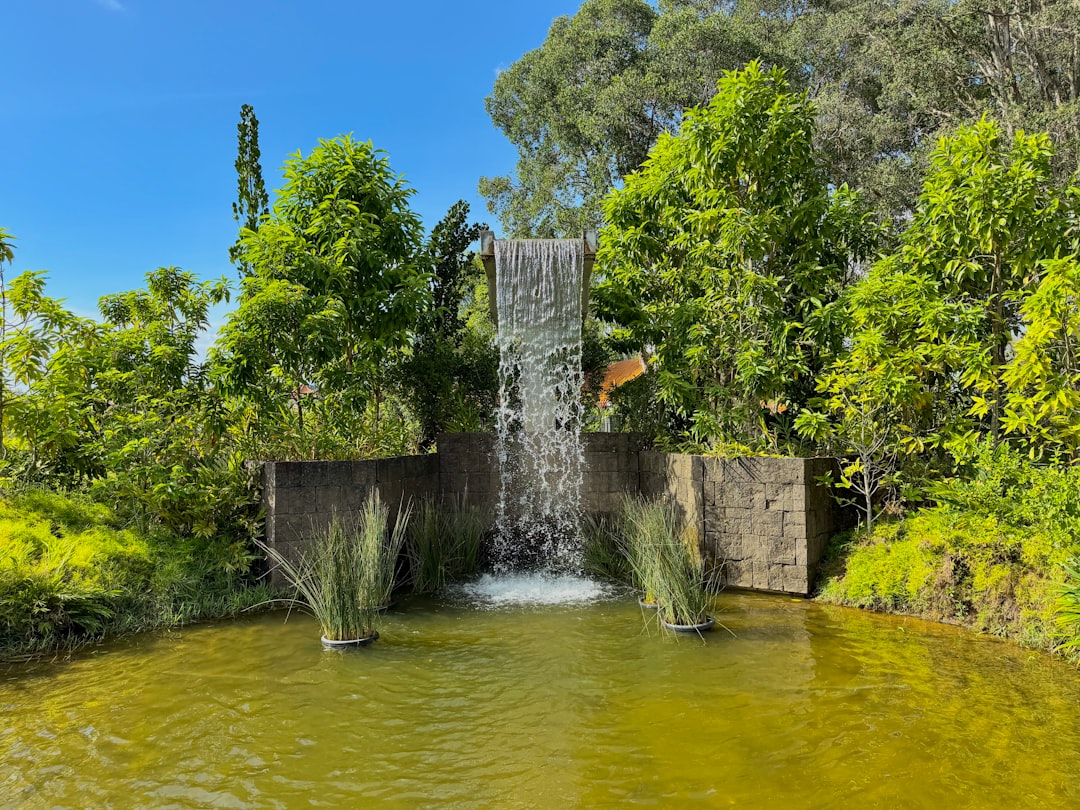
A smaller, more enclosed spot to read, sit or unwind, perhaps screened by planting, with a bench or a water feature for calm.
Play and active
Durable, safe open space for children or pets, lawn or a soft surface, kept clear of fragile planting.
Productive and working
Beds or planters for edibles and cutting flowers, plus the practical zone, bins, tools, compost, tucked out of sight.
How to define the zones
Zones do not need walls. The skill is in suggesting boundaries so the garden flows while still feeling structured:
- Changes in level, a step up to a deck or down to a sunken seating area instantly signals a new zone.
- Changes in surface, paving for dining, lawn for play, gravel or mulch for planting.
- Planting as dividers, a low hedge, a planter run or a few tall specimens screen one area from the next.
- Structures, a pergola, screen or timber deck frames a zone without closing it off.
- Paths, a route that links the zones gives the garden a sense of journey and flow.
Quality hardscape is what makes zoning read clearly, crisp surface changes and level transitions need to be well built, which is where civil and hardscape works come in.
The Singapore angle: zoning for our climate and homes
Zoning in Singapore has a practical climate dimension. Sun and shade vary hugely across a plot through the day, so zone by light: put the dining and lounging where there is afternoon shade or add cover, reserve the hottest, sunniest corner for sun-loving edibles, and tuck shade-lovers under trees. Aligning zones with the conditions means every area is comfortable and every plant is in the right place.
Drainage shapes zoning too, our heavy rain means a low, wet corner is better given over to moisture-tolerant planting or proper drainage works than to a play lawn that will turn to mud. And because our homes are often compact, zoning is most valuable in small spaces: even a modest landed garden or a condo PES benefits enormously from a clear dining zone, a green zone and a touch of retreat, rather than one vague open area.
For condos and strata properties, zoning a balcony or courtyard, a seating nook, a planted edge, a herb corner, makes a tight space feel purposeful and larger. In all cases, check with the MCST before fixed structures or works on common-facing areas.
Tips for zoning a small garden
- Limit the number of zones, two or three done well beat five squeezed in.
- Use multi-purpose features, a planter bench is seating and greenery; a deck is dining and lounge.
- Keep sightlines partly open so the garden still feels connected, not chopped up.
- Repeat materials and plants across zones for cohesion.
- Let the main zone, usually dining and living, take the lion’s share of space.
Frequently asked questions
Does zoning make a small garden feel smaller?
Usually the opposite. When you cannot see the entire garden in one glance, it feels larger and more interesting, you discover it as you move through. The trick is to divide gently, with planting, levels and surfaces rather than solid walls, so the space flows while still feeling structured.
How many zones should a garden have?
It depends on size and how you live, but restraint wins. Most gardens work best with two to four clear zones. Trying to fit too many leaves each one cramped. Decide what you most want from the garden, dining, relaxing, play, growing, and prioritise those.
How do I separate zones without building walls?
Use subtle cues: a change in flooring (paving to lawn to gravel), a change in level (a step up or down), planting as a soft divider (a low hedge or planter run), or a structure like a pergola. These suggest boundaries while keeping the garden open and connected.
Can I zone a condo balcony or small courtyard?
Absolutely, small spaces benefit most. Even a balcony can have a seating nook, a planted green edge and a herb or display corner. Different flooring, a divider plant or a change of furniture is enough to signal each zone and make the space feel purposeful and larger.
Got a garden that feels awkward or underused? We design zoned gardens that make the most of every square metre, then build them to last in our climate. Talk to our design team about a layout that finally works for how you live.