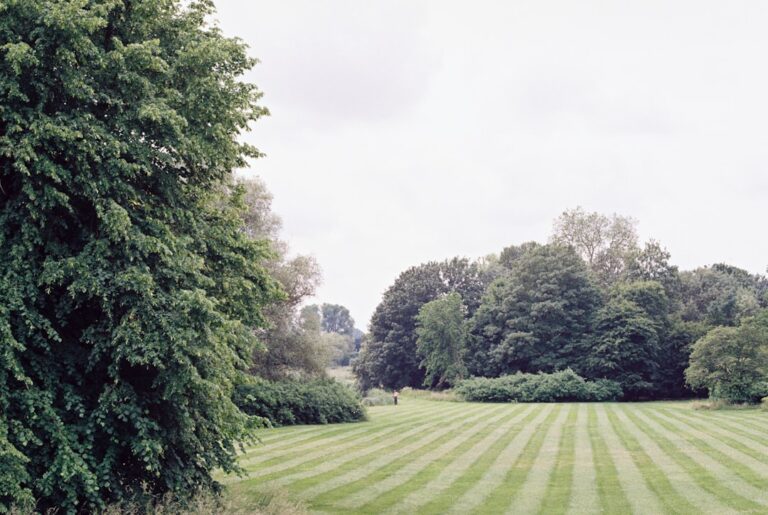

Getting rid of garden weeds is one of the most common frustrations for Singapore gardeners, and for good reason. Our warm, wet climate means weeds sprout fast, spread quickly, and seem to return the moment you turn your back. The trick is not just pulling them out, but doing it in a way that doesn’t damage the lawn, plants and soil you actually want to keep.
This guide walks through the methods that genuinely work in tropical conditions, how to tell weeds apart from desirable seedlings, and how to stop them coming back. Whether you tend a small landed garden or oversee a condominium’s communal greenery, the principles are the same.
Why weeds thrive in Singapore gardens
Weeds are simply plants growing where you don’t want them. In Singapore, three things give them an easy ride: constant warmth, heavy rainfall, and bare or compacted soil. A patch of exposed earth in a flower bed is an open invitation. Common offenders include nutgrass (sedge), goosegrass, sensitive plant (the spiky Mimosa that folds when touched), and creeping daisy.
Understanding the type of weed matters, because each behaves differently. Some spread by seed, some by underground runners, and some by both — which is why a one-size-fits-all approach rarely works.
Know your enemy: types of weeds
Annual weeds
These complete their life cycle in one growing season and rely on seed to spread. Goosegrass and many broadleaf weeds fall here. The key is to remove them before they flower and set seed.
Perennial weeds
These live for years and often spread by tough underground roots or rhizomes. Nutgrass is the classic example — snap off the top and it cheerfully regrows from the nutlet below. Perennials need persistence and complete root removal.
Manual removal: the safest method
For most home gardens, hand-weeding remains the most reliable and least risky approach. It targets only the weed, leaves no chemical residue, and lets you check the soil as you go.
- Weed after rain. Soft, damp soil releases roots far more easily, so the whole plant comes out rather than snapping.
- Get the root. A hand fork or weeding knife helps lift the entire root system, especially for nutgrass and sedges.
- Don’t compost seeding weeds. Bag and bin anything already flowering, or you’ll reseed your own beds.
- Work little and often. Ten minutes a week beats a punishing two-hour session once a month.
Mulching: stop weeds before they start
One of the most effective long-term tactics is denying weed seeds the light they need to germinate. A 5–7cm layer of organic mulch — bark, wood chips or composted leaf litter — over your beds suppresses most weeds, conserves moisture and feeds the soil as it breaks down. In our climate, mulch decomposes faster than in temperate countries, so plan to top it up once or twice a year. For lawns, the equivalent is keeping the grass dense and healthy so weeds simply can’t find a gap.
Using weedkillers responsibly
Herbicides have a place, but they’re where most damage to “everything else” happens. A few principles keep you safe:
- Selective vs non-selective. Non-selective products kill anything green, including your lawn and shrubs. Use them only for spot-treating cracks, paths and isolated weeds — never as a blanket spray near plants you value.
- Spot-treat, don’t broadcast. A small brush or targeted sprayer lets you paint herbicide onto the weed alone.
- Mind the rain. Singapore’s sudden downpours wash product off before it works and can carry it into drains. Spray on a dry, still morning with a clear few hours ahead.
- Follow the label. More is not better; over-application harms soil life and nearby roots.
For larger properties, ongoing weed control is best handled as part of a structured landscape maintenance programme, where treatment is timed correctly and applied by people who know which products are safe around which plants.
The Singapore angle: weeds, drains and shared greenery
Two local factors are worth flagging. First, our rainfall means weed control and drainage go hand in hand — pooling water and silty, compacted soil create perfect weed conditions, so fixing drainage often reduces weeds at the same time. Second, in strata-managed condominiums, weed control across communal lawns and planters usually falls to the MCST’s appointed contractor. If you’re a resident frustrated by weedy common areas, raise it with your managing agent rather than treating shared turf yourself, as inconsistent spraying can harm the wider landscape.
Frequently asked questions
Does vinegar or salt kill garden weeds?
Household vinegar can scorch the leaves of small weeds, but it rarely kills the roots of established perennials, so they regrow. Salt is worse — it sterilises the soil and can damage nearby plants and drainage for a long time. For a garden you want to keep healthy, manual removal and mulching are far safer.
How do I get rid of nutgrass for good?
Nutgrass is stubborn because it regrows from underground nutlets. Dig out as much of the root system as you can, repeat regularly to exhaust the plant, and keep the surrounding turf or planting dense so it can’t re-establish. There’s no instant fix — consistency over a few months is what wins.
Will weeds come back after I remove them?
Some will, because seeds remain dormant in the soil. The goal isn’t a permanently weed-free garden but a manageable one. Mulching, healthy dense planting and a little regular attention keep regrowth to a minimum.
Is it safe to weed around my plants with chemicals?
Only with great care. Non-selective herbicides will kill ornamentals just as readily as weeds. Near valued plants, hand-weeding is almost always the better choice, with chemicals reserved for paths and isolated spots.
If weeds keep getting the better of your garden — or you simply don’t have the time to stay on top of them — our team can help. We offer regular garden maintenance that keeps weeds, edges and planting in check year-round, and we’re happy to assess problem areas across landed homes and condos. Get in touch for a no-obligation quote and let us take the weeding off your hands.