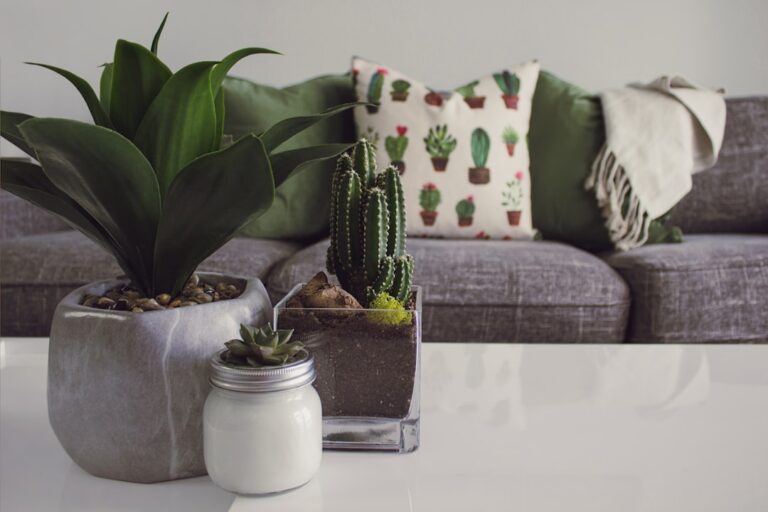
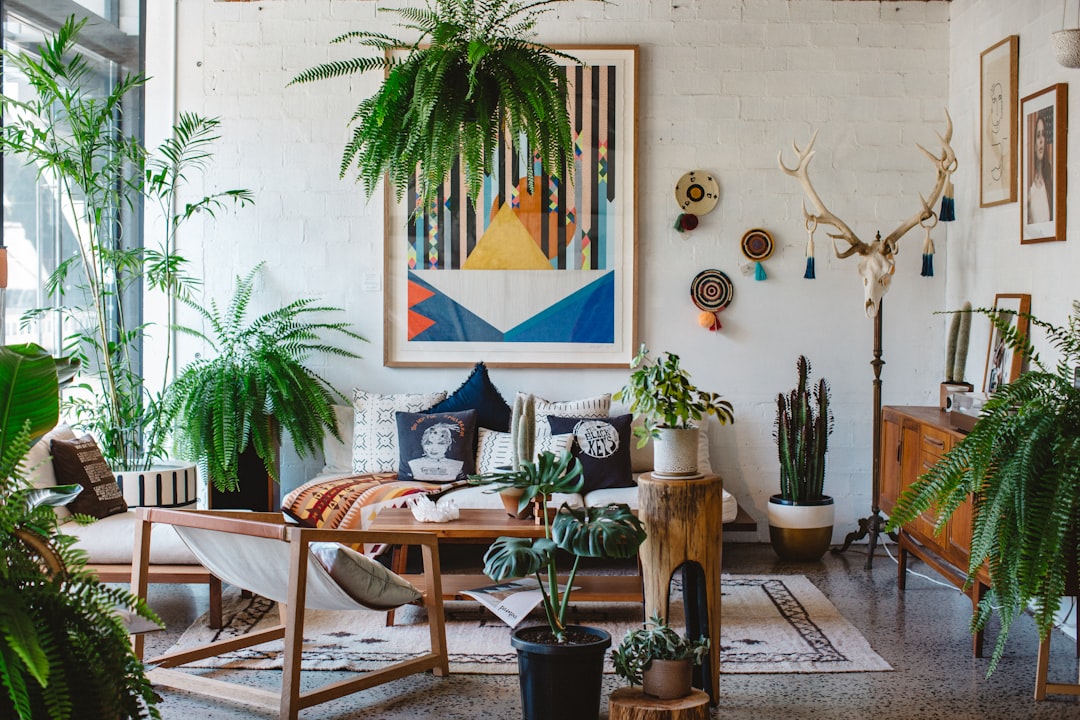
Indoor palm care turns a corner of a room into a lush, resort-like feature — and palms are a natural fit for Singapore homes, which share the warmth and humidity these tropical plants evolved in. The areca palm in particular is a favourite for its soft, feathery fronds and screening height.
This guide is for Singapore homeowners and office plant-keepers who want healthy, full indoor palms. You’ll learn how to light, water and feed them, keep the fronds green, and avoid the brown tips that are the most common palm frustration.
Popular indoor palms for Singapore homes
- Areca palm — the classic, with arching feathery fronds; great for height and screening.
- Kentia palm — elegant and forgiving of lower light.
- Parlour palm — compact, ideal for tabletops and smaller corners.
- Lady palm (Rhapis) — tough, slow-growing and tolerant of shade.
They share broadly similar needs, so the care advice below applies across the group, with the areca as our main example.
Light: bright but filtered
Indoor palms want bright, indirect light. Areca palms colour up and stay full near a window with filtered sun, while kentia and lady palms cope better with the dimmer corners. None of them enjoy harsh direct midday sun through glass, which scorches the fronds and leaves pale patches.
If a palm grows thin and stretches towards the window, it needs more light. Turning the pot occasionally keeps growth even on all sides.
Watering correctly
Palms like soil that stays lightly moist but never waterlogged. Water thoroughly until it drains from the bottom, then wait until the top few centimetres of soil feel dry before watering again.
- Soggy soil leads to yellowing fronds and root rot — the most common way indoor palms are killed.
- Letting the soil dry out completely causes browning and crisping.
- Always use a pot with drainage holes and empty the saucer.
The Singapore factor: humidity is your friend, air-con isn’t
Singapore’s humid air is exactly what palms love, which is a real advantage over temperate climates where people struggle to keep palm fronds from crisping. The flip side is air-conditioning, which dries the air and the fronds. A palm parked directly under a cold vent will develop brown tips no matter how carefully you water it.
Keep palms out of direct air-con airflow, and because our humid conditions slow soil drying, always check the soil before watering rather than following a fixed routine. During the rainy months, indoor palms generally need watering less often.
Feeding, cleaning and repotting
Feed monthly during the brighter growing stretches with a balanced liquid fertiliser at half strength. Palms are sensitive to over-feeding, which can brown the tips, so go light.
Dust settles on broad fronds and dulls them — wipe larger leaves with a damp cloth now and then. Repot every couple of years, or when roots fill the pot, moving up just one size. Palms dislike being disturbed, so handle the rootball gently.
Pruning and grooming
Palms grow from a central point, so never cut the growing tip — it will not regrow. Only remove fronds that have fully browned or died.
Tidying tips
- Trim off completely brown fronds at the base with clean secateurs.
- If only the tip is brown, snip it following the natural leaf shape rather than cutting straight across.
- Leave green fronds alone, even partly yellow ones, as the plant still draws energy from them.
For tall feature palms in homes, lobbies or offices, our indoor landscaping team can handle grooming and health checks on a regular visit.
Frequently asked questions
Why do my palm fronds have brown tips?
Brown tips usually come from dry air, most often air-conditioning, or from inconsistent watering and over-feeding. Move the palm away from cold vents, keep watering steady, and feed sparingly. You can trim the brown tips to neaten the look, following the frond’s natural shape.
How often should I water an indoor palm in Singapore?
Keep the soil lightly moist — water when the top few centimetres have dried, then water thoroughly and let it drain. In our humid climate the soil dries slowly, so check before watering rather than sticking to a schedule.
Why are the lower fronds turning yellow?
A few yellowing lower fronds on an older palm can be natural ageing. Widespread yellowing usually means overwatering or poor drainage — let the soil dry more between waterings and make sure the pot drains freely.
Can indoor palms survive in low light?
Some can. Kentia, parlour and lady palms tolerate dimmer corners, while areca palms prefer brighter, filtered light to stay full. In very low light, expect slower, thinner growth.
Want lush, healthy palms framing your living space? Our team selects, installs and maintains indoor palms suited to Singapore homes and workplaces. See our indoor landscaping services or get in touch to plan your green corner.