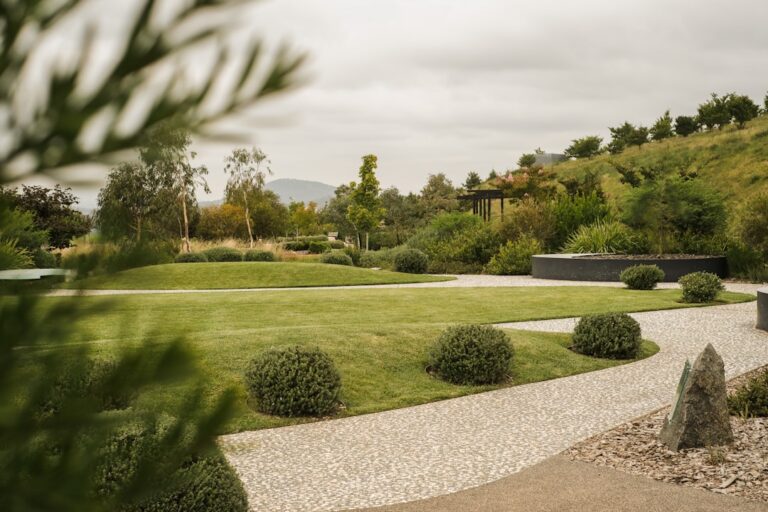

A landscaping site survey is the foundation of any successful garden project. Before a single plant goes in or a deck is built, a good contractor visits to assess the space, understand your needs, and gather the information needed for an accurate design and quote. Skip this step, and you risk surprises, delays and cost overruns later.
This guide is for homeowners and property managers about to start a project. We’ll explain what the survey covers, why each part matters, and how to prepare so you get the most from the visit.
Why a site survey matters
Every site is different. Soil, drainage, sunlight, access and existing features all shape what’s possible and what it will cost. A quote given without seeing the space is little more than a guess. The survey lets the team spot problems early, recommend the right approach, and price the work honestly, which protects you from nasty surprises mid-project.
What the team assesses on site
The ground and drainage
The surveyor checks soil type, levels and how water moves across the site. In Singapore, drainage is critical because of our heavy rainfall, so they’ll look for low spots, pooling, and where water needs to go. Poor drainage discovered now is far cheaper to solve than after planting or paving.
Light, aspect and microclimate
How the sun tracks across the space decides what will grow where. The team notes sunny, shaded and windy areas, which is essential for choosing plants that will actually thrive rather than struggle.
Existing features and constraints
- Existing trees, plants and structures to keep, move or remove.
- Boundaries, walls, fences and neighbouring properties.
- Services such as drains, pipes, cabling and lighting points.
- Access for materials, machinery and waste removal.
Your needs and vision
Just as important as the physical space is what you want from it. Expect questions about how you’ll use the garden, your style preferences, budget range, and how much maintenance you’re willing to take on.
Measurements and records
The team takes measurements, photographs and notes to work from back at the office. For larger or more complex sites, they may produce a scaled plan. These records turn a vague idea into a workable design and an itemised quote, and they form the brief everyone refers to as the project progresses.
How the survey shapes your quote and design
Findings from the survey feed directly into both the design and the price. Discovering that a site needs drainage works before planting, or that access is tight and slows delivery, changes the scope and cost. That’s why a survey-based quote is so much more reliable than a phone estimate. It reflects your actual site, not an average one.
From there, the survey informs the full range of services your project might involve, whether that’s planting, hardscaping, irrigation or tree work, all planned around what the site can support.
A Singapore angle: climate, condos and approvals
Local conditions add specific things to check. Our intense rain makes drainage and waterproofing central to almost every survey. In condominiums and strata properties, the team also considers MCST rules, access through common areas, working-hour restrictions and whether management approval is needed. Where mature trees are involved, there may be NParks considerations, and an arborist’s input can be valuable.
For tree-related concerns, a survey may flag the need for professional tree pruning or assessment, especially near buildings or boundaries where safety and approvals matter.
How to prepare for your survey
- Have a rough budget range in mind, even if it’s broad.
- Note what you like and dislike about the current space.
- Collect any images or references that show the style you want.
- Mention known issues such as flooding, leaks or problem plants.
- Make sure the team can access all areas, including side and rear spaces.
Frequently asked questions
Is a landscaping site survey free?
Many landscapers offer an initial site visit and consultation at no charge as part of providing a quote, while detailed design work or measured surveys for complex projects may be chargeable. It’s best to confirm what’s included when you book, so there are no surprises.
How long does a site survey take?
A typical residential visit takes anywhere from half an hour to a couple of hours, depending on the size and complexity of the space and how much you want to discuss. Larger or commercial sites naturally take longer.
What should I have ready for the survey?
A rough budget, a sense of how you want to use the space, any reference images, and a note of known problems like poor drainage. Make sure the whole area is accessible so nothing important gets missed.
Why can’t you just quote from photos?
Photos miss the things that drive cost and design, such as soil, levels, drainage, access and hidden services. A site visit lets the team assess these properly, which is the only way to give a quote that won’t change dramatically once work begins.
Ready to start your garden project on the right foot? Book a site survey and we’ll assess your space, talk through your ideas, and provide a clear, accurate quote. Arrange your visit today and let’s plan something that works for your site.