
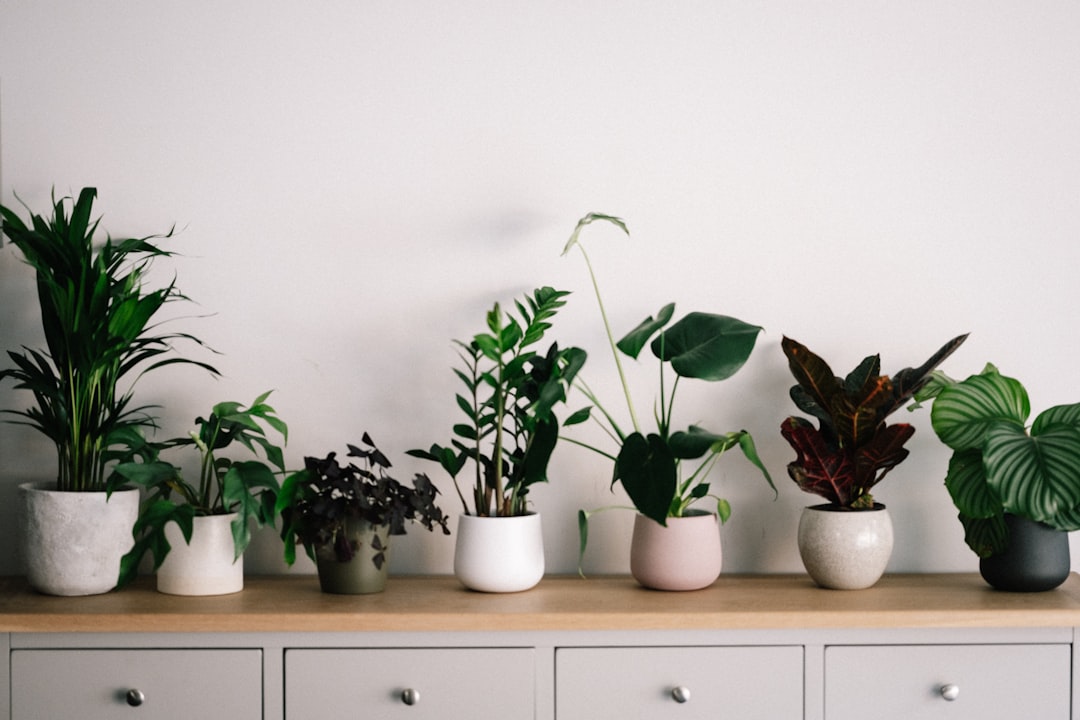
Finding good low-light indoor plants in Singapore is the key to greening the rooms that most need it — the windowless corners, the deep interiors of HDB flats, and the back of an open-plan office. Plenty of plants will tolerate, even thrive in, the kind of soft, indirect light those spaces offer. The trick is choosing the right species and giving them the simple care they need. This guide covers the most reliable shade-tolerant plants for our homes and workplaces, plus how to keep them looking their best.
None of these need direct sun, and most forgive the occasional missed watering — ideal for busy households and offices alike.
What “low light” really means
Low light does not mean no light. Almost every plant needs some light to survive, so a truly dark room — a windowless store or a corridor with no daylight — will struggle to keep anything alive long-term. What low-light plants tolerate is indirect light: a few metres from a window, in a room with curtains, or under steady artificial lighting in an office.
If a spot has enough light to read a book comfortably during the day without switching on a lamp, most of the plants below will do well there.
The best low-light indoor plants
Snake plant (Sansevieria)
Nearly indestructible. Upright, sculptural leaves tolerate deep shade and infrequent watering, making it the classic choice for offices and forgetful owners. Let the soil dry fully between waterings.
ZZ plant (Zamioculcas)
Glossy, deep-green leaves and an exceptional tolerance for low light and neglect. It stores water in its roots, so it shrugs off missed waterings — perfect for a quiet office corner.
Pothos (Devil’s ivy)
A trailing vine that grows happily in shade and looks great cascading from a shelf or trained along a wall. Fast-growing and very forgiving; trim it to keep it tidy.
Peace lily (Spathiphyllum)
One of the few low-light plants that flowers indoors, with elegant white blooms. It tells you when it is thirsty by drooping, then perks up after watering — a handy cue for beginners.
Chinese evergreen (Aglaonema)
Patterned leaves in greens, silvers and pinks bring colour to dim rooms. Very tolerant of low light and steady indoor temperatures.
Cast iron plant (Aspidistra)
True to its name, it withstands shade, neglect and a wide range of conditions, with broad, dark leaves that suit a low-key corner.
The Singapore angle: homes and offices
Singapore’s living and working spaces lend themselves to low-light greenery. Many HDB and condo layouts have deep interiors where light fades quickly away from the windows, and air-conditioned, artificially lit offices rarely offer bright natural light. The plants above are well suited to exactly these conditions.
Two local factors are worth keeping in mind. First, air-conditioning dries the air and can chill plants placed directly under a vent — keep foliage out of the cold draught. Second, our ambient humidity is generally high, which most tropical houseplants love, so they often need watering less often indoors than you might expect. For larger installations — a reception, a lobby, a whole office floor — a planned indoor landscaping scheme keeps everything healthy and looking deliberate rather than scattered.
Placing plants for the light they actually get
The most common reason a shade plant struggles is not the plant but the spot. Light indoors falls away far more steeply than it appears to the eye, so a corner that looks “bright enough” to you may be too dim for steady growth. A simple way to judge is to notice how strong the shadows are: crisp, defined shadows mean usable light, while a spot where shadows are faint or absent is genuinely low light and suits only the toughest species.
A few placement habits make a real difference:
- Keep the more demanding plants nearer windows and reserve the deep interior for snake plant, ZZ plant and pothos.
- Sheer curtains soften harsh light without cutting it off — useful for plants that want bright but indirect light.
- In windowless rooms, steady artificial lighting through the day can stand in for natural light for tolerant species.
- Move a plant that is stretching, leaning or fading towards more light before it declines further.
Caring for low-light plants
The biggest mistake with shade plants is overwatering. In low light, plants use water slowly, so soggy soil is a real risk. A few simple habits keep them thriving:
- Let the top few centimetres of soil dry before watering again
- Always use pots with drainage holes; never let plants sit in standing water
- Wipe dust off leaves occasionally so they can absorb what light there is
- Rotate plants now and then so they grow evenly
- Keep them away from direct air-conditioning draughts
Going beyond pots: vertical greenery
If you want more impact than scattered pots can give, a living wall of shade-tolerant species transforms a dim feature wall or office reception into a striking focal point. Many of the plants above work well in vertical planting, and a properly built system handles watering for you. Our guide to a green wall or vertical garden explains how these are built and maintained indoors.
Frequently asked questions
Which indoor plant survives the least light?
The ZZ plant and snake plant are the toughest for very dim spots. Both tolerate deep shade and irregular watering, which is why they are office favourites. Even so, they need some indirect light to stay healthy long-term.
Can indoor plants live under office lighting alone?
Many can. Steady artificial light in an office provides enough for tolerant species like pothos, snake plant and ZZ plant, especially if the lights are on through the working day.
How often should I water low-light indoor plants in Singapore?
Less often than brighter plants — typically when the top few centimetres of soil feel dry. In low light and air-conditioning, plants use water slowly, so check the soil rather than watering on a fixed schedule.
Why are my low-light plant’s leaves turning yellow?
Usually overwatering. In dim conditions, soggy soil leads to yellowing and root rot. Let the soil dry out more between waterings and make sure the pot drains freely.
Want lush greenery in the darker corners of your home or office? We design, supply and maintain indoor planting that actually thrives — explore our indoor landscaping services or contact us for tailored advice on your space.


