
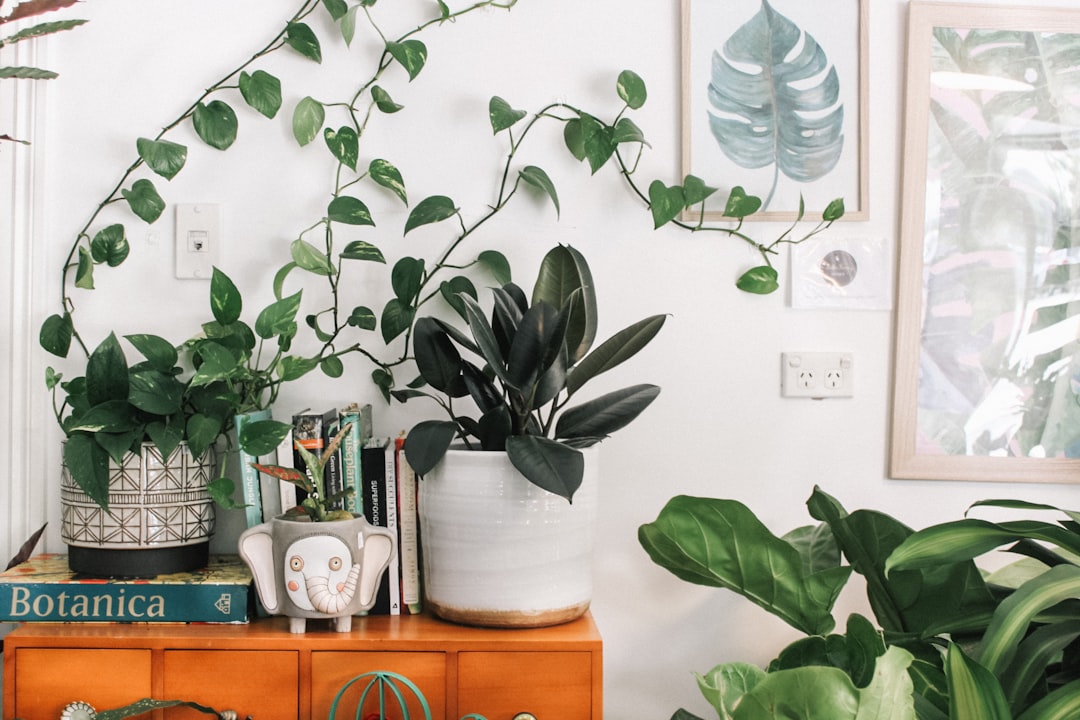
A north-facing balcony is often written off as too dark for anything green, but that is rarely true. The right north facing balcony plants will not just survive in soft, indirect light, they will look lush and stay healthier than sun-baked plants on a scorching west-facing ledge. The trick is matching the planting to the light you actually have.
This guide explains how a north aspect behaves in Singapore, the plants that genuinely thrive in it, and how to arrange and care for them so your balcony feels like a green retreat rather than a forgotten corner.
Understanding a north-facing balcony
In Singapore, a north-facing balcony gets little to no direct sun for most of the year, since the sun tracks across the southern sky. Instead it receives bright, soft, indirect light, which is steady and gentle rather than fierce. That is actually closer to the dappled forest-floor conditions many tropical houseplants evolved in.
The practical upside is less heat stress, slower drying soil and no scorched leaves. The thing to watch is true depth of shade: a north balcony that is also recessed, screened or shadowed by the block opposite can drop into genuinely low light, which narrows your plant choices.
Read your light first
- Bright shade: open north balcony with plenty of sky. Most foliage plants are happy.
- Moderate shade: partly recessed or screened. Stick to tolerant, leafy species.
- Deep shade: heavily overhung or boxed in. Choose only the toughest low-light survivors.
Best foliage plants for soft north light
Foliage plants are the backbone of a shaded balcony, prized for leaf shape, pattern and colour rather than flowers.
- Pothos (money plant): almost unkillable, trails beautifully and tolerates low light.
- Philodendron (heartleaf and similar): lush, forgiving and fast in our climate.
- Aglaonema (Chinese evergreen): patterned leaves, genuinely happy in shade.
- Dracaena: upright structure and easy care for a vertical accent.
- ZZ plant: glossy and drought-tolerant, ideal for forgetful waterers.
- Snake plant (sansevieria): architectural, hardy and copes with low light and neglect.
Plants for a tropical, leafy feel
If you want that resort-like greenery, lean on plants that revel in humidity and shade.
- Ferns (bird’s nest, Boston): thrive in the damp, shaded conditions a north balcony often provides.
- Calathea and maranta: striking patterned leaves that prefer indirect light and dislike direct sun.
- Peace lily: one of the few shade plants that will still flower in soft light, and a good humidity indicator.
- Monstera: in bright shade it grows large and dramatic, perfect as a feature plant.
Adding height, trailing and structure
A balcony looks far better when planting works at several levels rather than a single row of pots on the floor.
Go vertical
- Hang pothos, philodendron or ferns from the ceiling or a rail so they trail down.
- Use a slim plant stand or shelving to lift smaller plants to eye level.
- Mount a narrow living wall against a side wall to green a vertical surface without losing floor space.
Mix the layers
Combine a tall anchor plant such as a dracaena or monstera, mid-height leafy plants like aglaonema, and trailing greenery spilling from above. The contrast of shapes makes even a few plants feel like a designed space.
Caring for a shaded balcony
Lower light changes how you should care for plants, and over-watering is the biggest risk.
- Water less than you think. Soil in shade dries slowly, so let the top few centimetres dry before watering again.
- Ensure drainage. Every pot needs a hole; standing water in shade rots roots quickly.
- Feed lightly. Plants in low light grow slower and need less fertiliser; a diluted feed now and then is plenty.
- Dust the leaves. Clean leaves absorb the limited light far more efficiently.
- Rotate occasionally. Turning pots keeps growth even rather than reaching to one side.
The Singapore angle: condos, wind and rain
Most north-facing balconies in Singapore belong to condominiums and high-rise homes, which brings its own quirks. The humidity is a genuine advantage, keeping ferns and calatheas happy with little effort, and the lack of direct sun means you are not constantly battling scorch and bone-dry soil the way a west-facing balcony forces you to.
Wind is the variable to respect. Higher floors can get surprisingly gusty, which dries and shreds delicate leaves and can topple tall, light pots, so choose sturdier containers and shelter fragile plants behind hardier ones. Sudden tropical downpours can also blow in and waterlog pots, so make sure everything drains freely and is not left sitting in saucers full of rainwater.
Strata living adds a couple of practical points: heavy planters, drilling for hanging hooks and water dripping to the unit below may all be governed by your MCST or managing agent, so it is worth checking before you commit to a big installation. If you would like the whole balcony planned, planted and maintained for you, this is exactly what our indoor landscaping and balcony greening service covers, and for a bolder green statement we can build a tailored vertical garden or green wall suited to your light.
Frequently asked questions
What plants survive on a balcony with no direct sunlight?
Plenty do. Snake plant, ZZ plant, pothos, philodendron, aglaonema and bird’s nest fern all cope well with bright or even moderate shade and no direct sun. The key is bright indirect light; if the balcony is also deeply recessed and genuinely dark, stick to the toughest of these.
Can flowering plants grow on a north-facing balcony?
Flowering is harder in shade because most blooms need stronger light, so a north balcony is really a foliage paradise rather than a flower garden. The peace lily is a reliable exception that will still flower in soft light, and you can always add a few temporary potted blooms for a seasonal lift.
How often should I water plants on a shaded balcony?
Less often than sunnier spots, because soil in shade stays moist for longer. Rather than following a fixed schedule, check the top few centimetres of soil and only water when it has dried out. Over-watering in low light is the most common reason shaded balcony plants die.
Do north-facing balcony plants grow more slowly?
Generally yes. Less light means slower growth, which is not a bad thing: plants stay compact, need less pruning and require less feeding. Just be patient with new plants and resist the urge to over-fertilise to push growth that the light cannot support.
If your shaded balcony deserves to feel like a green escape, we can design and install planting matched to your exact light and look after it for you. Reach out for a balcony consultation and we will turn that quiet corner into something lush.


