Choosing pool decking in Singapore means balancing three demands at once: it must be safe underfoot when wet, comfortable in the tropical sun, and tough enough to handle chlorine, salt and constant moisture. The right surface makes a pool area inviting and low-fuss; the wrong one turns slippery, scorching or shabby fast. This guide covers the main materials and the practical details that matter most here.
It is for homeowners with a private pool, condo facility managers, and anyone planning or refreshing a poolside area. You will learn which surfaces perform best in our climate and what to plan for beyond the material itself.
What pool decking has to cope with
Poolside surfaces face a harsher brief than ordinary decking. Before comparing materials, it helps to know what you are designing against.
- Wet feet: the surface is regularly soaked, so slip resistance is the top priority.
- Bare feet: people walk on it without shoes, so it must not get too hot.
- Chemicals and salt: chlorine, salt-water systems and pool treatments are corrosive over time.
- Constant moisture: our humidity and rain encourage mould, algae and staining in shaded spots.
The main pool decking materials
Composite decking
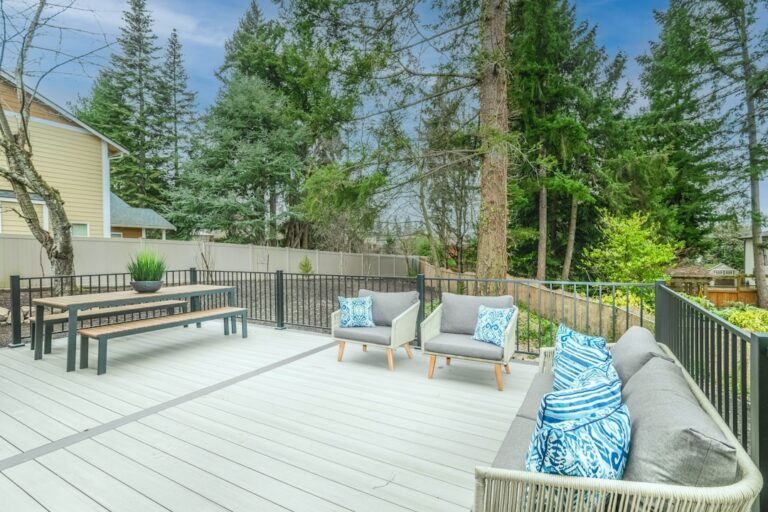
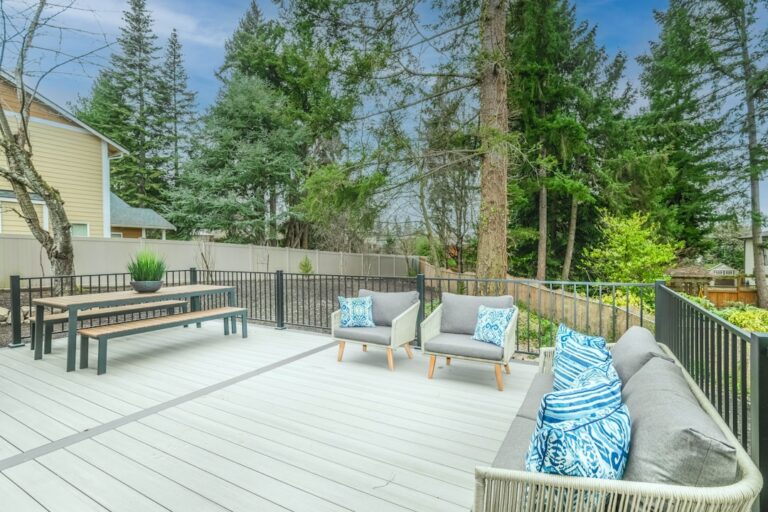
Composite is a strong all-rounder for pools. It resists rot, moisture and fading, needs no oiling, and textured boards offer good grip. Choose a capped, slip-resistant range and a mid or lighter tone to keep heat down. The main caution is that dark composite can get hot in direct sun, so consider shade or a lighter shade for fully exposed areas.
Hardwood timber
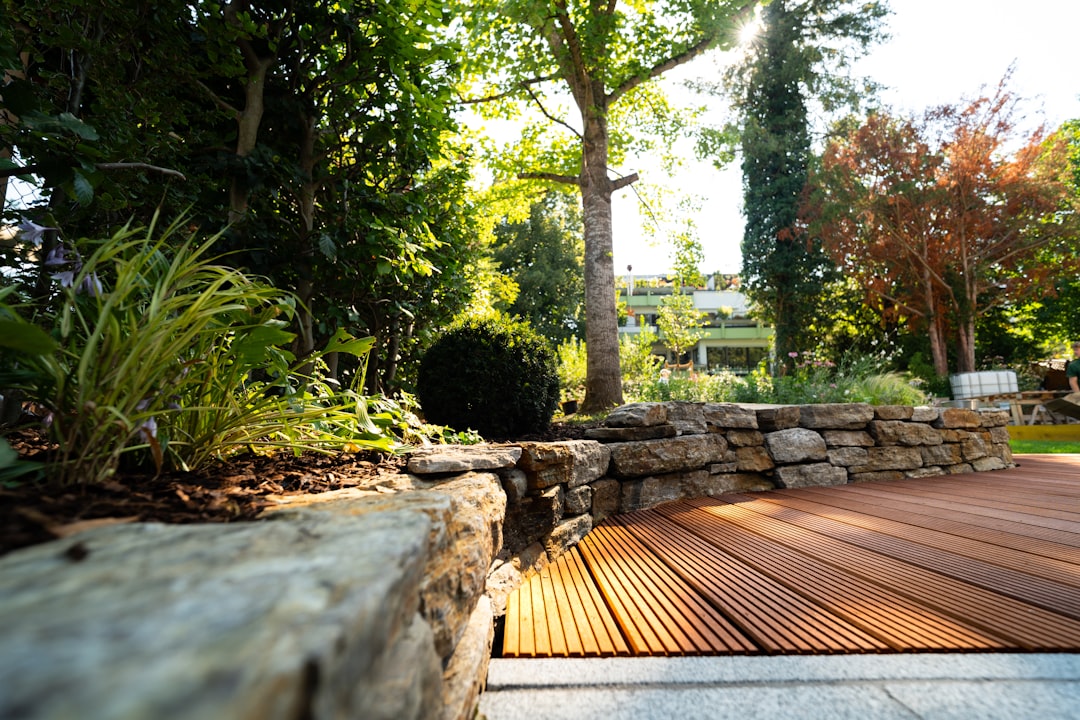
Timber such as balau gives a warm, natural feel and stays relatively cool underfoot. The trade-offs are upkeep — regular oiling to fend off the effects of moisture and sun — and the need for careful detailing so water drains away rather than sitting on the boards. Beautiful, but more hands-on.
Porcelain and stone pavers
Outdoor porcelain and natural stone are durable, resist chemicals well and come in textured, slip-rated finishes. Light tones stay cooler. They are a popular choice for a clean, contemporary poolside, often combined with timber or composite for warmth in seating zones.
Mixing materials
Many of the best pool areas combine surfaces — porcelain or stone on the immediate wet edge for durability and grip, with a composite or timber deck for the lounging and dining zones. Planned together as part of the wider outdoor landscape design, this gives both performance and a resort-like feel.
Slip resistance comes first
No factor matters more around water. Whatever material you pick, choose a textured, slip-resistant finish rated for wet areas. Smooth, polished surfaces are dangerous when wet. Textured composite boards, brushed or flamed stone, and slip-rated porcelain all provide grip. Test a sample wet if you can before committing — it is the single most important check for a poolside surface.
The Singapore angle: heat, drainage and algae
Our climate shapes the decision as much as the material does.
Keeping the surface cool
A poolside deck in full tropical sun can become too hot for bare feet. Lighter colours reflect more heat, and shade structures make a big difference. Pairing the deck with a pergola or shade structure over the lounging area keeps it usable through the hottest part of the day.
Drainage and water management
Splashout and heavy rain mean water needs somewhere to go. Lay the deck with a slight fall away from the pool, include proper drainage channels, and avoid surfaces or layouts that let water pool. Good drainage also limits the standing moisture that algae loves. If the area is prone to ponding, sort the groundwork first with proper drainage works.
Managing algae and mould
Shaded, damp corners around a pool grow green quickly here. Choose surfaces that clean easily, keep them rinsed, and ensure good drainage and airflow. A textured surface needs slightly more cleaning to keep grip, but that is a fair trade for safety.
Safety and finishing details
- Edges and copings: rounded, bullnose pool edges are safer and more comfortable than sharp ones.
- Transitions: keep junctions between surfaces flush to avoid trip hazards.
- Lighting: weatherproof, low-glare lighting for safe evening use.
- Fencing and gates: follow safe practice for pool barriers, especially with children around.
A rough idea of cost
Pool decking costs vary widely with material and detailing. The big drivers are the surface chosen (premium porcelain and capped composite cost more than basic timber), the substructure, drainage works, and any shade structures. As a rough guide, budget more per square metre than for a standard garden deck, because the slip-resistant finishes, drainage and edge detailing around a pool add to the work. Get a measured quote for your specific layout.
Frequently asked questions
What is the best pool decking material for Singapore?
There is no single winner — it depends on your priorities. Capped composite is a great low-maintenance, slip-resistant all-rounder. Outdoor porcelain or stone excels for durability and chemical resistance. Timber gives the warmest feel but needs regular oiling. Many of the best poolsides combine a hard-wearing surface at the water’s edge with composite or timber for the lounging zones.
Which pool decking stays coolest underfoot?
Lighter colours stay coolest because they reflect more sunlight, so pale composite, light porcelain and timber tend to be more comfortable barefoot than dark surfaces. Timber generally feels cooler than dark composite or dark stone in the sun. Adding shade over the deck is the most effective way to keep any surface comfortable.
How do I stop pool decking being slippery?
Choose a textured, slip-resistant finish rated for wet areas — textured composite, brushed or flamed stone, or slip-rated porcelain. Avoid smooth, polished surfaces near the water. Keep the surface clean and free of algae, as a green film makes any material treacherous. Testing a wet sample before buying is the best safeguard.
Does chlorine damage pool decking?
It can, over time, especially with cheaper or unsuitable materials. Quality composite, porcelain and stone resist pool chemicals and salt-water systems well, while untreated or low-grade timber suffers more. Rinsing splashout off the surface and choosing chemical-resistant materials keeps damage to a minimum.
Planning a new pool area or refreshing a tired one? We design and build poolside decks that are safe underfoot, cool in the sun and built for the tropics. See our decking and structures service or contact us to discuss your project.