If your garden bakes from lunchtime until dusk, you already know the problem: the wrong plants scorch, fade and sulk within weeks. Choosing the right west facing garden plants is the difference between a parched strip of struggling greenery and a lush, low-fuss border that looks good in the harshest part of the Singapore day. The west side of a property catches the strongest, lowest, longest afternoon sun, and in our climate that means real heat stress on foliage and roots.
This guide is for homeowners, condo residents and facility managers trying to green up a hot, glaring aspect. We’ll cover which plants genuinely cope, how to set them up to survive, and what to avoid.
Why a west-facing garden is so demanding
It isn’t just brightness. A west-facing bed gets sun when air temperatures are already at their peak, so leaves and soil heat up together with no chance to recover before evening. Reflected glare off walls, paving and glass intensifies this, and in Singapore the humidity does little to soften it. Plants here lose water faster than their roots can replace it.
The result is leaf scorch (crisp brown edges), bleaching of variegated leaves, and shrubs that flower poorly because they’re stressed. The fix is partly plant choice and partly site preparation.
Sun-tough shrubs that thrive in heat
These shrubs handle full afternoon sun once established and give you structure and colour:
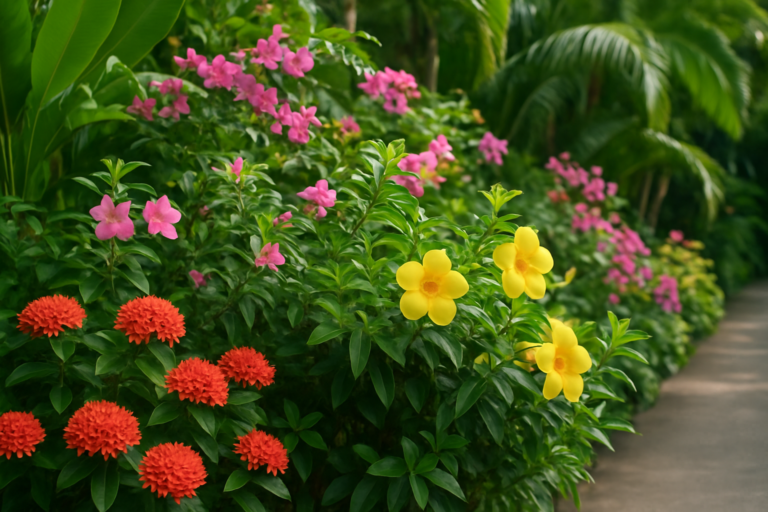
- Bougainvillea — arguably the ultimate hot-garden plant. The more sun, the more bracts. Excellent over walls and pergolas.
- Ixora — compact, hardy, flowers freely in heat. The dwarf forms make tidy low hedges.
- Oleander — very drought-tolerant once settled (keep away from where pets or children might chew it).
- Hibiscus — loves sun and rewards you with large blooms; just keep it watered.
- Allamanda — golden trumpet flowers, thrives in glare and tolerates poor soil.
Groundcovers and grasses for hot, exposed ground
Bare hot soil bakes and cracks, so cover it. Good performers include:
- Wedelia (Singapore daisy) — vigorous yellow-flowering mat for slopes and verges. Contain it; it spreads.
- Sweet potato vine (Ipomoea) — fast lime-green or purple cover that softens edges.
- Ornamental grasses such as fountain grass — movement, texture and real drought tolerance.
- Purslane (Portulaca) — succulent, flowers in blazing sun, ideal for the front of a bed.
Succulents and architectural plants
For a modern, low-water look, frangipani (plumeria), agave, aloe and various cacti revel in a west aspect. They store water, so they ride out the hottest afternoons and a missed watering or two. Group them with gravel mulch for a clean, contemporary feel.
Trees and tall plants for afternoon shade
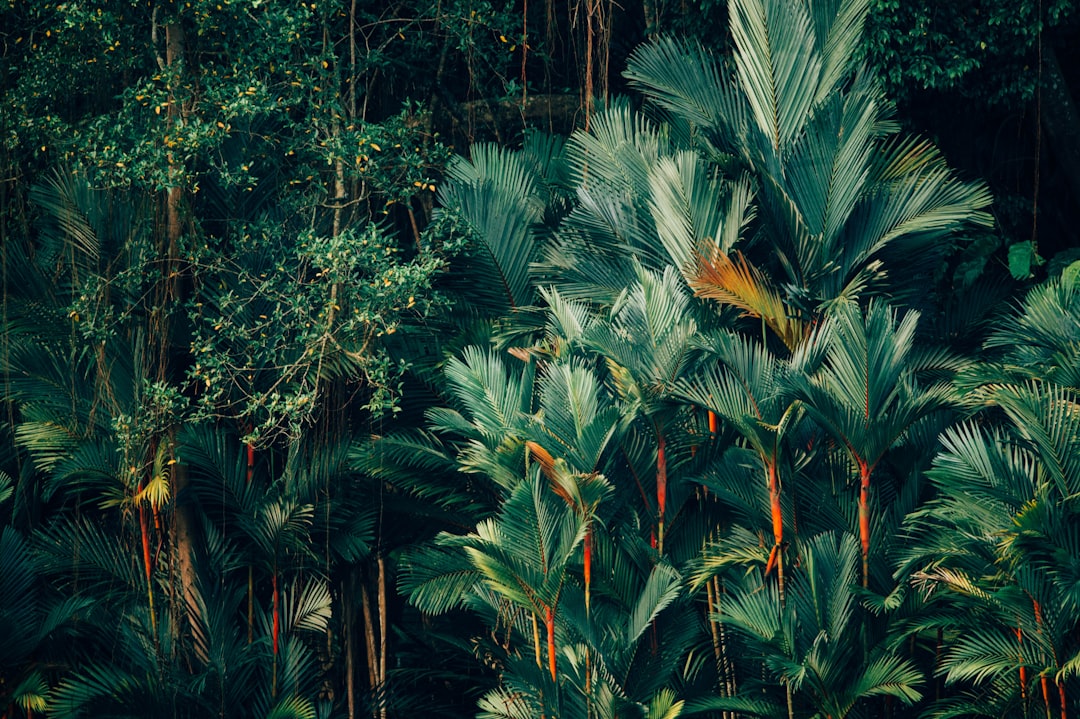
One of the smartest moves is to plant something that creates its own shade for the plants below. Frangipani, golden penda and tabebuia cope with heat and cast useful afternoon shadow. Tall clumping bamboo or a row of palms can screen low western glare and cool a courtyard noticeably. If you’re adding larger specimens, our tree planting and transplanting team can help you choose mature stock that survives transplanting in our climate.
The Singapore angle: heat, glare and afternoon storms
Singapore’s west-facing gardens face a double challenge — intense direct heat by mid-afternoon, then often a sudden tropical downpour. Plants must shrug off both drought stress and brief waterlogging. That’s why drainage matters as much as sun tolerance here: roots cooking in the afternoon and then sitting in water after a storm is a quick route to root rot.
For condo balconies and planters on a western face, the heat radiating off concrete and glass is even fiercer than ground-level gardens. Light-coloured pots, generous pot sizes (small pots overheat) and a layer of mulch make a real difference. For commercial and landed properties, well-built planters with proper drainage and good soil will outperform any plant list. See how thoughtful outdoor landscape design and build can turn a hot, hostile aspect into a usable, attractive space.
How to set a west-facing bed up to succeed
- Improve the soil. Dig in compost so it holds moisture without staying soggy. Sandy fill bakes; enriched soil buffers heat.
- Mulch generously. A 5–7cm layer of bark or gravel keeps roots cooler and cuts watering dramatically.
- Water deeply, less often. Encourage deep roots. Early morning is best so plants are charged before the afternoon heat.
- Establish before testing. Even tough plants need 4–8 weeks of regular watering before they can take full sun stress.
- Consider drip irrigation. Hot beds dry unevenly; a simple drip line keeps things alive when you’re busy or away. Our irrigation services can set this up cleanly.
Plants to avoid on a hot western aspect
Shade and woodland plants will struggle: ferns, calatheas, peace lilies and most fine-leaved variegated foliage tend to scorch and bleach. Thin-leaved tropical understorey plants that look lush in a sheltered courtyard often fry on a west face. If you love these, reserve them for shadier corners or under the canopy of a hardier tree.
Frequently asked questions
What are the best low-maintenance plants for a hot west-facing garden in Singapore?
Bougainvillea, ixora, frangipani, oleander and ornamental grasses are among the most forgiving. They tolerate heat and intermittent watering once established, and they flower or hold their form without fuss. Pair them with a good mulch and they’ll need very little attention.
Why do my west-facing plants keep scorching even when I water them?
Usually it’s a combination of shallow watering and poor soil. Frequent light watering keeps roots near the hot surface, where they’re most vulnerable. Water deeply and less often, add mulch to cool the soil, and make sure the plants are sun-tolerant species rather than shade lovers in the first place.
Can I grow anything green on a hot western balcony?
Yes, but choose succulents, frangipani, bougainvillea and tough grasses, and use larger, light-coloured pots so the rootball doesn’t overheat. Self-watering planters or a small drip line help enormously, because balcony pots dry out far faster than garden beds.
Should I add shade or just pick tougher plants?
Both work, and combining them is ideal. A small shade tree, pergola or screen lets you grow a wider palette underneath, while sun-tough plants form the resilient outer layer. If your space allows a tree, it’s the single best long-term investment for taming a hot aspect.
A west-facing garden doesn’t have to be a problem patch — with the right plants, soil and watering, it can be the most colourful corner of your property. If you’d like a planting plan that suits your aspect, soil and lifestyle, get in touch with our team for tailored advice and a no-obligation quote.