Planting wildlife friendly trees is one of the most rewarding things you can do in a Singapore garden. The right species turn a quiet plot into a living space full of birdsong, fluttering butterflies and busy bees — and they do it while giving you shade and beauty.
This guide covers which trees attract birds and other wildlife in our tropical climate, why they work, and how to plant and care for them. It is written for homeowners and estate managers who want a garden that supports nature, not just looks tidy.
Why plant for wildlife?
A garden that feeds and shelters wildlife is a healthier garden. Birds and predatory insects keep pests in check, pollinators help your flowering and fruiting plants, and a layered, biodiverse space is more resilient than a sterile lawn. In a densely built city, even a small garden becomes a valuable stepping stone for creatures moving between larger green spaces.
The principle is simple: provide food, shelter and water, and wildlife will come. Trees do the heavy lifting because they offer all three at once — nectar, fruit, nesting sites and cover.
Trees that attract birds
Fruiting and nectar-rich trees are bird magnets. A few that perform well in local gardens include:
- Sea apple (Syzygium grande) and other Syzygium species — fluffy flowers draw nectar feeders, and the fruit attracts birds.
- Singapore cherry / kerukup siam (Muntingia calabura) — almost constantly in fruit, beloved by sunbirds, bulbuls and others, though it self-seeds readily.
- Tembusu (Fagraea fragrans) — a hardy native with fragrant flowers and small fruit eaten by birds and bats.
- Figs (Ficus species) — keystone wildlife trees; their fruit feeds a remarkable range of birds, but they grow large and have vigorous roots, so site them carefully.
Choose species sized to your space. A spreading fig is wonderful on a large landed plot but unsuitable beside a building or boundary wall.
Trees and plants for butterflies and bees
Pollinators need both nectar plants for the adults and host plants for caterpillars. Trees and large shrubs that help include:
- Golden penda (Xanthostemon chrysanthus) — masses of yellow flowers that bees and butterflies love.
- Lime and citrus trees — host plants for swallowtail butterfly caterpillars.
- Ixora and pagoda flowers — large flowering shrubs that act as reliable nectar bars.
- Saraca (Asoka) species — clusters of flowers that draw a steady stream of insects.
Tolerate a few chewed leaves; caterpillar damage is the sign a garden is doing its job. A garden with zero insect activity usually means it has been over-sprayed.
Designing a layered wildlife garden
One tree helps, but a layered planting helps far more. Aim for structure at several heights:
- Canopy — your main shade tree for fruit, flowers and nesting cover.
- Understorey — smaller trees and large shrubs that flower and fruit at eye level.
- Shrubs and groundcover — nectar plants and shelter for ground-feeding birds and insects.
- Water — even a shallow dish or small feature gives birds and insects somewhere to drink and bathe.
This mix of outdoor landscape and planting design creates the cover and food sources that keep wildlife visiting all year.
The Singapore angle
Our year-round warmth and rainfall mean something is almost always flowering or fruiting, so a well-chosen garden can support wildlife continuously rather than seasonally. Native species are especially valuable because local birds and insects have evolved alongside them.
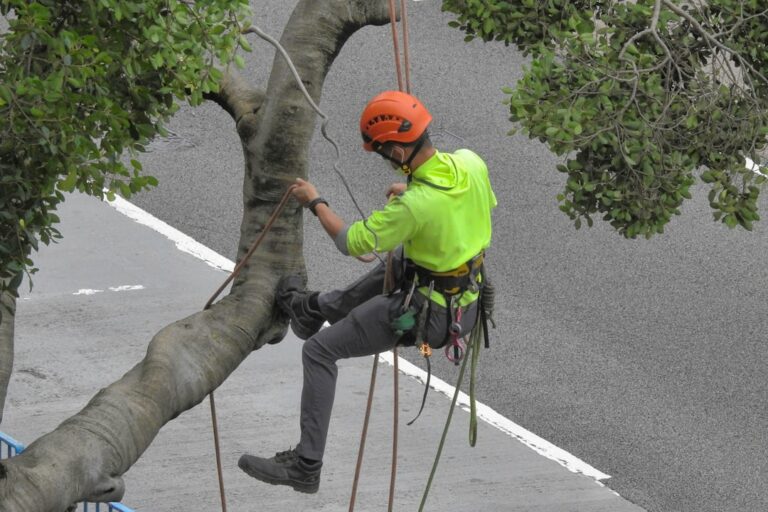
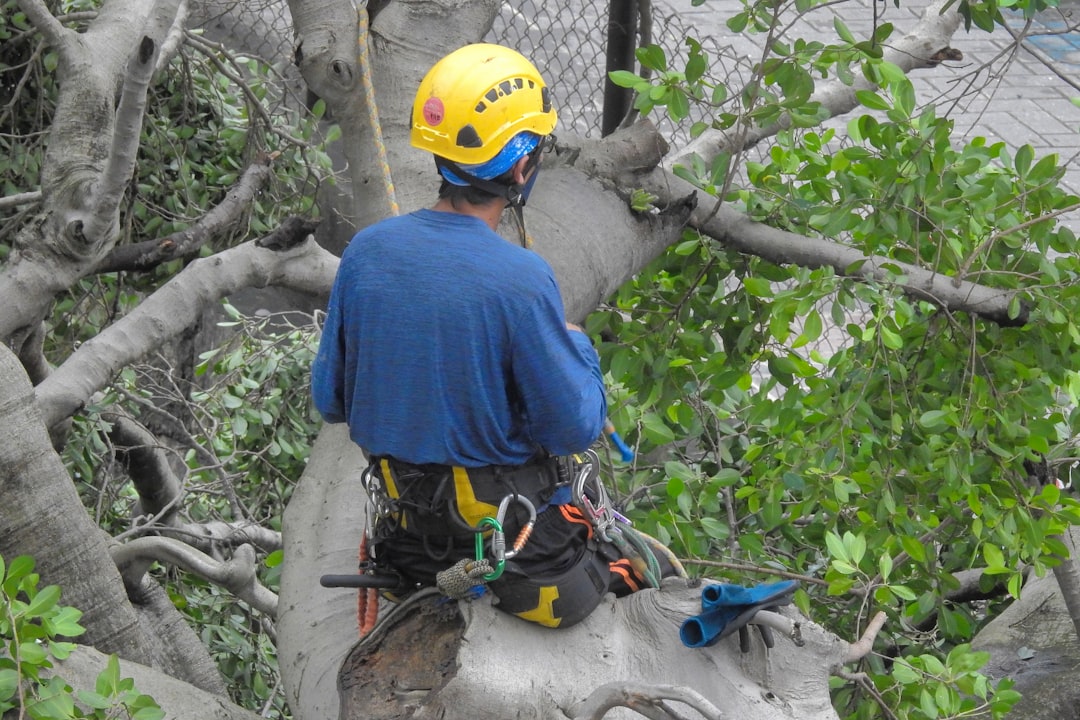
A few local realities to plan for: figs and other large natives have aggressive roots and need space away from structures and drains; some fruiting trees drop messy fruit and self-seed, which can be a nuisance in tight condo grounds. If you are planting in a strata development, check with your MCST or managing agent first, and remember that works on larger trees may fall under NParks oversight, so you may need approval. Thoughtful placement and ongoing tree pruning keep wildlife trees from outgrowing their welcome.
Caring for wildlife trees
The kindest thing you can do for garden wildlife is to garden gently:
- Cut back on chemical sprays. Insecticides kill the very pollinators and pest-controllers you want to attract.
- Leave some mess. Leaf litter and a little deadwood shelter insects and feed the soil.
- Water young trees well until they establish, then let hardy natives largely fend for themselves.
- Prune for structure, not sterility. Keep trees safe and shapely, but avoid stripping out every flower and fruit.
Frequently asked questions
What is the best tree to attract birds in Singapore?
Fruiting trees such as the Singapore cherry and figs are among the most reliable bird magnets because they fruit heavily and often. For nectar feeders like sunbirds, flowering Syzygium species work well. The best choice ultimately depends on the size of your garden, since some of these trees grow very large.
Do wildlife-friendly trees attract pests and mosquitoes?
A healthy wildlife garden actually helps control pests, because birds and predatory insects feed on them. Mosquitoes are linked to standing water, not trees, so the key is to avoid letting water collect in saucers, drains or blocked gutters. A well-designed garden with good drainage and natural predators tends to have fewer pest problems, not more.
Can I plant wildlife trees in a small condo garden or balcony?
Yes, though you should scale down. Instead of a large canopy tree, choose compact flowering shrubs like ixora, host plants such as a potted lime, and nectar-rich plants in planters. Even a small balcony with the right flowering plants and a shallow water dish will draw butterflies and the occasional sunbird.
Are native trees better than ornamental ones for wildlife?
Generally yes. Native species have co-evolved with local birds and insects, so they tend to provide food and habitat that local wildlife recognises and uses. Ornamentals can still help, especially nectar-rich flowering ones, but a garden anchored by natives usually supports a wider range of species.
Want a garden that comes alive with birds and butterflies? Our team can design and plant the right wildlife trees for your space, from selection to long-term care. Explore our tree upgrading and transplanting services or contact us for a quote to get started.