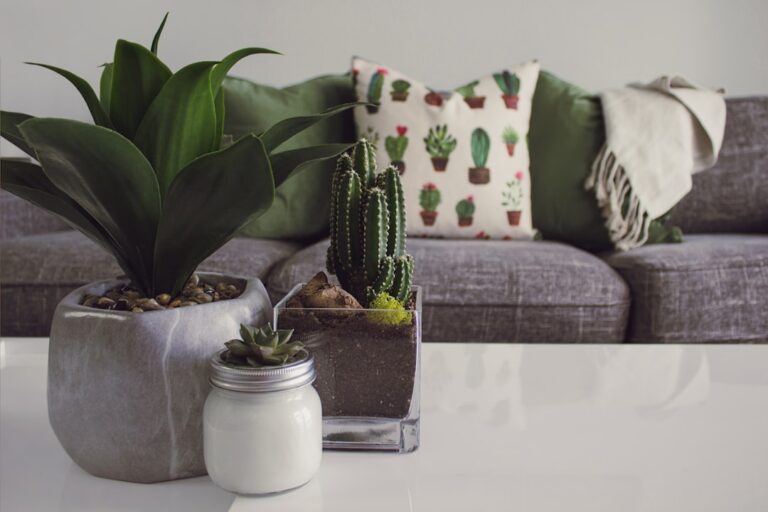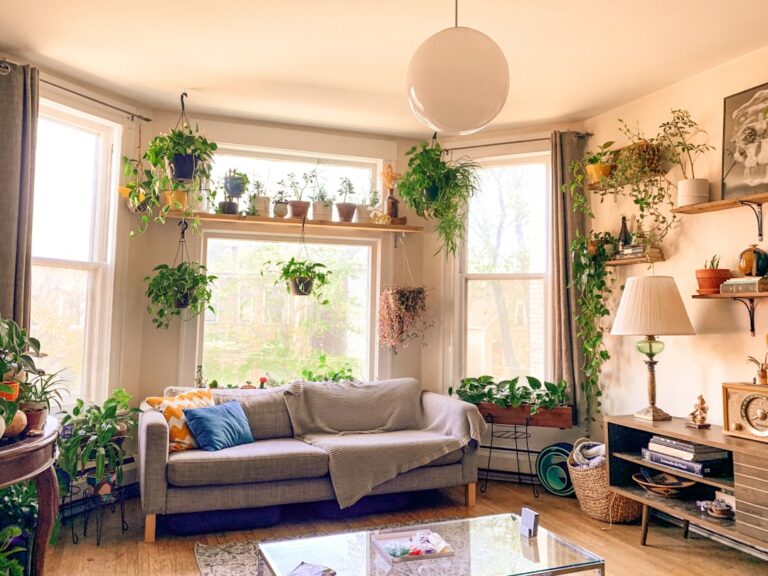

Air purifying plants are a popular pick for Singapore homes and offices, and for good reason — they bring greenery indoors, soften a space, and may help freshen the air. If you spend most of your day in air-conditioned rooms, a few well-chosen plants are an easy, attractive upgrade.
This guide covers the best air purifying plants for Singapore conditions, what they realistically do, and how to place and care for them so they actually thrive. It is written for homeowners, renters and anyone wanting more greenery in an HDB flat, condo or workplace.
How “air purifying” plants actually work
Plants take in carbon dioxide and release oxygen, and their leaves and soil can absorb or break down some airborne compounds. The famous research that put air purifying plants on the map was done in sealed laboratory chambers, so the dramatic results don’t translate directly to an open, ventilated room. In a normal home, you would need a great many plants to match a mechanical purifier.
What plants genuinely offer is more modest but still worthwhile: a touch of added humidity in dry air con rooms, a calming green presence, and a small contribution to the overall feel of the space. Think of them as a pleasant complement to good ventilation — not a replacement for it. With that honest framing, let’s look at the best species.
Best air purifying plants for Singapore
The species below are commonly cited for air-cleaning qualities and, just as importantly, they cope well with our hot, humid climate and air-conditioned interiors.
Toughest and lowest-maintenance
- Snake plant (Sansevieria): famously hardy, tolerates low light and dry air, and is one of the few that release oxygen at night.
- ZZ plant (Zamioculcas): nearly unkillable, happy in low light with infrequent watering.
- Pothos / money plant (Epipremnum): fast-growing, forgiving, and lovely trailing from a shelf.
Attractive and a little more demanding
- Peace lily (Spathiphyllum): tolerates lower light and even flowers indoors; likes consistent moisture.
- Spider plant (Chlorophytum): adaptable, easy to propagate, great in hanging pots.
- Areca palm: adds height and a tropical feel; needs decent light and humidity.
- Boston fern: excellent in humid corners but unforgiving in dry air con — best in a bathroom or near a humidifier.
Note that a few of these — peace lily and pothos especially — are mildly toxic if eaten, so place them out of reach of curious pets and small children.
Where to place them for best effect
Spread plants around the rooms you use most rather than clustering them all in one spot — a couple in the living room, one in the bedroom, a few at the workstation. Bedrooms benefit from species like snake plants that are active at night. Keep all of them out of the direct blast of air con vents, which dries leaves out, and push them towards natural light where you can.
If floor and shelf space is tight, going vertical is an elegant solution. A green wall or vertical garden packs far more foliage into a small footprint and makes a striking feature in a hallway, office reception or stairwell.
Keeping them healthy in our climate
Air-conditioned Singapore rooms are drier and cooler than the tropical conditions most of these plants evolved for, so a little care goes a long way:
- Water by checking the soil, not the calendar. Cool rooms slow water use, so overwatering is the main killer.
- Raise humidity by grouping plants or using a pebble tray.
- Wipe the leaves occasionally — dust on foliage blocks light and undermines the very air-cleaning you wanted.
- Give good light; even “low-light” plants merely tolerate dimness, they don’t love it.
The Singapore angle: greenery indoors all year
One advantage of our climate is that there is no winter dormancy to manage — indoor plants can stay lush year-round with steady care. The flip side is that pervasive air conditioning makes humidity the constant battle. For offices and larger homes, this is why professionally selected and maintained planting tends to look better for longer: species are matched to the room’s real light and air con conditions, and tired plants are swapped before they decline. Our indoor landscaping team designs and maintains exactly this kind of reliable interior greenery.
Frequently asked questions
Do air purifying plants really clean indoor air in Singapore homes?
They help a little, but not dramatically. The well-known lab studies used sealed chambers, so a few plants in a normal ventilated room won’t match an air purifier. They do add humidity, greenery and a calmer atmosphere, which makes them worthwhile alongside good ventilation.
How many plants do I need to make a difference?
To meaningfully shift air quality you’d need a lot — far more than most rooms can hold. A more realistic goal is several plants spread across the rooms you use most, chosen for how well they suit the space rather than for purifying claims alone.
Which air purifying plant is best for the bedroom?
The snake plant is a favourite for bedrooms because it is extremely hardy, copes with low light, and releases oxygen at night unlike most plants. Pothos and ZZ plants are also good, low-fuss choices for a sleeping space.
Are air purifying plants safe around pets?
Some are, some aren’t. Peace lilies and pothos can be mildly toxic if chewed, so keep them out of reach. Spider plants are generally considered pet-friendly. Always check a specific species if you have curious pets at home.
Want greenery that looks good and lasts in your air-conditioned space? We design, supply and maintain indoor planting and green walls for homes and offices across Singapore. Explore our indoor landscaping service or get in touch for tailored recommendations.