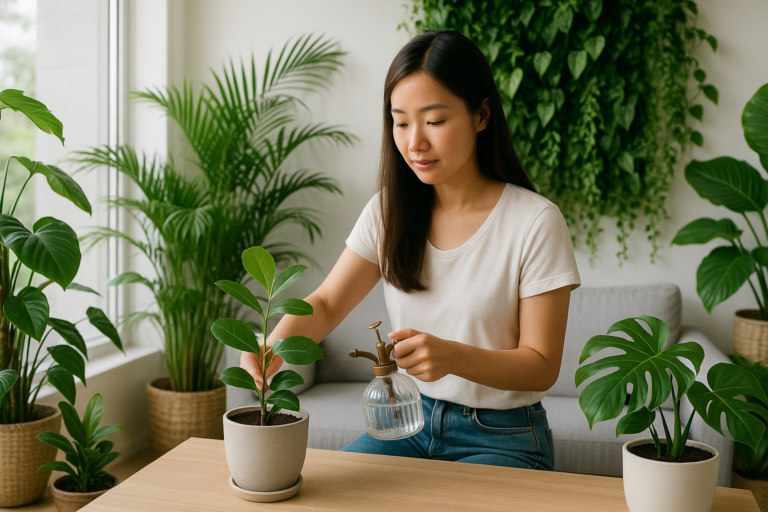

The green wall benefits that make vertical gardens worth the investment go well beyond good looks. A living wall cools the surfaces around it, makes the most of scarce wall space, transforms a dull facade or reception, and brings nature into dense urban settings where ground-level planting is limited. This guide walks through the practical advantages — for homes, offices and buildings in Singapore — alongside an honest look at the costs and care so you can decide whether one is right for you.
Vertical greenery has become a defining feature of Singapore’s built environment for good reason; here’s what it actually delivers.
1. Striking visual impact
The most immediate benefit is aesthetic. A green wall turns a blank, hard surface into a lush panel of living foliage, creating an instant focal point. In a home it brings warmth and life to a feature wall; in a reception or lobby it makes a powerful first impression on visitors; on a facade it lifts an entire building’s appearance. Few design elements deliver this much presence for the space they occupy.
2. Saving precious floor space
In space-conscious Singapore, this is a major practical advantage. A green wall puts greenery where it costs you nothing in floor area — on the wall. For compact condos, tight balconies, small offices and narrow lobbies, that means you can enjoy substantial planting without sacrificing usable space. Where a row of large floor pots would crowd a room, a vertical garden delivers more greenery on a surface that was otherwise empty.
3. Cooling and a softer microclimate
Plants and their growing medium help shade and cool the surface behind them, and the foliage softens the heat radiating off hard walls. Outdoors, a living wall can help reduce the heat absorbed by a facade through the day, which is one reason vertical greenery is used so widely on buildings here; indoors, greenery contributes to a more comfortable, pleasant feel. In our hot climate, anything that tempers heat on built surfaces is a welcome bonus, and it works alongside the visual and space-saving advantages rather than instead of them.
4. A calmer environment — and nature in dense settings
People respond to greenery. A living wall makes interiors feel calmer and more welcoming, softens the hard acoustics of glass-and-concrete spaces, and creates a more pleasant backdrop for living, working or hosting clients. For workplaces and hospitality venues, that atmosphere has real value in how a space is perceived, and many businesses find it makes meeting rooms and receptions feel more considered without any extra floor furniture.
It also solves a distinctly local problem. Where ground-level garden space is limited — as it so often is in Singapore — green walls let you green a property vertically instead of giving up scarce land. This is part of why living walls feature so heavily across the island’s condos, offices and public buildings: they bring nature into high-density developments without needing a footprint on the ground. For a household with no garden, or a building with no spare plot, a wall is sometimes the only realistic way to add substantial greenery at all.
The Singapore angle
Singapore’s climate amplifies many of these benefits. Year-round warmth and humidity keep tropical foliage lush with no dormant season, so a well-maintained wall stays green all year rather than dying back. The national emphasis on greenery in the built environment also means vertical gardens fit naturally into local architecture, from clubhouse walls to commercial facades.
Our conditions do shape the practicalities. Outdoor walls must withstand intense sun and heavy downpours, so they need robust, well-chosen species and proper waterproofing. Indoor walls must suit air-conditioned, lower-light interiors and have carefully managed drainage. And every living wall depends on a reliable irrigation system to survive — in our heat, an unwatered wall fails fast. These are reasons to plan a wall properly with experienced installers rather than treat it as a quick decoration; our green wall and vertical garden service covers both indoor and outdoor systems.
Weighing the costs and care
Green walls are an investment, and it is fair to weigh the trade-offs:
- Upfront cost is higher than potted plants because of the structure, irrigation and installation. As a rough guide, expect the price to scale with the wall’s size, whether it is indoor or outdoor, and the system and plants chosen.
- Ongoing maintenance is required — checking irrigation, trimming, feeding and replacing any plants that struggle. A maintenance plan keeps the wall looking full.
- Irrigation reliability is non-negotiable; the watering system is what keeps the wall alive.
For most owners, the visual impact, space savings and atmosphere justify the outlay — particularly in spaces where the wall is seen daily by residents, staff or visitors.
Are green walls worth it?
For the right space, yes. If you have a prominent wall, limited floor area, and want greenery with genuine presence, a living wall delivers more impact than almost any alternative. If you simply want a few easy plants, pots may be the more sensible choice. The decision comes down to the location, the look you are after, and your appetite for the upkeep — all of which a site assessment can clarify.
Frequently asked questions
What are the main benefits of a green wall?
Striking visual impact, space-saving greenery, a cooler and softer microclimate, a calmer environment, and a way to bring nature into dense urban settings. Together these make living walls popular in homes, offices and buildings.
Do green walls really help with cooling?
They help temper heat on the surfaces they cover, shading the wall behind them and softening radiated heat. Outdoors this can reduce how much heat a facade absorbs; indoors it contributes to a more comfortable feel.
Are green walls worth the cost in Singapore?
For prominent spaces with limited floor area, usually yes. The visual impact, space efficiency and atmosphere often justify the higher upfront cost compared with pots, provided you maintain the wall properly.
Do green walls require a lot of maintenance?
They need regular but manageable care — checking irrigation, trimming, feeding and occasional plant replacement, typically through a maintenance plan. Reliable irrigation is the key to keeping the wall healthy.
Curious whether a living wall suits your space? We design, build and maintain vertical gardens for homes and buildings across Singapore — explore our green wall services or contact us to discuss your wall and get a tailored quote.