
Biophilic design in Singapore has moved from a buzzword to a genuine expectation. Staff want workplaces that feel alive, tenants want lobbies that impress, and employers want spaces that help people focus and feel well. Bringing nature indoors is how all three goals meet. This guide explains what biophilic design really means, the elements that matter most, and how to apply them sensibly in a Singapore office.
It is written for facility managers, office planners and business owners who want practical greenery that performs, not a one-off photoshoot that wilts within months.
What biophilic design actually means
Biophilic design is the practice of connecting people with nature inside the built environment. It rests on the simple idea that humans feel better around natural elements: plants, daylight, natural materials, water and views of greenery. In a workplace, that translates into spaces that feel calmer and more pleasant to spend the day in.
Importantly, it is more than dotting a few pots around. Done well, it weaves nature through a space in layers, so the effect feels intentional rather than decorative.
The core elements to work with
You do not need every element to create a biophilic workplace. Choose the ones that suit your space and budget, and apply them with some commitment.
Living plants
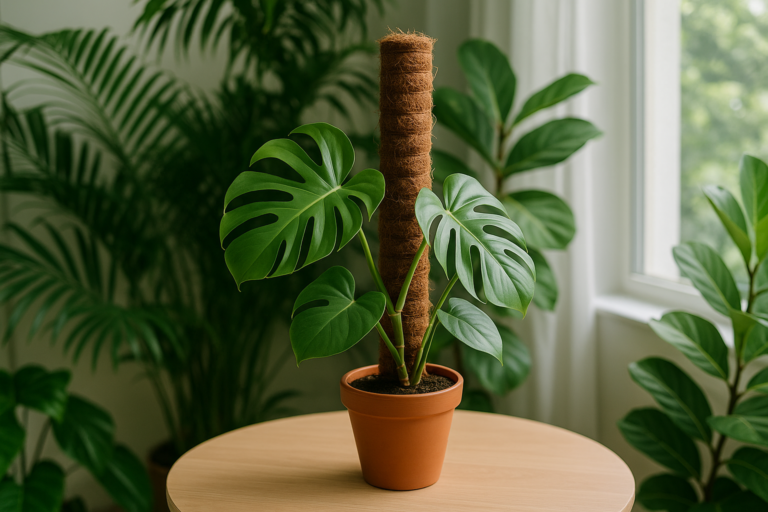
The most direct route. Floor plants, desk plants, planted dividers and trailing greenery on shelves all add life. The key is choosing species that thrive in indoor, often air-conditioned conditions, and committing to maintenance so they stay healthy.
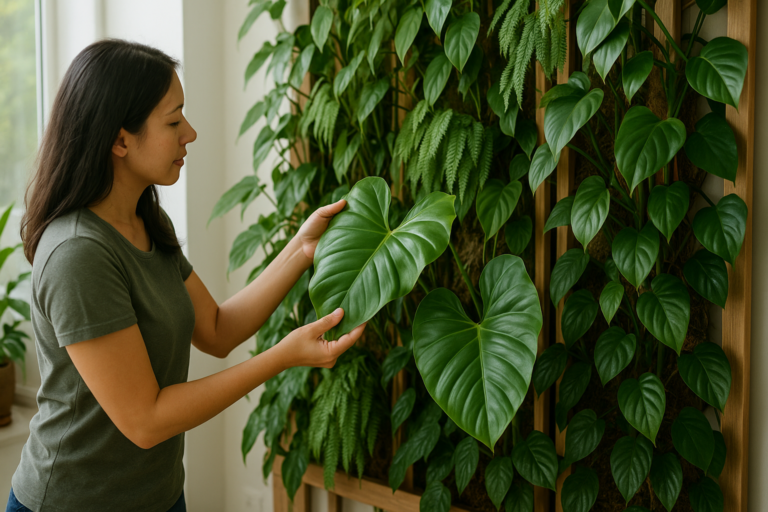
Green walls and vertical greenery
A living wall delivers a large dose of nature without taking up floor space, making it ideal for tight urban offices. As a reception backdrop or a focal point in a breakout area, it has real impact.
Natural light and views
Maximising daylight and arranging desks so people can see outside, or see greenery, is a low-cost, high-impact move. Where daylight is poor, supplementary lighting keeps plants alive and the space feeling bright.
Natural materials and forms
Timber, stone, rattan and organic shapes reinforce the connection to nature even where live plants are limited. They pair naturally with greenery and warm up hard, corporate interiors.
Why workplaces invest in it
Beyond looking good, biophilic interiors are widely associated with calmer, more comfortable environments where people are happy to spend time. For employers competing for talent and for landlords competing for tenants, a greener, more human workplace is a tangible differentiator. It also reflects well on a company’s values around wellbeing and sustainability, which both staff and clients increasingly notice.
Designing for the Singapore workplace
Singapore is a natural home for biophilic design. The City in Nature vision has normalised greenery in commercial buildings, and our warm, humid, stable indoor climate is excellent for tropical foliage. Plants establish quickly and stay lush with the right care.
There are local factors to design around, though:
- Air conditioning. Almost every office runs cool, dry air, so plants must tolerate those conditions. We select species that cope and tune watering accordingly.
- Deep, low-light floor plates. Many offices have areas far from windows, so supplementary plant lighting is often part of the plan.
- Strata and tenancy rules. In MCST-managed and multi-tenant buildings, greenery on common property and any building works usually need management approval and a clear maintenance arrangement.
- Green building goals. Greenery can support a building’s sustainability story, which often helps justify the investment internally.
Plants that perform in offices
Reliable choices for Singapore workplaces include the ZZ plant, snake plant, pothos, philodendron, aglaonema and various ferns for shadier corners, with larger statement plants like the fiddle leaf fig or rubber plant where light allows. For green walls and dividers, dense foliage species create the fullest effect. The guiding rule is to match the plant to the actual light and air conditions of each spot, not to the look you wish the room had.
Maintenance is part of the design
The single biggest reason biophilic schemes disappoint is neglect. Plants are living things, and an office that installs greenery without arranging care ends up with tired, leggy specimens within a year. A regular maintenance service that handles watering, feeding, pruning, pest control and plant replacement is what keeps the space looking the way it did on day one. We treat maintenance as a core part of every indoor landscaping project rather than an afterthought, and the same applies to any green wall we install.
Frequently asked questions
What is biophilic design in simple terms?
It is designing interiors to connect people with nature, using plants, natural light, natural materials and greenery. In a workplace, the aim is a space that feels calmer and more pleasant to work in, rather than a sterile, purely functional office.
Does biophilic design work in air-conditioned offices?
Yes. The key is choosing plants that tolerate cool, dry, air-conditioned conditions and watering them appropriately. Many of Singapore’s most impressive green offices are fully air-conditioned, so it is very achievable with the right plant selection and care.
How much does it cost to green an office?
It varies widely with scale, from a handful of statement plants to full green walls and planted zones, so any figure is only a rough guide. Remember to budget for ongoing maintenance as well as installation, since the upkeep is what protects the look long term.
How do I keep office plants alive when no one tends them?
Choose hardy species and, ideally, arrange a professional maintenance visit on a regular schedule. Relying on busy staff to water plants rarely works, so a proper service contract is the most dependable way to keep greenery healthy.
If you want a workplace that feels alive and stays that way, we can design, install and maintain it for you. Explore our indoor landscaping services, see our project portfolio, or contact us to discuss your office.