
Choosing the right coastal garden plants makes the difference between a seafront garden that thrives and one that constantly looks scorched and battered. Salt spray, drying wind and free-draining sandy soil are tough on most plants — but plenty of species are built for exactly these conditions, and Singapore’s own coastline shows what works.
This guide is for anyone gardening near the sea or in an exposed, windy spot — East Coast and Sentosa homes, high-floor balconies that catch the gusts, and breezy rooftop terraces. You will learn which plants cope best, how to plant them for survival, and how to shelter the more tender choices.
What makes coastal and windy sites hard
Three things make exposed sites a challenge, and good plant choices address all of them:
- Salt — airborne spray near the sea lands on leaves and accumulates in the soil. Salt-sensitive plants brown at the leaf edges and slowly decline.
- Wind — constant breeze dries leaves faster than the roots can replace the moisture, so even a well-watered plant can look parched. Wind also physically tears soft foliage and rocks young plants loose.
- Drainage — sandy coastal soil drains very fast and holds few nutrients, so plants must tolerate lean, quick-drying ground.
Pick species adapted to these stresses and the garden largely looks after itself. Fight the conditions with delicate plants and you will be replacing them constantly.
Tough, salt-tolerant plants that thrive here
Singapore’s natural coastline is full of clues. Many of the most reliable coastal garden plants are species you will recognise from the East Coast Park shoreline and seafront estates.
Shrubs and hedges
- Sea hibiscus and other coastal hibiscus relatives — tough, fast and salt-tolerant.
- Oleander — extremely hardy and salt-resistant, with long flowering, though all parts are toxic so keep it away from children and pets.
- Sea lettuce (Scaevola) — a low, spreading shrub that shrugs off salt and wind, excellent as a groundcover near the sea.
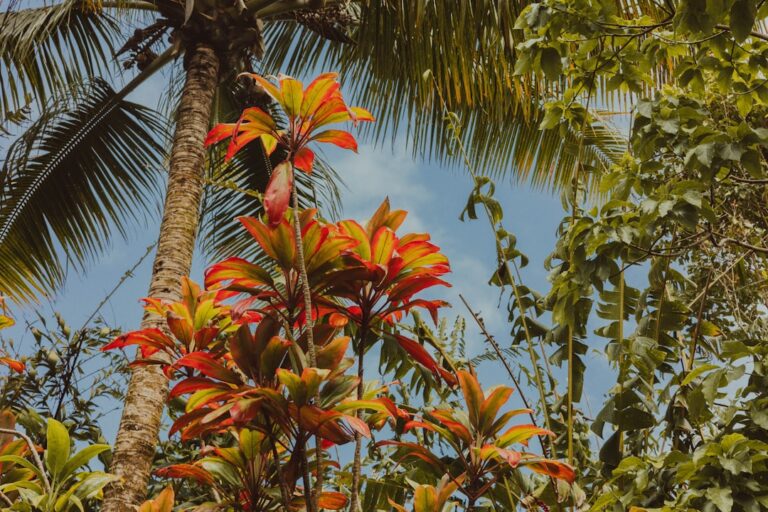
- Cordyline and dracaena — colourful foliage that handles exposure well.
Palms and feature plants
- Coconut and fan palms — the classic salt-tolerant silhouette, ideal where there is room.
- Pandan and screwpine — naturally coastal, structural and very hardy.
- Agave and succulents — perfect for hot, dry, sandy pockets and exposed planters.
Groundcovers and grasses
- Ornamental grasses move beautifully in the wind instead of being damaged by it.
- Spider lily and beach morning glory spread and stabilise sandy ground.
How to plant for survival on exposed sites
The right plant still needs the right start. A few techniques dramatically improve success near the sea or in the wind.
- Improve the soil before planting. Sandy coastal soil is poor — dig in plenty of compost and organic matter so roots have something to hold onto and feed from.
- Plant young and small. Smaller plants establish faster and anchor before the wind can rock them loose. Stake anything tall until rooted.
- Mulch generously. A thick mulch layer holds moisture in fast-draining soil and protects roots from heat.
- Water more at first. New plants on windy sites lose moisture quickly; water consistently until established, then most coastal species become very drought-tolerant.
Creating shelter for tender plants
If you want to grow less hardy plants near the coast, build shelter first. A layered windbreak — tough salt-tolerant shrubs on the outside protecting a more sheltered inner garden — lets you grow a wider range behind it. This is the same principle as a hedge, scaled to the site.
On balconies and rooftops, solid or slatted screens, planters used as barriers, and careful positioning against a sheltered wall all cut the wind. Built-in planter boxes and soft-scaping can double as windbreaks while giving you depth of soil that exposed sites otherwise lack. Permanent timber screens and pergolas also help — these are covered in our timber decking and structures work.
A Singapore angle: salt, monsoon wind and high floors
Singapore’s coastal exposure is gentler than open ocean coastlines, but seafront estates in the east and on the southern islands still get real salt load and steady sea breeze. The monsoon months bring stronger, gustier winds that test tall and top-heavy plants. High-floor condo balconies, even inland, can be surprisingly exposed — the wind at the 30th floor behaves more like a coastal site than a ground-level garden, so the same hardy, wind-tolerant plant list applies.
Because growth is fast year-round here, exposed plants also need regular tidying and feeding to stay dense rather than ragged. Ongoing care keeps a coastal planting looking lush — see our landscape maintenance services for that side of things.
Frequently asked questions
What are the most salt-tolerant plants for a seafront garden?
Sea hibiscus, oleander, Scaevola, pandan, coconut and fan palms, agave and many ornamental grasses all cope well with salt spray and sandy soil. These are the backbone of a reliable coastal planting — start with them, then add more tender plants only where you have created shelter.
How do I stop wind drying out my balcony plants?
Cut the wind first with screens, slatted barriers or a row of tough plants used as a windbreak, then choose wind-hardy species and group plants together so they shelter each other. Use larger pots with plenty of soil to buffer moisture, mulch the surface, and water more often than you would in a sheltered spot.
Can I grow flowering plants near the coast?
Yes — oleander, coastal hibiscus, spider lily and beach morning glory all flower well in salty, windy conditions. For more delicate flowering plants, grow them behind a windbreak of hardy shrubs so they are protected from direct salt spray and gusts.
Why do my coastal plants have brown leaf edges?
Brown, scorched leaf edges usually mean salt damage or wind desiccation. Rinse foliage occasionally with fresh water to wash off salt, improve drainage and soil so roots stay healthy, and if it persists, switch that spot to a more salt-tolerant species.
If you are planning a garden by the sea or taming an exposed, windy site, we can help you choose plants that last and build the shelter and soil they need. See our outdoor landscape services or contact us for a site visit — we work across Singapore, including coastal and high-rise properties.