
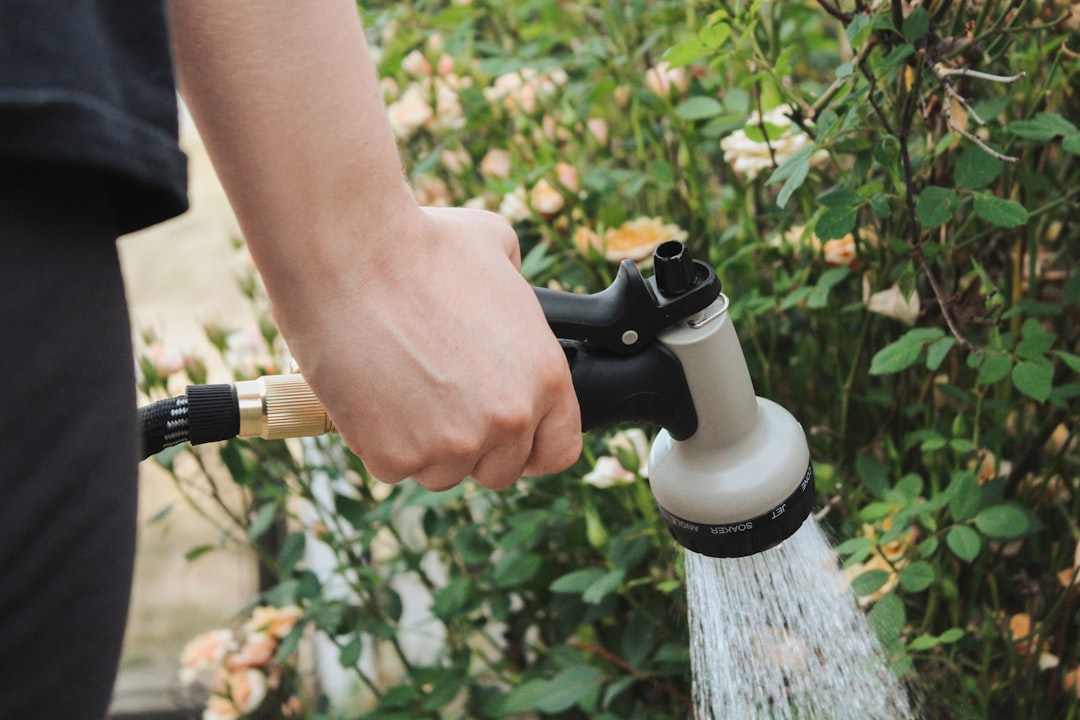
Most irrigation problems start small and quietly: a head that has stopped popping up, a patch of lawn that browns while everything around it stays green, a water bill that creeps up for no obvious reason. Catch these irrigation problems early and the fix is usually quick and cheap. Leave them and you can end up with dead turf, washed-out beds and water running down the driveway every morning.
This guide walks Singapore homeowners and facility managers through the faults we see most often, how to diagnose them, what you can safely sort out yourself, and the point at which it makes sense to bring in a specialist.
How to tell something is wrong
Your garden usually warns you before the system fails outright. Watch for these signs while the controller is running, ideally early morning when you can see the spray clearly.
- Dry or browning patches next to healthy green grass.
- Soggy, boggy areas that never seem to dry out.
- Sprinkler heads that dribble instead of spraying a clean arc.
- Heads that no longer pop up, or that stay up after the cycle ends.
- A sudden jump in water usage with no change in weather.
- Misting or fogging instead of proper droplets.
Clogged or misaligned sprinkler heads
This is by far the most common complaint. Singapore’s soil, leaf litter and fine grit work their way into nozzles and filters, and mowers or foot traffic knock heads off their aim.
What to do
- Unscrew the nozzle, rinse it and clear the small filter screen underneath. A soft brush helps; never force a wire through the orifice.
- Rotate the head so the spray covers the bed or lawn, not the wall, fence or path.
- Trim back grass and groundcover that has grown over a pop-up so it can rise and retract cleanly.
If a head still sprays unevenly after cleaning, the internal seal or gears may be worn and the head is cheaper to replace than to nurse along.
Leaks, breaks and pooling water
A constant wet patch, water bubbling up through the turf, or a head that gushes points to a cracked pipe, a broken fitting or a failed seal. In our climate, roots and shifting soil are frequent culprits, and so is a careless spade during planting works.
What to do
- Run the affected zone and watch where water surfaces.
- Switch off and expose the pipe gently by hand around that point.
- Small cracks in poly pipe can be cut out and joined with the correct coupling; a snapped riser can be swapped for a new one.
If water keeps running even when the controller is off, the problem is usually a valve stuck open, not the pipe. That needs the valve diaphragm cleaned or replaced.
Uneven coverage and low pressure
If the whole zone looks weak, pressure is the usual suspect. Too many heads on one valve, a partly closed isolation valve, a clogged filter or a leak upstream will all starve the line.
- Check that the main isolation valve and any zone valves are fully open.
- Clean the inline filter if your system has one.
- Count the heads on the struggling zone; an overloaded zone may need splitting.
Misting and fogging, by contrast, mean pressure is too high for the nozzles. Pressure-regulated heads or a regulator at the valve solve it and stop wind from blowing your water onto the neighbour’s wall.
Controller and valve faults
When a zone simply will not run, or runs at odd hours, the brain rather than the plumbing is usually at fault.
Common controller issues
- No power or a blank display after a thunderstorm trips the supply. Reset the unit and check the socket and any RCD.
- Wrong start times after a power cut wipes the schedule. Re-enter your program and, on older units, replace the backup battery.
- A dead zone caused by a corroded wire connection or a failed solenoid on the valve. Waterproof connectors and a quick continuity check usually pin it down.
A rain sensor that has stuck “wet” will also stop everything from running, which catches a lot of people out after a stormy week.
The Singapore angle: climate, condos and water that never stops
Singapore’s heat and humidity push plants to drink hard, so a system that limps along still looks fine for a week or two before turf collapses in the next dry spell. Heavy, frequent rain hides leaks because the ground stays damp anyway, and it accelerates the corrosion of fittings and wiring left in standing water.
For condominiums and strata properties, irrigation usually runs across common areas managed by the MCST or its managing agent, so a fault on one zone can affect a whole frontage. It is worth logging recurring problems and agreeing a regular service interval rather than reacting after the planting has already browned. On landed homes, the most frequent self-inflicted faults come from renovation and planting works cutting through lines that nobody mapped. A simple as-built plan saves a lot of digging later.
Because mains pressure and water quality vary across estates, a system that was perfectly balanced when installed can drift over the years. Regular checks keep coverage even and stop quiet waste. Our team covers this as part of ongoing irrigation services and system maintenance, and we often pick up drainage faults that masquerade as irrigation problems during the same visit.
A simple prevention routine
- Walk the garden once a month while a full cycle runs and watch every head.
- Clean nozzles and filters quarterly.
- Adjust run times for the wetter and drier stretches of the year.
- Flush and inspect valves and the controller backup at least once a year.
- Map any new pipework before you bury it.
Healthy planting and good landscape maintenance go hand in hand with a system that actually delivers water where it is needed.
Frequently asked questions
Why is one sprinkler zone not working at all?
A whole dead zone almost always traces back to electrics or the valve, not the pipe. Check the controller is sending a signal to that station, then inspect the solenoid and wire connections at the valve, as corroded joints are common in our damp ground. If the valve clicks but no water comes, the diaphragm may be jammed with grit.
How do I find a hidden irrigation leak?
Run one zone at a time and look for water surfacing, unusually green or boggy patches, or a head that loses pressure. If the meter keeps ticking with everything switched off, you have a leak or a valve stuck open on the pressurised line. Tracing it cleanly usually means exposing the suspect section by hand.
Can I fix irrigation problems myself?
Cleaning nozzles and filters, straightening heads, replacing a broken riser and re-entering a lost schedule are well within reach for most homeowners. Mainline leaks, valve replacement, pressure balancing and rewiring are better left to a professional, both to avoid water damage and to keep the system warranty intact.
How often should an irrigation system be serviced?
For most Singapore gardens, a thorough check once or twice a year keeps things reliable, with quick monthly walk-throughs in between. Larger condominium or commercial systems benefit from a scheduled maintenance contract so faults are caught before planting suffers.
If your system is wasting water or leaving patches to brown, we can diagnose and repair it properly. Get in touch for a no-obligation assessment and we will get your irrigation running the way it should.