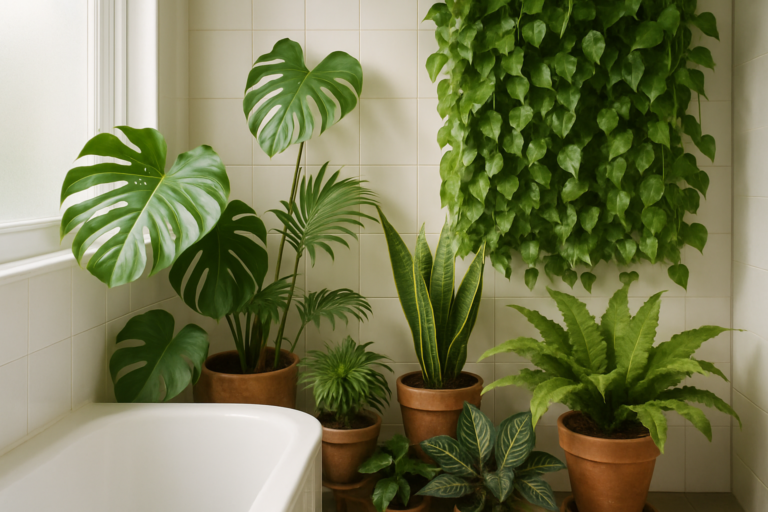

If you have killed a houseplant or three, you are not alone — and the answer is usually the plant, not you. The right easy indoor plants in Singapore are genuinely hard to kill: they forgive missed waterings, tolerate dim corners, and shrug off the air-conditioning that defeats fussier species. This guide rounds up the most reliable, low-fuss plants for our homes, with honest care notes so you know exactly what each one needs (which, happily, is not much).
Pick a couple of these, follow a few simple rules, and you can have green, healthy plants without becoming a full-time gardener.
What makes a plant “hard to kill”
Beginner-friendly plants share a few traits: they tolerate a range of light, they cope with irregular watering, and they are not sensitive to the dry air from air-conditioners. Many also store water in their leaves or roots, so a forgotten week does little harm. Choose plants with these qualities and the odds shift firmly in your favour.
The flip side: even tough plants have one common weakness — overwatering. More houseplants die from too much water than too little, so the golden rule for every plant below is to let the soil dry out before watering again.
The easiest indoor plants to grow
Snake plant (Sansevieria)
The benchmark for low-maintenance. It tolerates low light, bright light and long gaps between waterings. Its upright leaves suit modern interiors, and it is almost impossible to overwater if you let it dry out fully.
ZZ plant (Zamioculcas)
Glossy and architectural, the ZZ plant thrives on neglect. It handles dim rooms and infrequent watering with ease, making it ideal for travellers and busy households.
Pothos (Devil’s ivy)
A trailing vine that grows quickly and forgives almost any mistake. Trail it from a shelf, train it along a wall, or pop a cutting in water — it roots readily and asks for little.
Spider plant
Cheerful, arching leaves and baby “spiderettes” you can pot up to make new plants. It tolerates a range of conditions and bounces back from the occasional drought.
Aglaonema (Chinese evergreen)
Colourful patterned leaves, happy in moderate to low light, and undemanding. A good way to add colour without fuss.
Succulents (in bright spots)
For a sunny windowsill, succulents are about as low-effort as it gets — just water sparingly and never let them sit in soggy soil.
The Singapore angle
Singapore’s climate is mostly kind to indoor plants. Our high ambient humidity suits tropical foliage, and the warmth means there is no cold season to worry about. The main local challenge is air-conditioning, which dries the air and can chill plants placed directly beneath a vent. Keep plants a little away from cold draughts and they will be far happier.
The other local quirk is light. Many flats and condos have deep interiors where natural light fades quickly, so the tolerant species above — particularly the snake plant, ZZ plant and pothos — are the safest bets for typical rooms. For offices, lobbies or larger homes where you want a coordinated look rather than a few stray pots, a planned indoor landscaping scheme keeps everything healthy and styled together.
Five simple rules to keep them alive
- Water less than you think. Check the soil; only water when the top few centimetres are dry.
- Use pots with drainage holes. Standing water rots roots faster than anything else.
- Match the plant to the light. A sun-lover in a dark corner will sulk; a shade plant on a hot sill will scorch.
- Avoid the air-con draught. Cold, dry air stresses most houseplants.
- Dust the leaves. Clean leaves absorb light better and the plant simply looks healthier.
Where to put your plants
Even the toughest plant does better in the right spot, so a little thought about placement saves a lot of trouble. Match each plant to the light it will actually receive: snake plant, ZZ plant and pothos cope happily a few metres from a window or in a steadily lit room, while succulents want a bright sill with real sun. A spot where shadows are crisp has usable light; a corner with faint or no shadows is genuinely dim and suits only the hardiest choices.
Beyond light, a few simple placement tips help:
- Keep plants out of the direct cold blast from air-conditioning vents.
- Group plants with similar needs so you can water and care for them together.
- Trailing plants like pothos look great up high on shelves where they can cascade.
- Turn plants occasionally so they grow evenly rather than leaning towards the light.
Ready for more? Try vertical greenery
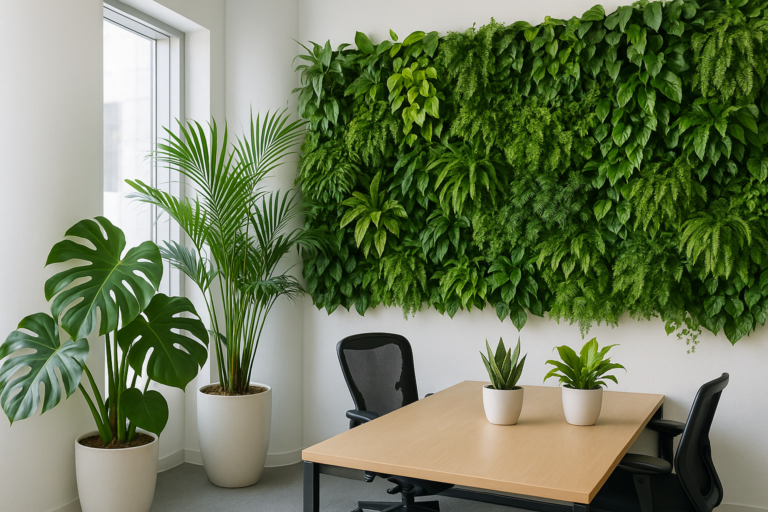
Once you have the basics, you may want more greenery than pots can deliver. Many of these easy species also work beautifully on a living wall, turning a plain interior wall into a lush feature with watering built in. See how an indoor vertical garden is designed and looked after if you want greenery with real presence.
Frequently asked questions
What is the hardest indoor plant to kill in Singapore?
The snake plant and ZZ plant top the list. Both tolerate low light, dry air and long gaps between waterings, so they survive conditions that finish off more delicate plants.
How often should I water easy indoor plants?
Less often than you would expect. For most of these, water only when the top few centimetres of soil feel dry — often every one to two weeks indoors. Overwatering is the main cause of houseplant death.
Will indoor plants survive in an air-conditioned room?
Yes, as long as you keep them out of the direct cold draught from the vent. Air-conditioning dries the air, so check the soil and mist humidity-loving plants occasionally if needed.
Do easy indoor plants need fertiliser?
Only lightly. A diluted feed once every month or two during active growth is plenty. These plants grow slowly indoors and too much fertiliser can do more harm than good.
Want a home or office full of healthy greenery without the worry? We help choose, install and maintain plants that suit your space and lifestyle — explore our indoor landscaping services or get in touch for a personal recommendation.