
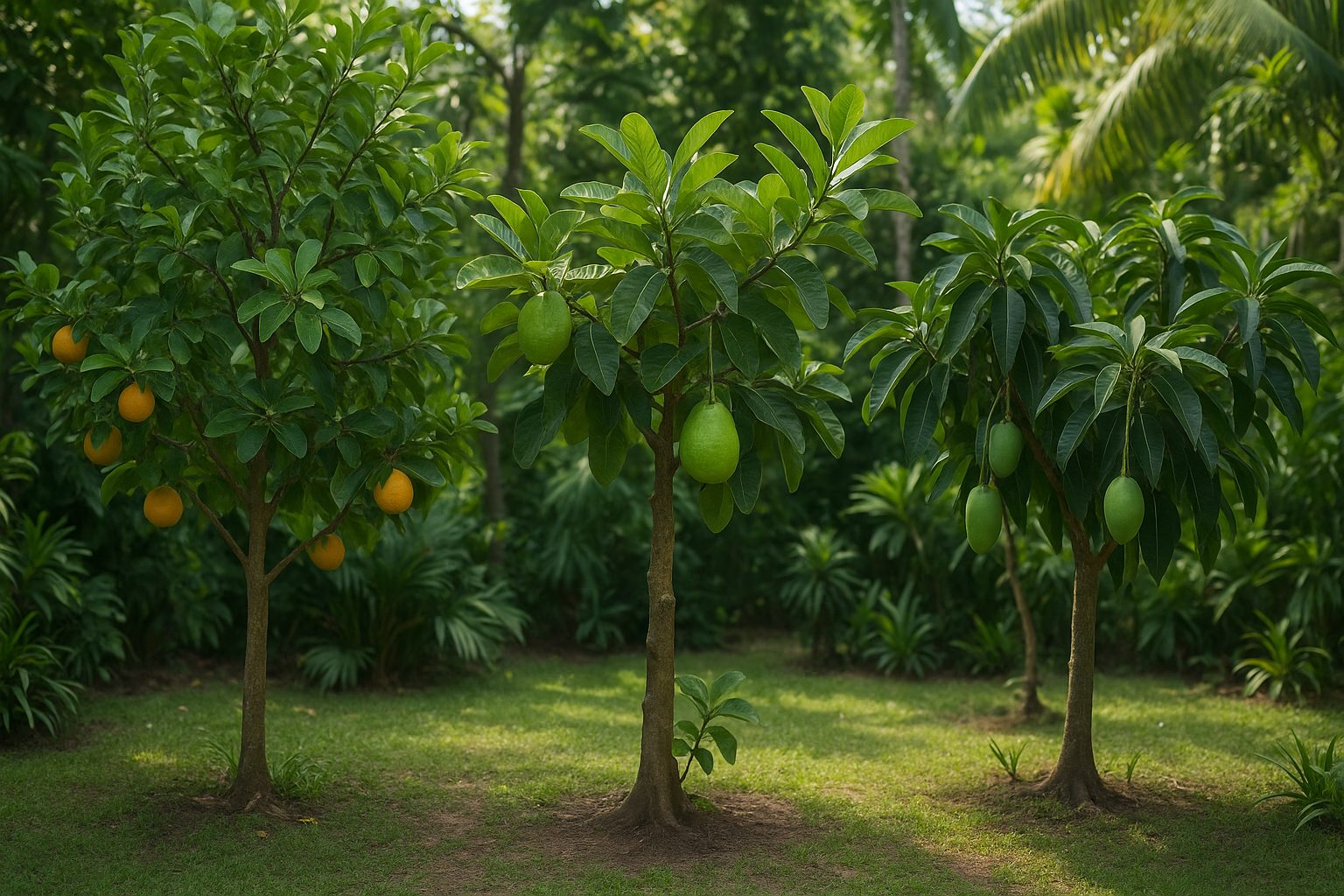
Growing your own fruit is one of the most rewarding things you can do with a garden, and few climates make it easier than ours. If you are weighing up fruit trees in Singapore, the good news is that our hot, humid, year-round growing season suits a long list of tropical favourites — mango, jackfruit, soursop, calamansi and more. The harder part is matching the right tree to your space, your soil and how much room you genuinely have.
This guide walks Singapore homeowners through choosing, planting and caring for fruit trees, whether you have a landed garden, a roof terrace or a generous condo planter. We will cover the varieties that perform well here, what each one needs, and the common mistakes that leave trees leafy but fruitless.
Why fruit trees thrive in Singapore
Our climate does most of the heavy lifting. With consistent warmth, high humidity and heavy tropical rainfall spread across the year, many fruit species grow far faster here than they would in cooler regions. There is no winter dormancy to wait out, so a well-sited tree can put on real size within a few seasons.
That same vigour is a double-edged sword. Trees grow quickly, but so do their roots and canopies, and humidity encourages fungal disease and sap-sucking pests. Drainage matters enormously — most fruit trees hate sitting in waterlogged soil, and our downpours can drown a poorly placed tree. So the climate is generous, but it rewards planning.
Best fruit trees for Singapore gardens
The right choice depends mostly on how much space you have. Below are reliable performers grouped by garden size.
For larger landed gardens
- Mango — a classic for good reason. Needs full sun and room to spread, but a mature tree is generous. Choose grafted varieties for earlier, more reliable fruiting.
- Jackfruit — vigorous and large, producing some of the heaviest fruit in the world. Best at the back of a big garden where falling fruit will not damage paving or cars.
- Rambutan and longan — handsome canopy trees that crop well once established, though they appreciate space and full sun.
For medium gardens and terraces
- Soursop (durian belanda) — a smaller tree with delicious fruit, manageable in a mid-sized garden with some pruning.
- Guava — fast, forgiving and quick to fruit, and it responds well to being kept compact.
- Starfruit (belimbing) — attractive, productive and tolerant of pruning to keep it in bounds.
For pots, balconies and small spaces
- Calamansi — arguably the most useful citrus for a Singapore home, happy in a large pot and almost always carrying fruit.
- Lime and kaffir lime — compact, fragrant and endlessly useful in the kitchen.
- Banana — technically a giant herb rather than a tree, but it crops fast in a sunny corner and suits a large planter.
- Dwarf or grafted mango — newer compact selections can fruit in a big container with the right care.
Choosing the right tree for your space
Before you buy, be honest about scale. The single most common regret we see is a tree that outgrows its spot — a jackfruit planted two metres from the house, or a mango shading the entire lawn within years. Picture the tree at maturity, not at purchase.
Consider these factors:
- Mature size and spread — check both the height and the canopy width, and the eventual root spread near drains, boundary walls and foundations.
- Sunlight — most fruiting trees want six or more hours of direct sun. A shaded courtyard will give you leaves, not fruit.
- Grafted versus seed-grown — grafted trees fruit sooner, stay truer to variety and often stay smaller. Seed-grown trees are cheaper but can take many years and may not fruit reliably.
- Mess and maintenance — large dropping fruit, leaf litter and the pests they attract all need managing, especially over paving, pools or shared boundaries.
Planting and caring for fruit trees
Get the planting right and the tree largely looks after itself. Dig a hole wider than the root ball but no deeper, loosen the surrounding soil so roots can spread, and avoid burying the trunk collar. In heavy or compacted ground, improving drainage first is well worth the effort — raising the planting area slightly helps in spots that flood after rain.
Watering and feeding
Water deeply and regularly while the tree establishes, then ease off as the roots reach down. In Singapore’s rainfall you rarely need to water established in-ground trees, but potted fruit trees dry out fast and need consistent attention. Feed with a balanced fertiliser during active growth; too much nitrogen produces lush leaves at the expense of fruit.
Pruning and shaping
Light, regular pruning keeps trees productive, lets light and air into the canopy, and keeps fruit within reach. It also limits size — important in our climate, where neglected trees grow tall and unwieldy fast. For larger established trees, or anything near boundaries and structures, professional tree pruning keeps growth safe and healthy without stressing the tree.
Common problems and how to manage them
Our humidity invites a predictable cast of troubles. Fruit flies are the bane of mango, guava and starfruit growers — bagging fruit or using traps helps. Mealybugs, scale and aphids cluster on new growth; treat early before sooty mould sets in. Fungal leaf spots and anthracnose appear in wet spells, and good airflow through a well-pruned canopy is your best defence.
If a tree grows vigorously but never fruits, the usual culprits are too much shade, excess nitrogen, or simply immaturity. Patience and the right siting fix most cases. For mature trees, surgery such as crown thinning or, where appropriate, tree upgrading and transplanting can rejuvenate an old specimen or move one that has outgrown its place.
A note on Singapore rules and neighbours
In landed gardens, be mindful of where roots and canopies head. Branches and falling fruit overhanging a neighbour’s property, or roots heading for shared drains and boundary walls, are a common source of disputes. For larger trees, and for any pruning or removal of sizeable specimens, you may need approval — NParks oversees trees and greenery, and condo gardens fall under the MCST or managing agent. When in doubt, check before you cut.
Frequently asked questions
What is the easiest fruit tree to grow in Singapore?
Calamansi is hard to beat for beginners — it is compact, thrives in a pot, tolerates a fair amount of neglect and almost always carries fruit. Guava and banana are also very forgiving and quick to crop, making them good confidence-builders before you tackle something larger like mango.
How long do fruit trees take to bear fruit?
It varies widely. Fast croppers like banana, papaya and guava can fruit within a year or two. Grafted mango, soursop and citrus often fruit within two to four years. Seed-grown trees take much longer and are less predictable, which is why grafted stock is usually the better buy for a home garden.
Can I grow fruit trees in a condo or on a balcony?
Yes, within limits. Citrus, dwarf mango, banana and chilli all do well in large containers given enough sun. Watch the weight and drainage of rooftop and balcony planters, water consistently since pots dry out fast, and check with your MCST about any rules on heavy planters or large plants.
Why does my fruit tree have lots of leaves but no fruit?
The most common reasons are too little sunlight, too much nitrogen fertiliser, or the tree simply being too young. Make sure it gets plenty of direct sun, switch to a fertiliser formulated for fruiting rather than leaf growth, and give it time to mature.
Thinking about adding fruit trees to your garden, or rejuvenating ones you already have? Our team can help you choose the right varieties for your space, plant them properly and keep them healthy and productive for years. Explore our tree upgrading and transplanting service or get in touch for tailored advice and a quote.


