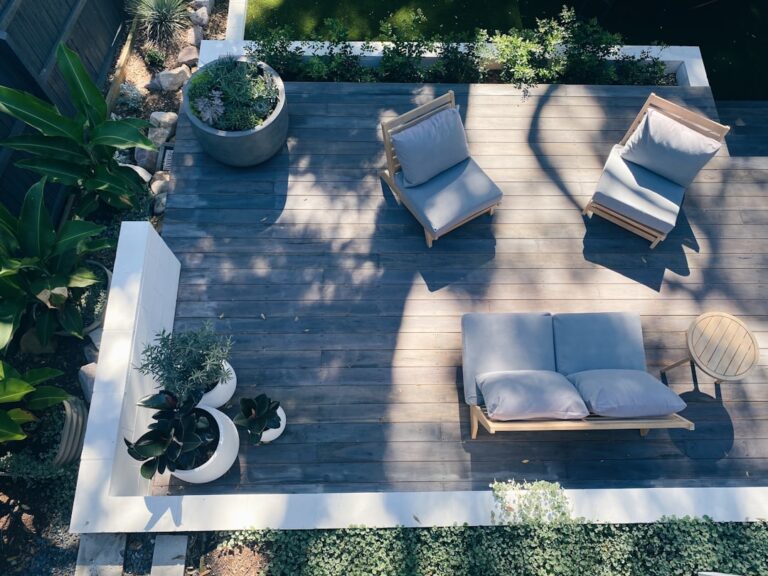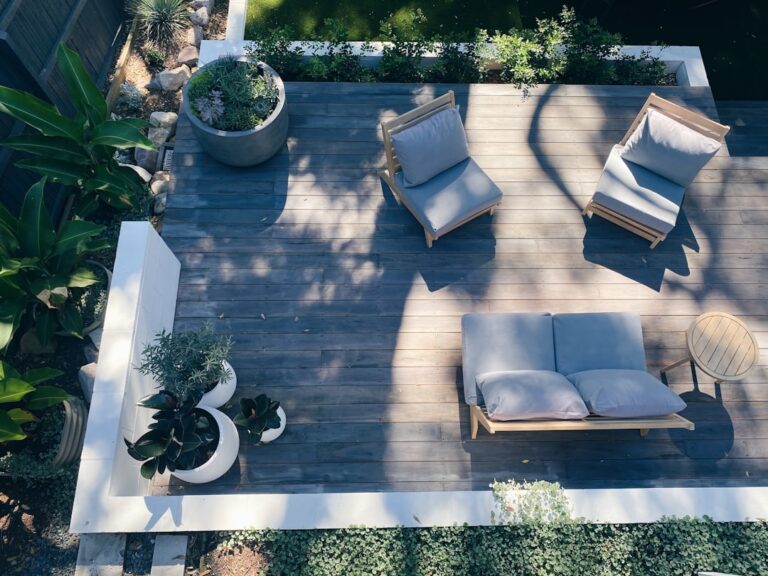

Choosing the right paving slabs in Singapore is about more than looks. The right slab has to cope with relentless sun, sudden downpours and the slippery film of algae that loves our humidity. Get it wrong and you end up with cracked joints, ponding water or a surface that becomes a hazard after rain.
This guide walks homeowners, condo residents and property managers through the practical choices: which materials hold up, what finishes to look for, how thickness and drainage matter, and where the real costs sit. By the end you’ll know how to specify paving that still looks good in five years.
Start with how the area will be used
Before you fall in love with a colour, think about the job the surface has to do. A quiet courtyard path has very different demands from a driveway or a poolside deck that gets foot traffic in bare, wet feet.
- Light foot traffic (garden paths, planting beds): thinner slabs and a wider choice of finishes are fine.
- Patios and dining areas: prioritise a flat, stable surface that won’t rock furniture.
- Pool surrounds and wet zones: slip resistance is non-negotiable.
- Driveways: you need thicker, denser units and a proper sub-base to take vehicle loads.
Comparing the main paving materials
Most garden paving in Singapore falls into a handful of categories. Each has trade-offs in cost, durability and how it behaves in the heat.
Natural stone (granite, sandstone, limestone)
Natural stone gives a premium, characterful finish. Granite is dense and hard-wearing — a strong choice for our climate. Softer stones like sandstone are beautiful but more porous, so they stain and grow algae faster unless sealed and cleaned regularly.
Porcelain pavers
Porcelain has become very popular here for good reason. It is dense, near non-porous, fade-resistant and easy to clean — it shrugs off the moss and water marks that plague more porous stone. Many ranges mimic timber or stone convincingly. The catch is that it must be laid precisely on a sound base, as it is unforgiving of movement.
Concrete and reconstituted slabs
Concrete pavers are the budget-friendly workhorse. Quality varies enormously: cheaper slabs can fade, spall and absorb water. Better-made, sealed concrete units last well and come in many shapes for paths and patios.
Clay pavers
Clay holds its colour for decades and ages gracefully. It is typically used in brick-sized units for paths and edging rather than large-format patios.
Finishes and slip resistance — critical in our climate
Singapore’s combination of rain and humidity means algae and a slick surface film are constant threats. A polished or very smooth slab can become dangerously slippery when wet.
- Textured, riven or flamed finishes give grip and hide minor marks — ideal for wet areas and steps.
- Honed or smooth finishes look sleek but are best kept to covered or low-traffic spots.
- Ask the supplier for the slip rating on wet surfaces, especially around pools and entrances.
Lighter colours reflect heat and stay cooler underfoot — worth remembering for any area used barefoot. Very dark slabs can get uncomfortably hot in direct afternoon sun.
Size, thickness and pattern
Large-format slabs (for example 600mm square and up) create a calm, modern look with fewer joints, but they need a flatter, better-prepared base and more careful handling. Smaller units are more forgiving and suit curved or intricate paths.
Thickness matters for strength. As a rough guide, lighter pedestrian areas can use thinner slabs, while driveways need thicker, denser paving over a deeper, compacted sub-base. When in doubt, go thicker — cracked slabs are far more expensive to fix than to prevent.
Drainage: the step most people skip
This is where Singapore paving projects most often fail. Our downpours can dump a lot of water very quickly, and flat paving with nowhere to drain will pond, breed algae and eventually undermine the slabs.
- Always lay paving to a slight fall — a gentle slope away from the house — so water runs off.
- Direct runoff towards a planting bed, channel drain or existing drainage point.
- For larger paved areas, consider a linear channel drain or permeable joints.
If your garden already suffers from pooling or soggy patches, sort the ground first. Our team often pairs paving with proper garden drainage works so the finished surface stays dry and stable. For the slabs themselves and the base beneath them, this is firmly the territory of civil and hardscape works rather than a weekend DIY job.
Installation: base, bedding and jointing
A paved surface is only as good as what sits under it. A typical build-up is a compacted hardcore sub-base, a bedding layer (mortar or a screeded sand-cement mix depending on the slab), then the slabs laid to fall, with the joints filled afterwards.
- Base: compacted and to the correct fall — skimping here guarantees future movement.
- Bedding: full support under each slab, not just dabs of mortar on the corners.
- Jointing: a flexible, weather-resistant jointing compound resists weeds and washout better than plain sand in our rain.
What paving slabs cost in Singapore
Material price is only part of the picture. The base preparation, drainage, cutting and labour often cost as much as the slabs themselves. As a rough guide, concrete is the most economical, porcelain and granite sit in the mid-to-upper range, and intricate patterns or premium natural stone push costs higher. Always get an itemised quote that includes the sub-base and drainage, not just the slab supply — a cheap quote that ignores the base will cost you more later.
Frequently asked questions
What are the best paving slabs for Singapore’s weather?
Porcelain and dense granite handle our heat, rain and humidity best because they absorb little water and resist algae and fading. Whatever you choose, pick a textured finish for any area that gets wet, and make sure the paving is laid to a fall so water drains away.
How do I stop my paving slabs going slippery and green?
Algae thrives on damp, shaded paving. Choose a textured, slip-resistant finish, ensure good drainage and sunlight where possible, and clean the surface periodically. Avoid harsh acid washes on natural stone; a gentle clean and, for porous stone, a quality sealer go a long way.
Can I lay paving slabs myself?
Small stepping-stone paths are doable for a confident DIYer. Larger patios, anything load-bearing, or surfaces that need precise falls and drainage are best left to a professional — the base preparation is what determines whether the paving lasts, and it is the hardest part to get right.
How long should good paving last?
Quality slabs on a properly built base can last well over a decade with minimal upkeep. The base, drainage and jointing — not the slab brand — usually decide longevity. Poor preparation can have slabs cracking or sinking within a couple of years.
Thinking about a new patio, path or driveway? We can help you choose the right paving slabs for your Singapore garden and build them on a base that lasts. Explore our civil and hardscape works or get in touch for a no-obligation quote.