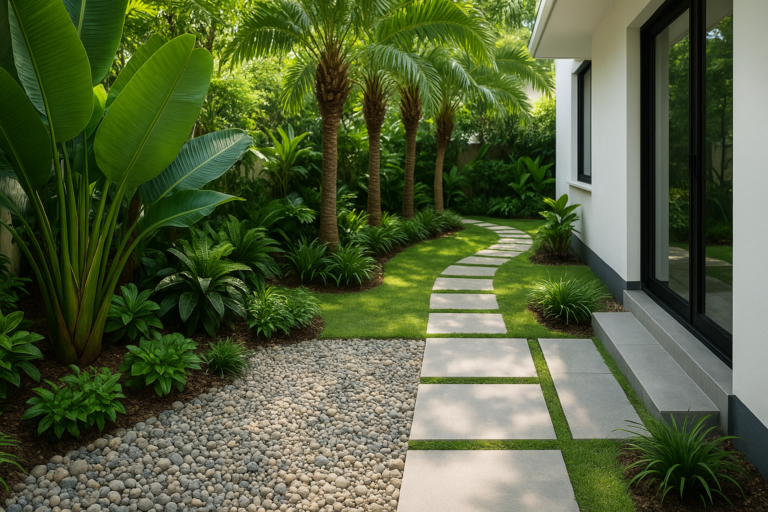

Preparing for landscaping properly is what separates a smooth, satisfying project from a stressful one. A bit of planning before the team arrives, around budget, goals, approvals and access, saves time, money and frustration, and helps you end up with a garden you actually love.
This guide is for homeowners and property managers about to commission landscaping work. We’ll walk through what to sort out beforehand, what to expect during the project, and the Singapore-specific things that catch people out.
Get clear on your goals and budget
Before contacting anyone, think about what you want from the space. Are you after a low-maintenance garden, a place to entertain, more privacy, or a complete transformation? The clearer your priorities, the better a designer can deliver them.
Setting a realistic budget
Decide on a budget range early and share it honestly with your contractor. It isn’t about spending the maximum; it’s about helping the team design within reality so you don’t fall in love with a plan you can’t afford. Leave a contingency for the unexpected, as older sites in particular can throw up surprises.
Gather inspiration and information
- Collect images of gardens, materials and planting styles you like.
- Note what works and doesn’t in your current space.
- List must-haves versus nice-to-haves.
- Find any existing plans or documents for your property.
This makes your first conversation far more productive and helps the team match the design to your taste. Browsing real completed projects is a good way to clarify what you do and don’t want.
Sort out approvals and permissions
This is the step most often overlooked, and it can stall a project. Depending on where you live and what you’re planning, you may need permissions before work starts.
- Condos and strata properties: MCST or managing-agent approval is often required for balcony, terrace or common-area work, and there are usually rules on working hours and access.
- Trees: works affecting certain trees may need NParks consideration; your contractor or arborist can advise.
- Structures and drainage: larger built elements may have their own requirements.
A good contractor will guide you through what’s needed, but starting early avoids delays. For tree-related work, professional tree pruning and assessment helps confirm what’s safe and what may need approval.
Plan access, logistics and timing
Landscaping is physical work. Materials need to come in and waste needs to go out, so think about access routes, parking for vehicles, and where materials can be stored. In condos, this means coordinating with management over service lifts and loading bays. Clearing the area of furniture, pots and clutter beforehand also speeds things up.
Timing around our climate
Singapore’s rain can affect outdoor work, especially groundworks, paving and planting. Some weather delay is normal, so build a little flexibility into your timeline rather than fixing a hard deadline around an event.
Understand the scope before you commit
Make sure you and the contractor agree on exactly what’s included before work begins. A clear, itemised quote and scope prevents disputes later. Confirm what happens with existing plants, who handles waste, and how variations to the work are priced. Knowing the full scope of services involved, from design to drainage to planting, helps you see the whole picture rather than just one part.
A Singapore angle: living through the works
Most landscaping here happens at occupied homes and active properties, so plan for daily life during the project. Expect some noise, dust and disruption, agree on working hours, and protect indoor areas near the work. In strata living, keep neighbours and management informed to avoid complaints. A little courtesy and communication goes a long way to keeping everyone happy while the garden takes shape.
A quick pre-project checklist
- Define your goals and a realistic budget range.
- Gather inspiration and note your must-haves.
- Check what approvals or permissions you’ll need.
- Sort out access, storage and waste logistics.
- Agree a clear, itemised scope and quote.
- Build flexibility into the timeline for weather.
Frequently asked questions
How far in advance should I plan a landscaping project?
Allow several weeks for design, quoting and any approvals before work starts, and more for larger or condo projects where management sign-off is needed. Starting the conversation early means you’re not rushed into decisions or held up by paperwork.
Do I need approval before landscaping my condo unit?
Often yes. Balcony, terrace and common-area works in strata properties usually need MCST or managing-agent approval, and there may be rules on working hours and access. Check with your management early, and choose a contractor experienced with condo requirements.
How do I set a budget for landscaping?
Decide on a comfortable range, share it openly with your contractor so they can design within it, and keep a contingency for surprises. Being honest about budget leads to a better outcome than holding it back, because the design can be tailored to fit.
Will I be able to use my garden during the works?
Usually only partly. Expect some noise, dust and restricted access while work is ongoing. Agreeing working hours, clearing the area beforehand and keeping neighbours informed all help things run smoothly and reduce disruption.
Planning a garden project and not sure where to start? We’ll guide you through every step, from budget and approvals to design and build. Get in touch to begin and we’ll make preparing for landscaping straightforward.