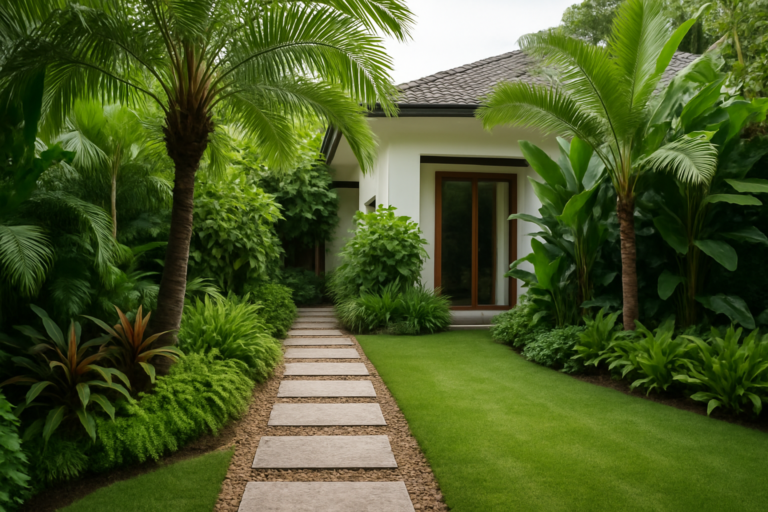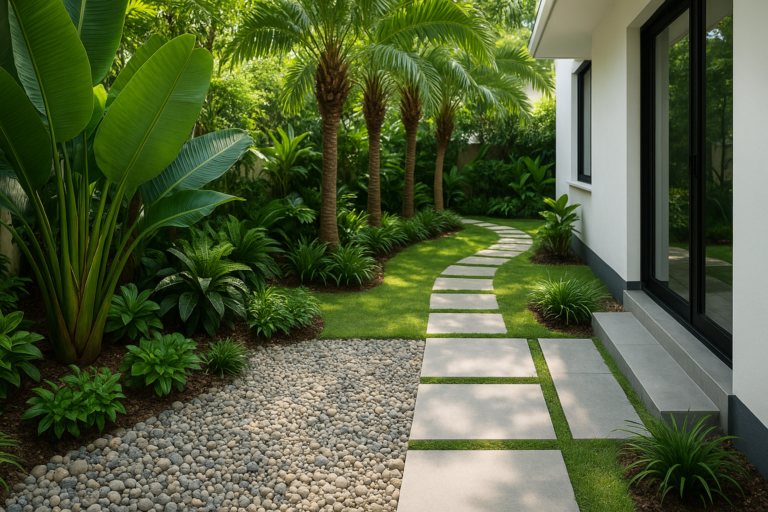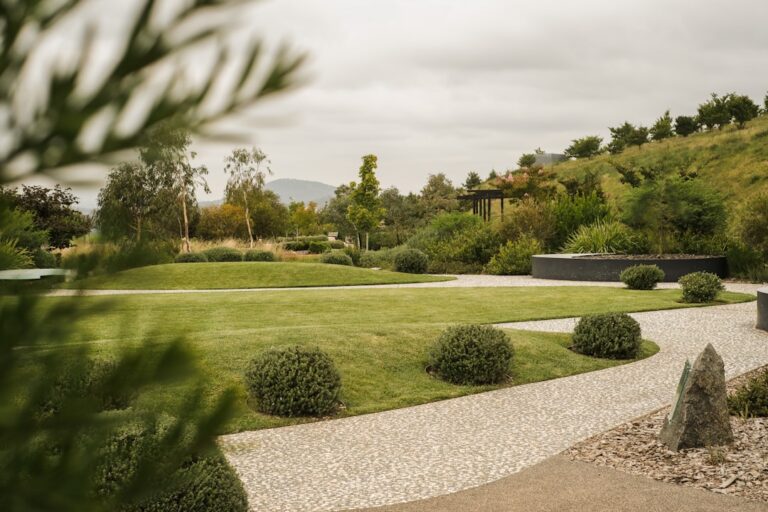
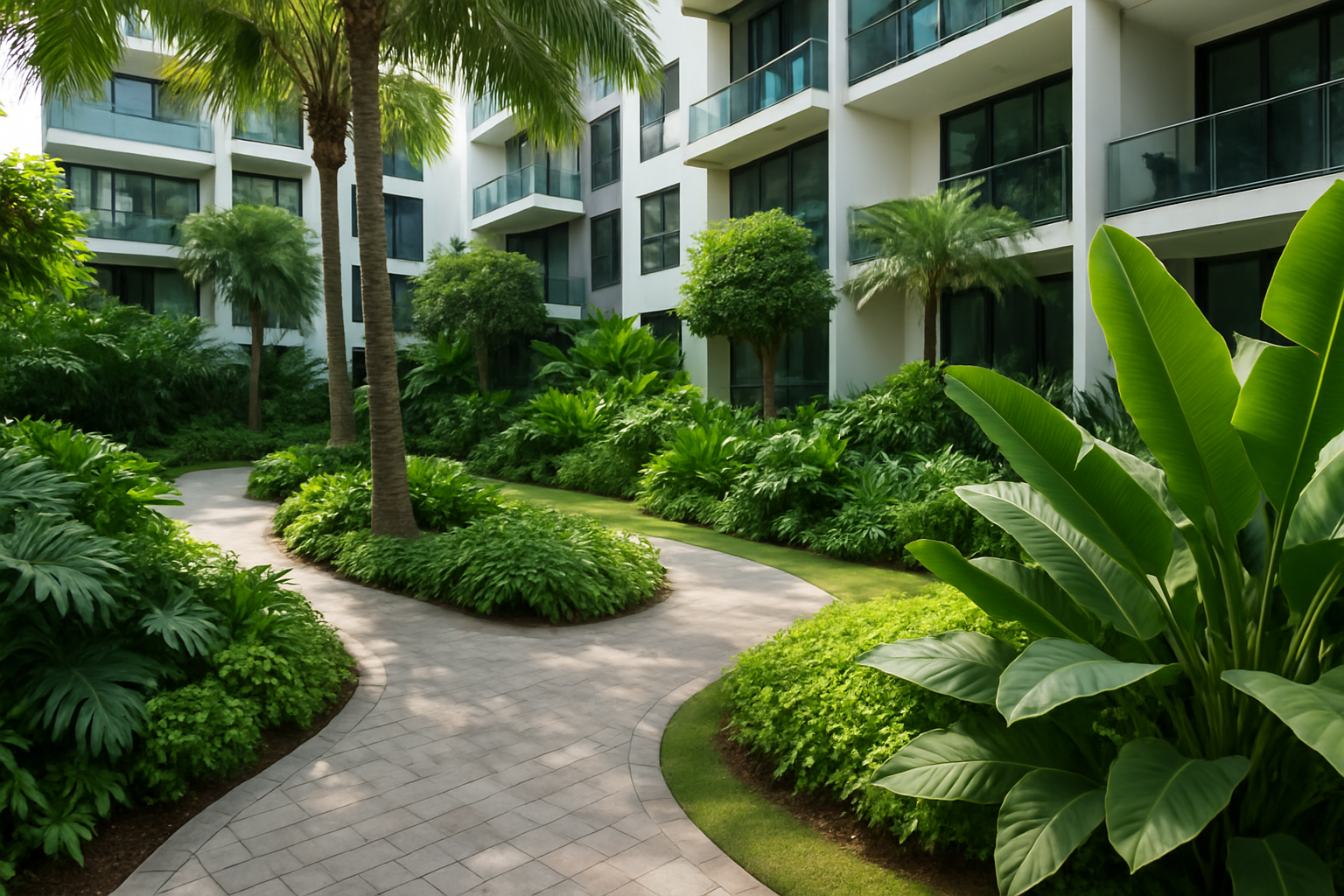
Getting condo landscaping Singapore residents are happy with starts with understanding one thing: you own your unit and your private outdoor space, but the gardens, pool deck and common greenery belong to everyone. New condo owners often want to green their balcony or private enclosed space straight away, and the good news is you usually can — within sensible limits set by the MCST.
This guide is for new condo residents who want to make the most of their outdoor space. We will cover what you can and cannot change, practical ideas for balconies and planters, the rules to check first, and where professional help is worth it.
What you can and cannot change
The first step is knowing the boundaries — literally.
Usually within your control
- Plants in pots and movable planters on your balcony or private terrace.
- Soft furnishings, planters and greenery in a private enclosed space (PES) or private roof terrace.
- Indoor plants throughout your unit.
Usually requires MCST approval
- Anything fixed or built — decking, pergolas, built-in planters, trellises attached to the structure.
- Changes that affect the building’s appearance, waterproofing or drainage.
- Heavy planters or features that add significant load to a balcony or terrace.
When in doubt, assume you need to ask. Approval is often straightforward, but doing work first and seeking forgiveness later rarely ends well in a strata setting.
Balcony landscaping ideas
The balcony is where most residents start, and a little planning goes a long way.
- Layered pots. Combine tall, medium and trailing plants in pots for an instant garden feel.
- Vertical greenery. A freestanding green wall or trellis panel adds lushness without using floor space — see our green wall and vertical garden service for ideas that suit balconies.
- Screening for privacy. Tall potted plants or a planter of clumping bamboo soften views from neighbouring blocks.
- Fragrant and edible accents. Herbs and scented plants make a small space far more enjoyable.
Choose plants that match your balcony’s light — a bright, sunny balcony and a shaded, north-facing one call for very different palettes.
Planters, PES and roof terraces
Residents with a private enclosed space or roof terrace have more scope, but also more to plan.
Movable planter boxes are the workhorse here — they let you create defined garden beds without building anything permanent, which keeps the MCST happy and gives you flexibility. On a roof terrace, weight, drainage and waterproofing become critical considerations: soil and water are heavy, and you must never compromise the membrane below. For anything built-in or load-bearing, get proper advice before you commit; this is one area where DIY can cause expensive damage.
The Singapore angle: climate, MCST and shared greenery
Singapore condos are designed with greenery in mind — many are genuinely lush — but the climate that makes them so green also makes balcony gardening demanding. Strong sun, heavy rain and high humidity mean balcony plants can dry out fast on one side and waterlog on the other. Good drainage in every pot and planter is essential, and you will want to clear saucers after storms so water does not stagnate and breed mosquitoes.
The MCST and managing agent are central to condo life. They maintain the shared landscaping — the lawns, the pool deck, the common gardens — and they set the by-laws that govern what you can do in your own space. If you love the common greenery, that is the professionals’ work; if you want to influence it, that runs through the MCST and residents’ channels, not through your own contractor. For your private space, always check the by-laws and seek approval for anything fixed before you start. A reputable landscaper will be familiar with working within strata rules and can liaise with your managing agent where needed; our full range of services covers both private and commercial strata work.
Where professional help pays off
- Built features. Decking, pergolas and built-in planters need proper construction and MCST sign-off.
- Roof terraces. Weight, drainage and waterproofing are too important to guess at.
- Plant selection and design. Matching plants to your light and getting a coherent look is harder than it seems.
- Ongoing care. Confined container plants are demanding; a maintenance arrangement keeps them thriving.
Frequently asked questions
Do I need MCST approval to put plants on my balcony?
For movable pots and planters, usually not — that is normally considered part of how you use your private space. But anything fixed, structural, heavy, or that affects the building’s look, drainage or waterproofing typically does need approval. Check your condo’s by-laws, and when unsure, ask the managing agent first.
Can I build decking or a pergola on my private terrace?
Often yes, but almost always with MCST approval, and the work must respect waterproofing, drainage and weight limits. This is built construction rather than gardening, so it needs proper planning and a contractor who understands strata requirements. Approach the MCST early in your planning, not after.
What plants work best on a condo balcony?
It depends entirely on your light. Sunny balconies suit flowering plants, herbs and sun-loving foliage; shaded balconies do better with ferns, foliage plants and shade-tolerant greenery. Whatever you choose, prioritise good drainage and pick plants that suit container life in our climate.
Who looks after the shared gardens in my condo?
The MCST, through its managing agent, is responsible for maintaining all common landscaping — lawns, pool decks and shared gardens — usually via a contracted maintenance team. Your responsibility is limited to your own private outdoor space. If you have views on the common greenery, raise them through residents’ channels and the MCST.
New to your condo and want to green your space the right way — within the rules and built to last? Our team can advise on what’s possible, design your balcony or terrace, and handle any approvals and construction. Explore our landscaping services or get in touch for guidance tailored to your unit and your MCST’s requirements.