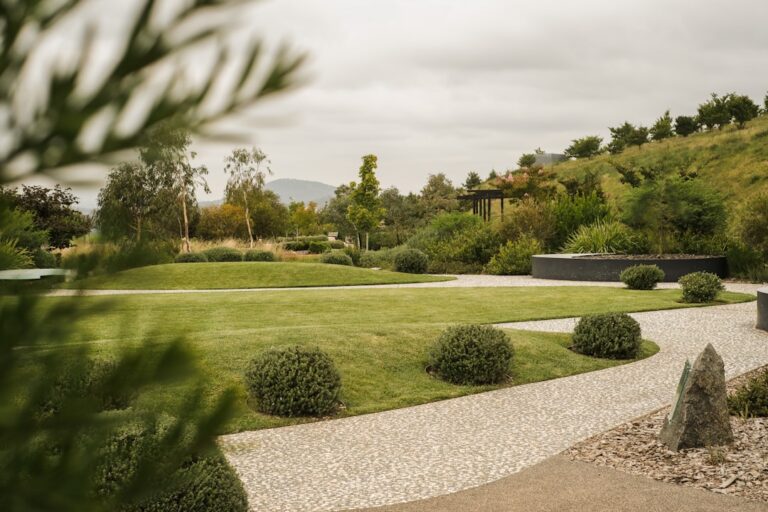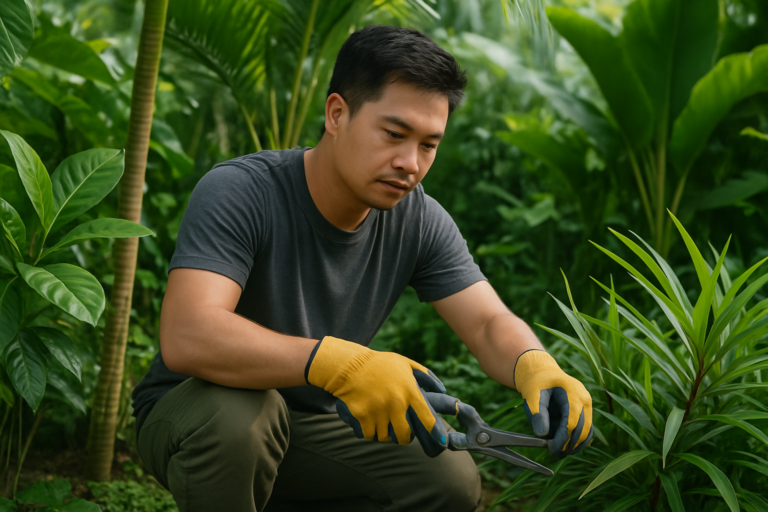

Sustainable landscaping in Singapore is about creating gardens that look beautiful while working with nature rather than against it — using less water, supporting local wildlife, building healthy soil and cutting waste. It is good for the environment and, done well, often good for your wallet and your weekends too, because a sustainable garden tends to need fewer inputs and less constant intervention. This guide covers practical, achievable ways to make your garden greener, suited to our tropical climate.
Whether you manage a condominium, a commercial site or a landed home, these practices help you garden more responsibly without sacrificing how good it looks.
What does sustainable landscaping mean?
At its heart, sustainable landscaping reduces the resources a garden consumes and the harm it causes, while increasing the benefits it provides. That means conserving water, choosing the right plants, building living soil, reducing chemical use, managing waste and supporting biodiversity. None of it requires sacrificing beauty — in fact, a thoughtfully sustainable garden is often more resilient and lower-maintenance than a high-input one.
In Singapore, where greenery is part of the national identity, sustainable practices fit naturally with the way the city is moving.
Water-wise design and irrigation
Water is one of the biggest resources a garden uses. To use it wisely:
- Choose drought-tolerant and well-adapted plants that need less watering once established.
- Group plants by water need so you do not overwater the tough ones.
- Use efficient irrigation — drip systems deliver water to roots with little waste compared to overhead spraying.
- Mulch beds to lock in moisture and cut watering frequency.
- Capture rainwater where practical to reduce reliance on mains water.
An efficient, well-maintained watering system is a cornerstone of sustainability — our irrigation services can design and install systems that minimise waste while keeping planting healthy.
Right plant, right place
Native and well-adapted species
Plants suited to our climate need less water, less feeding and less intervention than fussy exotics. Native and tropical-adapted species also support local birds, butterflies and pollinators, boosting biodiversity.
Diversity over monoculture
A varied planting scheme is more resilient to pests and disease than a single species planted en masse, reducing the need for chemical treatments.
Plant for the conditions
Matching plants to the sun, shade and soil they actually have means they thrive with less help — the simplest sustainability win there is.
Healthy soil and reduced chemicals
Living, healthy soil is the foundation of a sustainable garden. To build it:
- Compost garden and kitchen waste to recycle nutrients and reduce what goes to disposal.
- Mulch beds with organic matter that breaks down and feeds the soil.
- Use fertilisers thoughtfully — feed based on need rather than habit, favouring slow-release and organic options.
- Manage pests with care — encourage natural predators and treat problems precisely rather than blanket-spraying.
Healthy soil holds water better, grows stronger plants and reduces the need for chemical inputs — a virtuous circle.
The Singapore angle: climate, greenery and waste
Our climate is both a help and a challenge for sustainability. The constant warmth and rain mean plants grow vigorously with little encouragement, and rainwater is abundant to capture — but that same fast growth generates a lot of green waste, and heavy rain can wash away soil and nutrients if beds are not well managed. Composting green waste on site and mulching to protect soil tackle both issues at once.
Vertical and rooftop greenery also fit Singapore’s dense, built-up environment beautifully, adding plants where there is no ground to spare and helping cool buildings. A green wall or vertical garden brings biodiversity and cooling to walls and façades. Across the board, sustainable practices fold naturally into ongoing care, so a thoughtful landscape maintenance routine — sensible watering, composting, careful feeding and pest management — is where much of the difference is made day to day.
Greener maintenance habits
Sustainability is not only about design — how a garden is maintained matters just as much:
- Water deeply and less often to encourage strong roots and reduce overall use.
- Compost clippings and prunings rather than sending them away.
- Mow and trim sensibly — leaving lawns slightly longer helps them cope with heat and weeds.
- Choose efficient equipment and reduce unnecessary chemical use.
- Maintain proactively so small problems are solved before they need drastic, resource-heavy fixes.
Small, consistent habits add up to a garden that is genuinely lighter on resources over its lifetime.
Frequently asked questions
Is sustainable landscaping more expensive?
It can cost a little more to set up well — for example, efficient irrigation or improved soil — but it usually saves money over time through lower water use, less fertiliser and chemicals, and reduced replacement of failed plants. A well-designed sustainable garden is often cheaper to run than a high-input one.
What is the easiest sustainable change I can make?
Mulching beds and choosing plants suited to their position are two of the simplest, highest-impact changes. Mulch cuts watering and feeds the soil, while well-matched plants thrive with far less intervention. Composting your green waste is another easy, rewarding step.
Do sustainable gardens support wildlife?
Yes — choosing native and well-adapted plants, planting a diverse mix and reducing chemical use all encourage birds, butterflies and pollinators. Vertical and rooftop greenery add habitat even in dense, built-up areas, helping support biodiversity across the city.
Can a sustainable garden still look polished?
Absolutely. Sustainability is about how a garden is designed and maintained, not how it looks. A well-planned eco-friendly garden can be every bit as beautiful and tidy as a conventional one — often more resilient too, because the planting is suited to the conditions.
Want a garden that is beautiful, resilient and lighter on resources? We design and maintain sustainable landscapes for homes, condominiums and commercial sites across Singapore. Explore our services or get in touch for a quote and we will help you garden more sustainably.