A Japanese garden in Singapore is less about copying Kyoto and more about borrowing its principles — calm, restraint, and a sense of nature in miniature. Done thoughtfully, a Japanese garden in Singapore can turn a small courtyard, side strip or condo balcony into a quiet retreat from the city, using plants and materials that actually suit our climate.
This guide is for homeowners who love the serenity of Zen design and want to adapt it for Singapore. You will learn the core principles, how to choose plants that thrive in our heat and humidity, and the practical details that keep the look authentic without the high-maintenance headaches.
The principles behind a Japanese garden
What makes a Japanese garden feel different is not a checklist of features but a way of thinking. A few principles do most of the work.
- Restraint. Fewer elements, carefully placed, with generous empty space. The gaps are part of the design.
- Asymmetry. Natural, off-centre arrangements rather than formal symmetry.
- Borrowed scenery. Framing a view beyond the garden, or screening out what you do not want to see.
- Miniaturisation. Suggesting mountains with rocks, rivers with raked gravel, forests with a single well-shaped shrub.
- Layered greens. A palette built on foliage, texture and form rather than bright flowers.
Key elements to include
Rocks and gravel
Stone is the backbone of a Zen garden. A carefully positioned grouping of rocks can read as islands or mountains, while raked gravel suggests rippling water in a dry garden (karesansui). Choose natural, weathered stone and bury it partly so it looks settled rather than dropped on the surface.
Water
If you want movement and sound, a simple stone basin (tsukubai) with a slow trickle, or a small still pond, brings the garden to life. Keep it understated — a gentle drip suits the mood far better than a dramatic fountain. Our outdoor landscape and construction team can build water features that fit the scale and calm of a Japanese design.
Paths and stepping stones
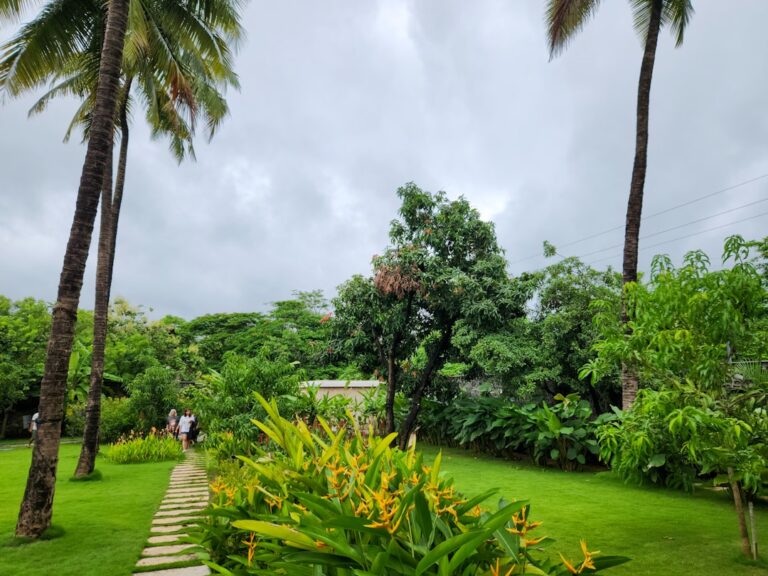
Irregular stepping stones slow your pace and guide you through the garden deliberately. The slight effort of placing each step is intentional — it makes you present.
Structures and screens
Timber screens, a simple bamboo fence, a lantern or a small bench give the garden focal points and a sense of enclosure. Slatted timber screens also work beautifully for privacy without feeling heavy.
Plants that work in Singapore’s climate
This is where authenticity meets reality. Many classic Japanese plants — maples, moss, azaleas as grown in Japan — struggle in our heat and humidity. The smart approach is to recreate the feel using plants that thrive here.
Tropical substitutes for the Zen look
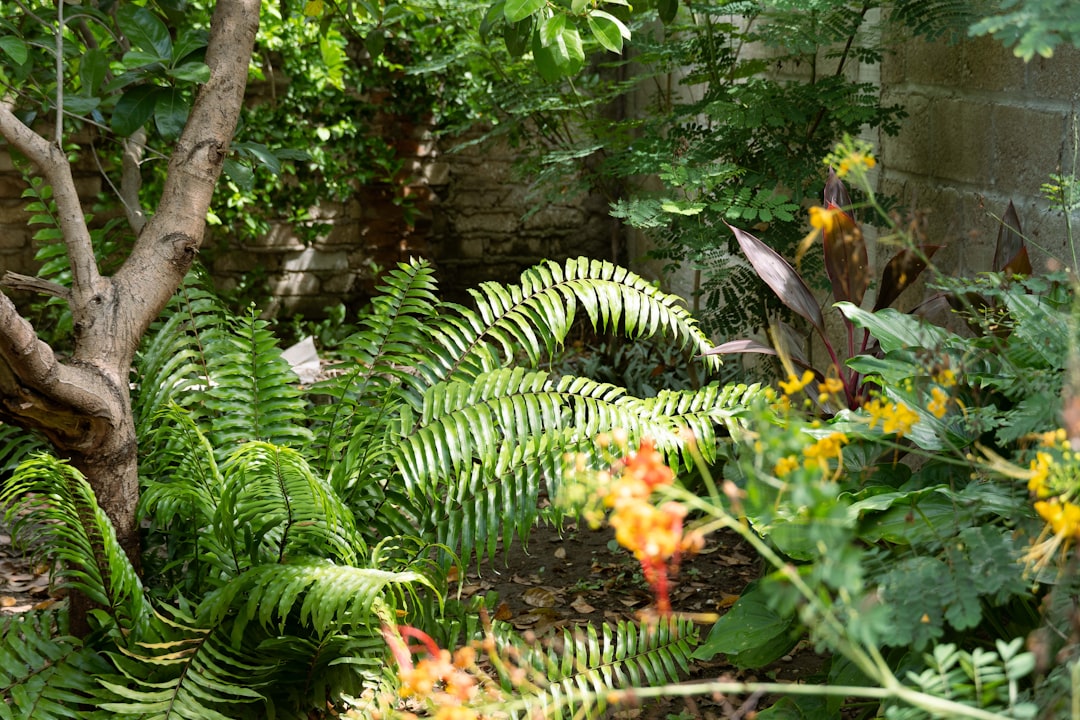
- Ferns and foliage for soft, layered greenery in shade.
- Bamboo (clumping types) for vertical movement and gentle sound — choose non-invasive varieties.
- Mondo grass and other fine grasses as a moss-like ground texture that tolerates our climate.
- Sculptural shrubs that respond well to cloud pruning, giving that characteristic shaped form.
- Mosses and low ground covers in genuinely shaded, damp corners where they can survive.
The discipline is to use a restrained palette and let shape and texture, not colour, carry the design.
The Singapore angle: climate, space and upkeep
Our climate cuts both ways for a Japanese garden. The good news is that greenery establishes fast and stays lush year-round. The challenge is that the same heat and rain drive rapid growth, so the clean, restrained lines that define this style need regular, skilled pruning to hold their shape — left alone, a Zen garden quickly looks overgrown.
Drainage matters too. Gravel gardens and stone basins need water to move away properly during our downpours, or you end up with standing water and algae. For condo residents, balcony and courtyard versions work well, but check with your MCST before any fixed structures. Many homeowners find a small, well-built Japanese-style courtyard far easier to keep beautiful than a sprawling lawn. Where the design calls for hard surfaces, paths and basins, our civil and hardscape works team handles the groundwork that keeps everything level and well drained.
Keeping it low-fuss
The myth is that Zen gardens are zero-maintenance. In truth, the minimalist look depends on tidy upkeep: raking gravel, clearing fallen leaves, trimming shrubs to shape, and keeping moss and ground covers healthy. The upside is that a well-designed Japanese garden, with the right plants and good drainage, is genuinely less work than a high-input flower garden or a thirsty lawn. A maintenance routine — or a regular gardener — keeps the calm intact.
Frequently asked questions
Can you grow Japanese maples in Singapore?
Generally no — Japanese maples need a cool, temperate climate and cold winters to thrive, and they struggle in our constant heat and humidity. The better approach is to capture the same delicate, layered feel using tropical plants such as ferns, fine grasses and well-shaped shrubs that suit Singapore’s conditions.
Are Japanese gardens low-maintenance?
Lower than a flower-heavy garden, but not no-maintenance. The minimalist, ordered look relies on regular raking, leaf clearing and precise pruning to keep its shape, especially given how fast plants grow here. With the right plant choices and good drainage, though, it is one of the more manageable garden styles.
Can I create a Japanese garden on a condo balcony?
Yes. A balcony or courtyard suits the small-scale, contemplative nature of Japanese design well — a stone basin, a few rocks, a clumping bamboo and some ferns can transform the space. Just check with your MCST before installing any fixed structures or water features, and make sure drainage and weight loading are sorted.
What is a dry Zen garden?
A dry garden, or karesansui, uses raked gravel or sand to represent water, with carefully placed rocks suggesting islands or mountains. It contains little or no planting, relying on form, texture and empty space for its calm. It suits small Singapore spaces well, provided the gravel area drains properly.
A Japanese-inspired garden is one of the most rewarding ways to create calm at home — but the details, plant choices and drainage make all the difference between serene and scruffy. To design and build one suited to Singapore’s climate, get in touch with our team and we will help you create a space that stays beautiful year-round.