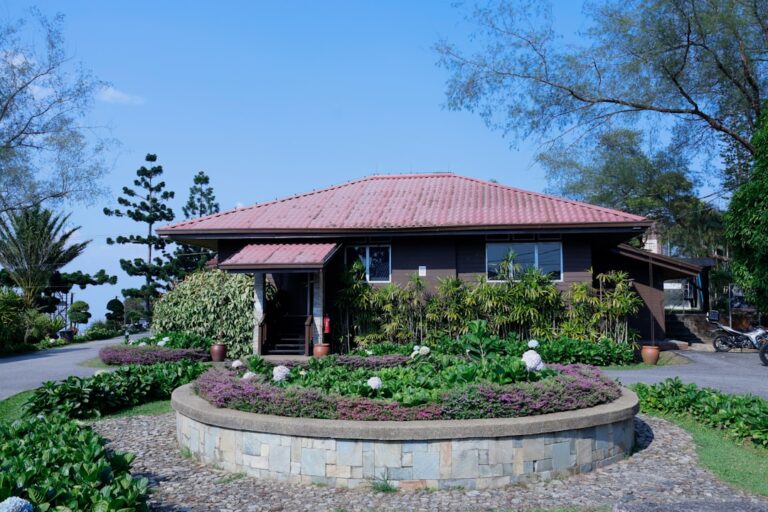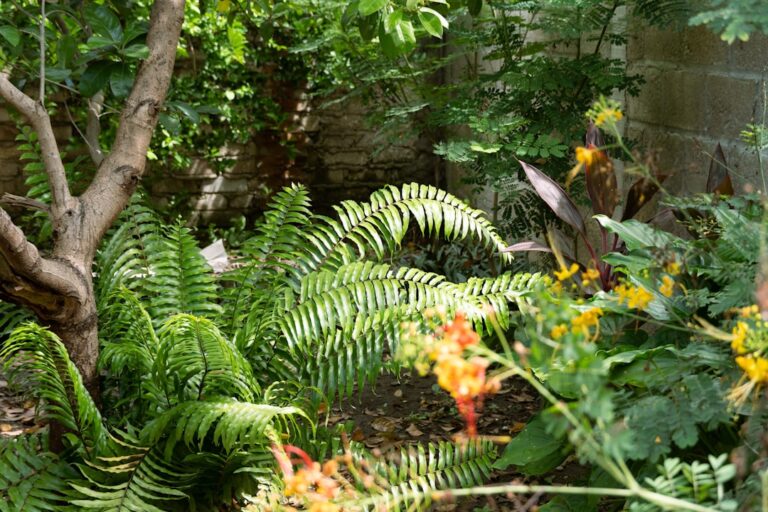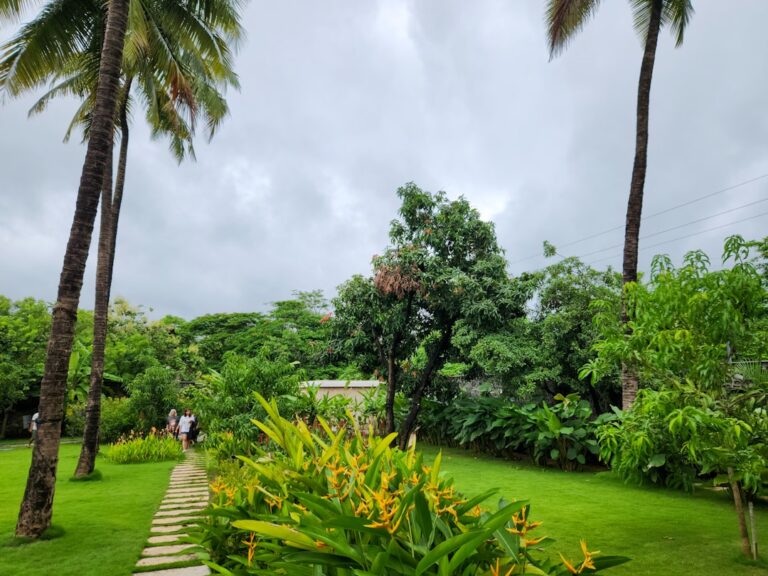
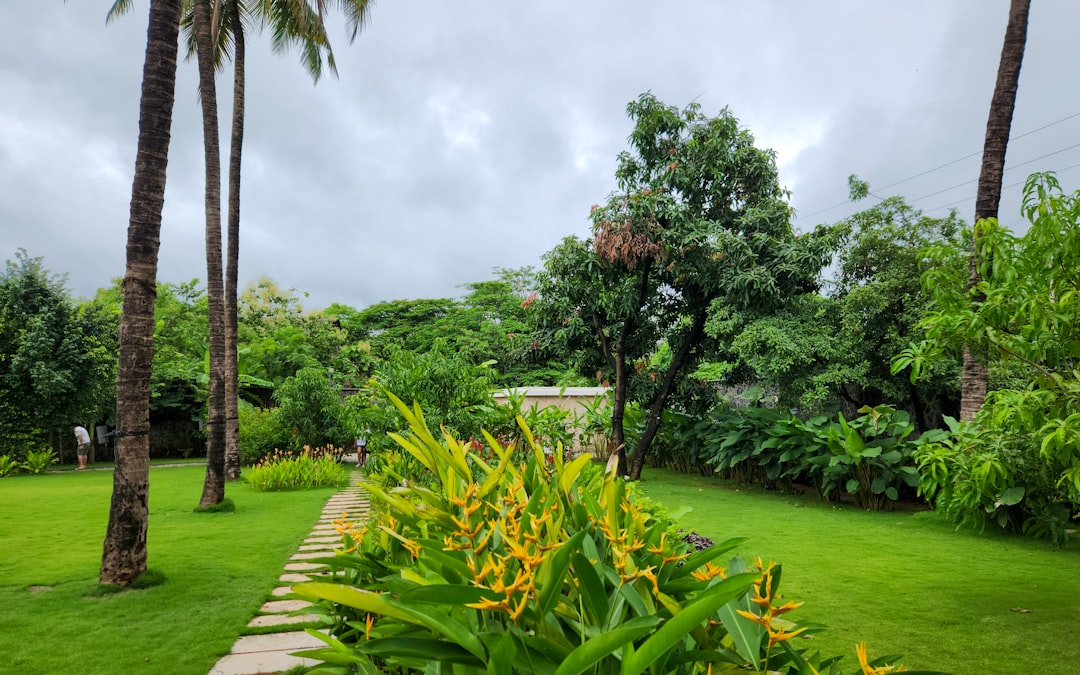
A Mediterranean garden evokes sun-warmed terraces, silvery foliage, terracotta pots and the relaxed, unhurried feel of the south of France or coastal Italy. It is one of the most popular looks homeowners ask for — but recreating it in Singapore takes some thought, because our hot, wet tropical climate is very different from the dry Mediterranean one those gardens come from. The good news is that the style can absolutely be achieved here, with the right adaptations.
This guide explains what defines the Mediterranean look, how to capture its character with plants and materials that thrive in Singapore, and the practical points to get right so the garden looks authentic and lasts.
What defines the Mediterranean look?
Before choosing plants, it helps to understand what makes a garden read as “Mediterranean”. It is less about specific species and more about a set of recurring elements.
- Warm, earthy materials — terracotta, natural stone, gravel and weathered timber.
- A relaxed, informal layout with gravelled areas, winding paths and shaded sitting spots.
- Foliage in soft, silvery and grey-green tones rather than glossy tropical green.
- Pots and containers used generously as features in their own right.
- A focus on outdoor living — shaded terraces, pergolas and places to sit and dine.
Capture these elements and the style comes through, even with plants that are not strictly Mediterranean.
The Singapore challenge: climate
Here is the honest part. Genuine Mediterranean plants — lavender, olive, rosemary and the like — come from a climate with hot dry summers and cool, wetter winters. Singapore offers the opposite: relentless heat, high humidity and heavy rain all year. Many classic Mediterranean plants struggle or simply rot in our conditions, particularly through the wettest months.
The solution is to recreate the look rather than copy the planting plant-for-plant. By leaning on the materials, colours and layout that define the style, and choosing tropical plants that mimic the silvery, textured Mediterranean palette, you get a garden that captures the feeling and survives our weather. Excellent drainage is the other key — Mediterranean plants hate wet feet, and so do many of the substitutes, so beds and pots must drain fast. Where ground stays soggy, proper drainage works are essential groundwork for this style.
Plants that give the Mediterranean feel in Singapore
The aim is to echo the soft, silvery, drought-tolerant look using plants that cope with the tropics.
Foliage and texture
Look for plants with grey-green, silvery or fine-textured foliage that suggests the Mediterranean palette rather than glossy jungle greenery. Architectural plants with strong, sculptural shapes also suit the style well and stand up to our climate.
Herbs that cope
Some hardier herbs tolerate Singapore conditions better than others, especially in raised, free-draining containers where you can control the soil and prevent waterlogging. Grown this way they add authentic Mediterranean scent and usefulness.
Containers as features
Large terracotta-style pots planted with bold specimens are central to the look. Containers also let you control soil and drainage precisely, which is a real advantage for borderline plants in our climate.
Hard landscaping is the foundation
In a Mediterranean garden, the hard landscaping carries much of the style — arguably more than the planting. This works in Singapore’s favour, because stone, gravel and terracotta are unaffected by our climate.
- Gravel areas instantly suggest a sun-baked courtyard and drain beautifully in our rain.
- Natural stone or terracotta paving in warm tones sets the palette.
- Rendered or stone walls in pale, earthy colours give that characteristic backdrop.
- A pergola or shaded terrace creates the relaxed outdoor-living heart of the garden.
Getting these elements built well is what makes the look convincing. Quality civil and hardscape works for the paving, gravel and walls, plus timber structures for shade, do most of the heavy lifting on this style.
Creating shade and outdoor living
The Mediterranean lifestyle is built around shaded outdoor rooms — and in Singapore’s heat, shade is not just stylistic but practical. A pergola draped with climbers, a vine-covered terrace, or a simple shaded dining nook gives you the relaxed, alfresco character of the style while making the garden genuinely usable in our sun. Timber pergolas and shade structures are a natural fit and, done properly, become the centrepiece of the space.
Putting it all together
A successful Mediterranean garden in Singapore comes from balancing authentic style with climate-smart choices: warm materials and a relaxed layout for the look, tropical substitutes for the silvery planting, excellent drainage throughout, and shaded outdoor living at its heart. Because so much depends on the hard landscaping and the planting working together, this style benefits from a designed approach. A full outdoor landscape and construction plan ensures the terracotta, gravel, walls, shade and planting all add up to a coherent, convincing whole rather than a collection of Mediterranean-ish bits.
Frequently asked questions
Can you really grow a Mediterranean garden in Singapore?
You can absolutely achieve the look and feel, though not always with the exact same plants. The trick is to lean on the materials, colours and layout that define the style — terracotta, gravel, warm stone and a relaxed outdoor-living layout — and choose tropical plants that echo the silvery Mediterranean palette while surviving our heat and rain.
Will lavender and olive trees grow here?
Classic Mediterranean plants like lavender and olive struggle in Singapore’s humidity and heavy rain, and often rot in the wettest months. They can sometimes be coaxed along in raised, very free-draining containers, but they are not reliable. It is usually better to use tropical plants that mimic the look.
What is the most important thing to get right?
Drainage. Mediterranean plants and their tropical substitutes both dislike wet feet, and our rainfall is heavy. Fast-draining beds, raised planters and gravel surfaces are essential. The warm-toned hard landscaping — stone, gravel and terracotta — is the next priority, as it carries much of the style.
Is a Mediterranean garden low maintenance?
It can be relatively low maintenance, because gravel and stone surfaces and tough, drought-tolerant-style planting need less attention than a lawn-heavy garden. That said, any garden in our fast-growing climate needs some upkeep, and getting the drainage and planting right from the start is what keeps the work down.
If you love the relaxed, sun-warmed Mediterranean look and want it realised in a way that thrives in Singapore, we can design and build it for you. See our outdoor landscape and construction services or contact us to start planning your garden.