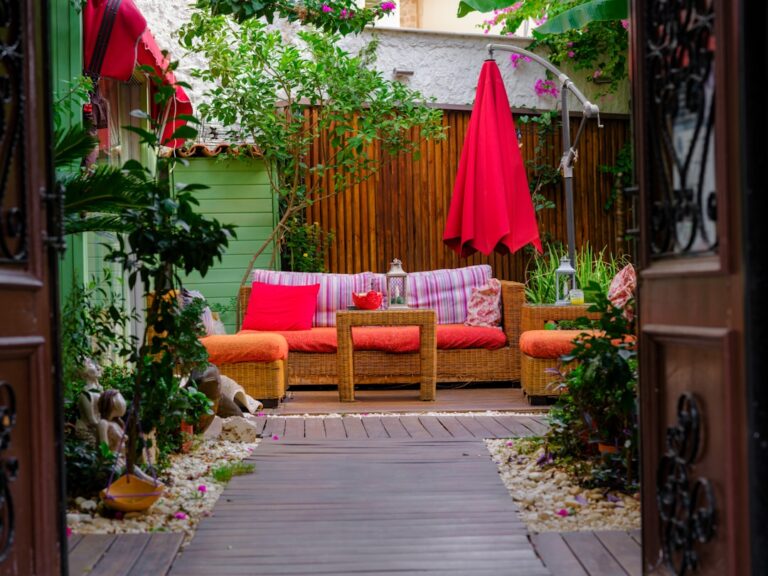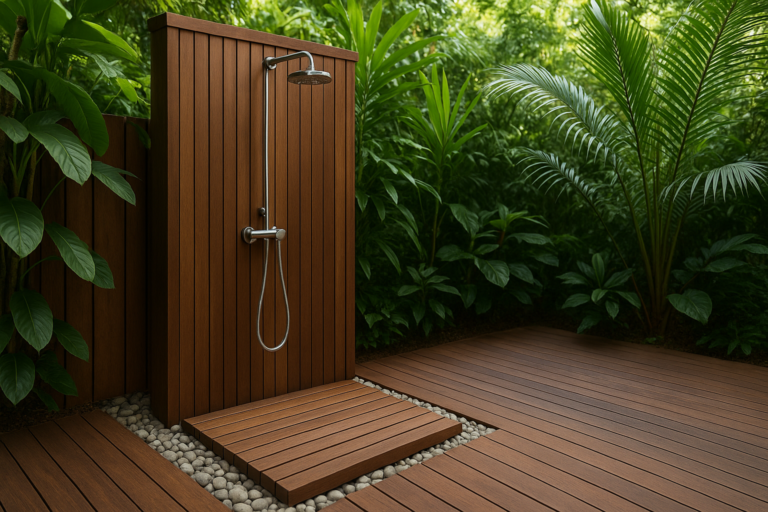

A well-built pergola in Singapore turns an exposed patch of garden into a usable outdoor room, giving you dappled shade, a sense of enclosure and somewhere comfortable to sit through the afternoon heat. Whether you want a quiet reading corner on a landed property or a shaded dining spot beside the pool, the right structure adds both architecture and greenery to your space.
This guide walks through what pergolas and trellises actually do, the materials that hold up in our climate, design ideas worth borrowing, and the plants that will clothe them in green. By the end you’ll know what suits your home and what to ask a builder.
Pergola vs trellis: what’s the difference?
The two terms get muddled, but they do different jobs. A pergola is a freestanding or attached overhead structure — posts supporting an open framework of rafters and beams. It defines a space and casts shade from above. A trellis is a flat, often vertical panel of timber or metal lattice, used to support climbing plants, screen a view, or break up a blank wall.
Many gardens use both together: a pergola overhead for shelter, with trellis panels on one or two sides for privacy and to let creepers climb. Think of the pergola as the ceiling and the trellis as the walls of an open-air room.
Why pergolas work well in Singapore
Our climate is the reason a pergola earns its keep. Direct midday sun makes paved areas too hot to use, while sudden downpours send everyone indoors. An overhead structure softens the sun without sealing you in, and when paired with a clear or louvred roof panel it keeps a downpour off your furniture too.
Because plants grow quickly here, a bare pergola can be smothered in foliage within a year or two — giving you living shade that cools the air beneath it far better than a solid roof would. That growth also means you’ll want a structure strong enough to carry the weight of mature creepers and the regular pruning that comes with them.
Choosing the right material
Material choice matters more here than in a temperate climate, because heat, humidity and heavy rain are relentless. The main options:
- Hardwood timber (chengal, balau). The classic look — warm, natural and well suited to a garden setting. Chengal and balau are durable tropical hardwoods that handle our weather well, though they need occasional oiling to keep their colour. Left untreated they weather to a silver grey, which many owners actually prefer.
- Aluminium. Low-maintenance, rust-free and increasingly popular for modern homes. Powder-coated aluminium pergolas, including motorised louvre systems, won’t rot or need oiling, though the upfront cost is higher.
- Steel. Strong and slim in profile, good for large spans, but it must be properly galvanised and coated or it will rust in our humidity.
- WPC (wood-plastic composite). A middle ground that mimics timber with less upkeep, suitable for posts and slats where you want a wood look without the oiling.
For most landed gardens we find hardwood and aluminium are the two that owners come back to — timber for warmth and character, aluminium for a clean, fuss-free finish.
Design ideas worth borrowing
The dining pergola
Site it next to the kitchen or off the living area so meals flow outdoors easily. Size it generously — allow space to walk around a table with chairs pulled out. A clear polycarbonate roof panel over part of it keeps the table dry in a sudden shower.
The poolside shade
A slatted timber pergola over loungers gives swimmers somewhere cool to retreat. Pair it with an integrated timber deck and structures so the deck, posts and slats read as one considered design rather than separate add-ons.
The green tunnel
A series of pergola frames along a path, planted with climbers, creates a shaded walkway dripping with foliage and flowers. It’s a dramatic feature for a longer garden.
The attached lean-to
Fixed to the house wall, this extends your indoor space outward and is ideal where garden depth is limited. It instantly makes a balcony or rear yard feel like an extra room.
Best climbing plants for a Singapore pergola
The right climbers transform a frame into a feature. Reliable performers in our climate include:
- Bougainvillea — tough, sun-loving and spectacular in flower, though thorny and vigorous, so keep it well away from seating.
- Thunbergia (clock vine) — fast, leafy cover with cheerful flowers.
- Jasmine — fragrant in the evening, lovely near a dining area.
- Passionflower — striking blooms and quick coverage.
- Quisqualis (Rangoon creeper) — scented and free-flowering.
Give heavy climbers a sturdy trellis or wire to grip, and plan for regular pruning — in our growing conditions creepers can quickly become top-heavy or invade gutters if left alone.
What a pergola costs and what affects the price
Cost depends on size, material, roofing and groundwork. As a rough guide, a simple timber pergola sits at the lower end, while a large aluminium structure with motorised louvres, integrated lighting and a finished deck below sits considerably higher. Factors that move the price include:
- Footing and foundation work, especially if posts go into existing paving or a slab.
- Roofing — open slats are cheapest; polycarbonate or louvred panels add cost.
- Lighting, fans and power, which call for proper outdoor-rated wiring.
- Site access and how easy it is to bring materials in.
Treat any figure as a starting point and get a proper site assessment for an accurate quote.
Permissions and practicalities in Singapore
For landed homes, a sizeable structure may need approval, and condo or strata residents will usually need MCST or managing-agent sign-off before building anything fixed on a balcony or PES. Drainage matters too — a roofed pergola sheds water, so make sure runoff is directed to a drain rather than pooling against the house. A good builder will flag these points early. For larger builds, our outdoor landscape and construction team can handle the design, approvals and installation as one package.
Frequently asked questions
Does a pergola provide enough shade in Singapore’s sun?
An open-slatted pergola gives dappled shade, which is comfortable for much of the day and improves further once climbers cover it. If you want full protection from both sun and rain, add a clear or louvred roof panel over the seating area while leaving the rest open for airflow.
How long does a timber pergola last here?
A well-built chengal or balau pergola can last many years in our climate with basic care — keeping it clean, re-oiling occasionally if you want to preserve the colour, and trimming back climbers so timber can dry between rains. Poorly drained or unmaintained structures fail far sooner.
Can I build a pergola on my condo balcony or PES?
Often yes, but you’ll almost always need approval from your MCST or managing agent first, and the design may need to suit weight limits, drainage and facade rules. Check before committing to a design.
Do I need plants on a pergola?
Not at all — a bare pergola still defines space and casts shade, and a clean architectural frame suits modern homes. Plants simply add cooling, fragrance and character if you want them.
If you’re thinking about a pergola or trellis to bring shade and structure to your garden, our team can design and build one that fits your space, your climate and your style. Explore our timber decking and structures service or get in touch for a quote and we’ll come take a look.