
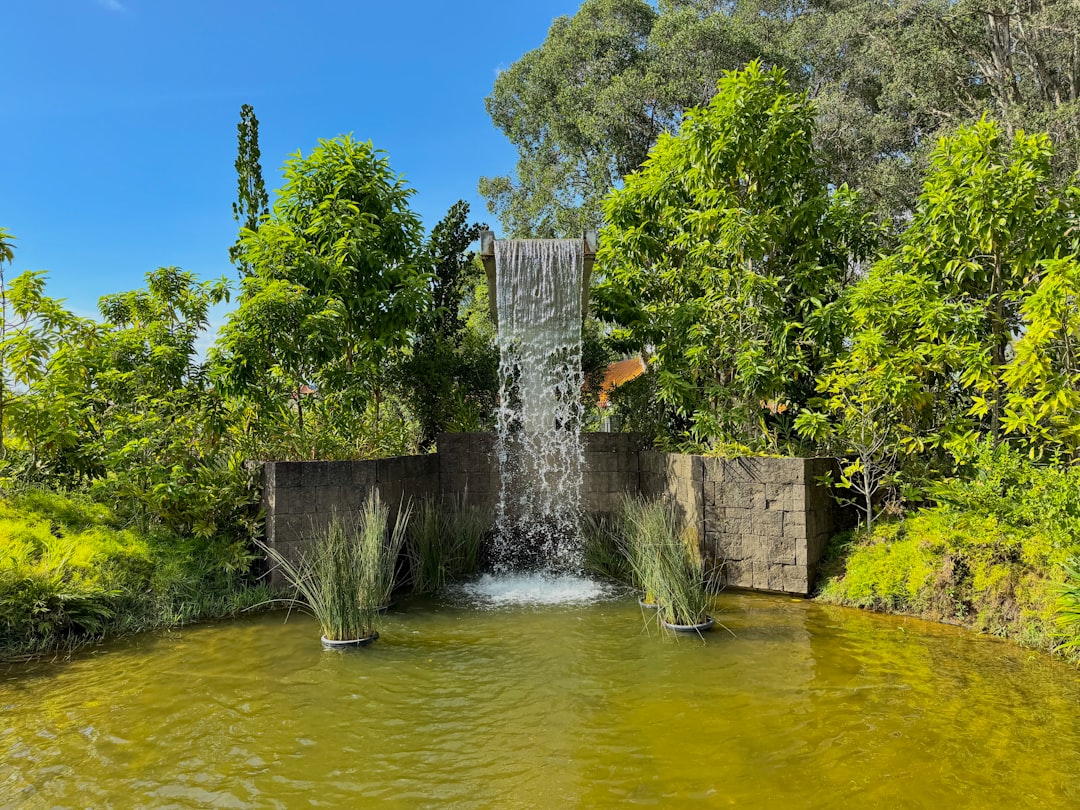
A retaining wall in Singapore is one of those structures you rarely think about until you need one — and then it matters enormously. Whenever ground needs to be held back at different levels, a properly engineered retaining wall keeps soil, water and everything above it safely in place. Get it right and it disappears into the landscape; get it wrong and you risk bulging, cracking or, in the worst case, failure.
This guide explains when you actually need a retaining wall, the main types, how they’re built, and the drainage and approvals that go with them. It’s written for landed homeowners and property managers dealing with sloping ground or level changes.
When do you need a retaining wall?
You need one whenever soil has to be held at two different levels and the slope can’t safely stand on its own. Common situations include:
- Sloping plots where you want to create flat, usable garden or patio areas through terracing.
- Cut-and-fill for driveways, paths or building platforms on uneven ground.
- Boundaries where your land and a neighbour’s sit at different levels.
- Erosion control on banks that wash out in heavy rain.
- Raised beds and planters as a landscape feature that also retains soil.
If you’re terracing a slope to make it usable, the retaining structure is usually the first and most important part of the landscape design and build — everything else sits on top of it.
The main types of retaining wall
Reinforced concrete walls
Strong, durable and suited to taller or heavily loaded situations. They’re engineered to resist the pressure of soil and water behind them and can be faced with stone, render or cladding to suit the garden.
Masonry and block walls
Concrete block or brick walls work well for lower retaining situations and can be finished attractively. Like all retaining walls, they need proper foundations and drainage.
Natural stone and boulder walls
Stone-faced or boulder retaining walls give a natural, attractive look that blends into planting. Suitable for many garden situations when built correctly.
Crib and gravity walls
These hold soil back through their own mass or an interlocking structure, often used on larger banks. The right choice depends on height, load and the look you want.
Selecting the type isn’t just aesthetic — height, soil type, water and the load above all dictate what’s appropriate. This is why retaining walls fall under civil and hardscape works, where structure comes first.
How a retaining wall is built
A sound retaining wall is far more than a wall — it’s a system. The key stages:
- Assessment and design — the height, soil conditions, water and loads behind the wall determine the structure and foundation. Taller or critical walls need engineering input.
- Foundation — a proper footing is dug and built to carry the wall and resist movement.
- The wall itself — built or cast to the engineered specification, with reinforcement where needed.
- Drainage — this is what most failed walls get wrong. Water building up behind a wall creates enormous pressure, so weep holes, drainage channels and a free-draining backfill are essential.
- Backfill and finishing — compacted in layers, then faced and integrated into the garden.
The Singapore angle: rain, drainage and approvals
Drainage is the single biggest factor for retaining walls here. Singapore’s intense, frequent rainfall means water saturates the soil behind a wall fast, and saturated soil is heavy — it dramatically increases the pressure pushing on the wall. A retaining wall built without proper drainage behind it is a wall waiting to fail. Designing the wall together with the wider drainage works is essential, not optional.
Approvals also matter. Retaining walls — especially taller ones, walls near boundaries, or walls that affect drainage and neighbouring land — may require engineering design and approval before construction. This isn’t a formality you should skip: a retaining wall is a structural element, and a failure can be dangerous and expensive. A professional contractor will tell you what’s needed and bring in engineering input where required.
What it costs
Retaining wall cost is driven by height, length, the type of wall, soil conditions, drainage requirements, access and any engineering involved. Low garden walls are relatively modest; tall, engineered, structurally critical walls cost considerably more — and rightly so, given what they’re holding back. As a rough guide, a small landscape retaining wall might run into the low thousands, while substantial engineered walls run much higher. Because it’s a structural element, this is not the place to chase the cheapest quote. A site assessment gives a realistic figure.
Frequently asked questions
When do I actually need a retaining wall?
Whenever soil needs to be held at two different levels and the slope can’t safely stay put on its own — for terracing a slope into usable areas, creating level platforms, managing a boundary with a level difference, or controlling erosion. If you have a slope you want to flatten or a bank that keeps washing out, a retaining wall is usually the answer.
Why do retaining walls fail?
The most common cause is poor drainage. Water building up behind the wall creates huge pressure, especially in Singapore’s heavy rain, and an undrained wall eventually bulges, cracks or collapses. Inadequate foundations, undersized structures and skipped engineering also cause failures. Proper drainage and correct design are what keep a wall standing.
Do I need approval to build a retaining wall?
Possibly — particularly for taller walls, walls near boundaries, or ones affecting drainage and neighbouring land. Many retaining walls need engineering design, and some require approval before construction. It’s a structural element, so don’t treat approvals as optional. A good contractor will advise on requirements and involve an engineer where needed.
How long does a retaining wall last?
A properly engineered and well-drained retaining wall can last for decades. The killer is water and poor construction — walls that fail early almost always have inadequate drainage or foundations. Built correctly with good drainage, a retaining wall should be a long-term, low-worry part of your garden.
Got a slope, a level change or a wall that’s starting to lean? Retaining walls are too important to leave to guesswork. Talk to our landscape and hardscape team or request a site assessment and quote, and we’ll design and build a retaining wall that’s safe, well-drained and built to last.