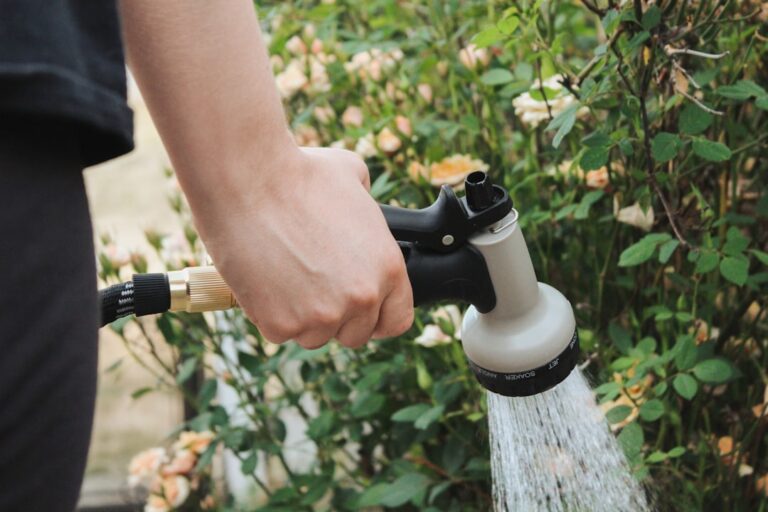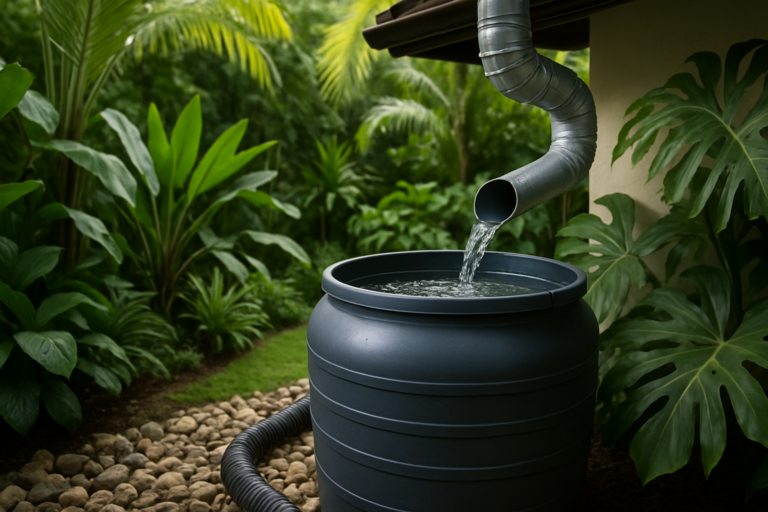

An automatic sprinkler system in Singapore takes the daily chore of watering off your hands and keeps your lawn and garden consistently healthy — especially valuable when our weather swings from drenching downpours to hot, dry stretches that quickly stress a lawn. Set up well, it waters the right areas, at the right time, in the right amount, without you ever holding a hose.
This guide walks through how automatic irrigation works, the main sprinkler types, how systems are zoned and controlled, what installation involves, and roughly what it costs. It’s written for landed homeowners and property managers thinking about putting one in.
Why an automatic system makes sense here
Hand-watering a garden every day is tedious, and it’s easy to water unevenly or skip days when you’re busy or away. Our climate makes consistency matter: lawns and plants grow fast and use plenty of water in the heat, yet too much watering in our humidity invites disease. An automatic system solves both problems by delivering measured water on a schedule, to each area as it needs it. The payoffs are a healthier, more even garden, time saved, and — with the right controls — less water wasted.
How an automatic sprinkler system works
At its heart, the system is a network of buried pipes feeding sprinklers or emitters, switched on and off by valves that a controller operates automatically. The main parts are:
- A water source and supply line — usually mains, sometimes a tank or harvested water with a pump.
- Valves that open and close to feed different sections of the garden.
- Pipes running underground to each area.
- Sprinkler heads or drip emitters that deliver the water.
- A controller (timer) that runs the whole thing on a schedule.
- Optional sensors — a rain sensor that skips watering after rain is especially worthwhile here.
Types of sprinkler and emitter
Pop-up spray heads
These sit flush with the lawn and pop up to spray a fixed pattern when active, then retract. Ideal for lawns and open beds where you want even coverage. They’re the classic choice for turf areas.
Rotor sprinklers
These throw a rotating stream over a larger radius, suiting bigger lawns and open spaces with fewer heads. Good for coverage and efficiency on larger gardens.
Drip irrigation
Drip lines and emitters deliver water slowly straight to the roots of beds, hedges, pots and planters. It’s the most efficient method, loses little to evaporation, and keeps foliage dry — which helps reduce disease in our humid climate. Many gardens use pop-ups for the lawn and drip for the beds.
Zoning: the key to a good system
Different parts of a garden have different needs — a sunny lawn drinks more than a shaded bed; pots dry faster than established shrubs. A well-designed system is split into zones, each watered separately so every area gets what it needs. Zoning also works around water-pressure limits, since you can’t run every sprinkler at once. Thoughtful zoning is what separates a system that wastes water from one that’s efficient. This is where professional design earns its keep, and it ties into wider irrigation services planning.
Controllers and smart features
The controller is the brain. A basic timer runs each zone for a set time on set days — simple and effective. Smarter controllers add useful features for our climate:
- Rain sensors that pause watering when it has rained, so you’re not irrigating during a downpour — a common, wasteful sight.
- Multiple programmes so different zones run on different schedules.
- App control to adjust watering from your phone, handy when you’re away.
Given how often it rains here, a rain sensor or weather-aware controller is one of the most valuable additions you can make.
Installation: what to expect
Putting in a system is a proper landscaping job, best done before or alongside other garden works since it involves trenching. A typical installation runs through:
- Assessing the garden, water pressure and the areas to be watered.
- Designing the zones, pipe runs, head positions and controller location.
- Trenching and laying the supply and distribution pipes.
- Fitting valves, heads and the controller, then connecting the water source.
- Testing each zone, adjusting coverage and setting the schedule.
If you’re already planning a new lawn, beds or hardscape, it’s far cheaper to install irrigation at the same time than to dig up a finished garden later — something to coordinate with any outdoor landscape and construction project.
What it costs
Cost depends on garden size, the number of zones, the sprinkler types and the controller. As a rough guide, a small drip setup for beds is at the lower end, while a fully zoned system covering lawns and beds with a smart controller across a larger landed garden sits considerably higher. The main cost drivers are the area covered, the number of zones and heads, the groundwork involved, and whether a pump or harvested-water source is added. Treat any figure as a starting point and get a site-specific quote.
Frequently asked questions
When should the system water in Singapore?
Early morning is best. Watering before the day heats up reduces evaporation and lets foliage dry out during the day, which helps prevent the fungal problems our humidity encourages. Late-evening watering leaves leaves wet overnight and is best avoided. A controller makes early-morning watering effortless.
Won’t an automatic system overwater given how much it rains?
It can, if it’s just a dumb timer. That’s why a rain sensor or weather-aware controller is so useful here — it skips or reduces watering after rain, so you’re not irrigating a soaked garden. With sensible scheduling and a rain sensor, the system actually saves water compared with guesswork.
Can I add a sprinkler system to an existing garden?
Yes, though it involves some trenching to lay pipes, which means a bit of disruption to lawn and beds that’s then reinstated. It’s very common to retrofit irrigation into an established garden — just expect the install to be tidier and cheaper if combined with other works.
How much maintenance does it need?
Fairly little, but not zero. Heads can get knocked out of alignment or clogged, drip emitters occasionally block, and the schedule should be reviewed seasonally. A periodic check keeps coverage even and catches small faults before they waste water. Many owners fold this into a regular maintenance visit.
Want to stop dragging the hose around and keep your garden consistently green? We design, install and maintain automatic irrigation tailored to your garden and our climate. Explore our irrigation services or get in touch for a quote and we’ll plan a system that fits.