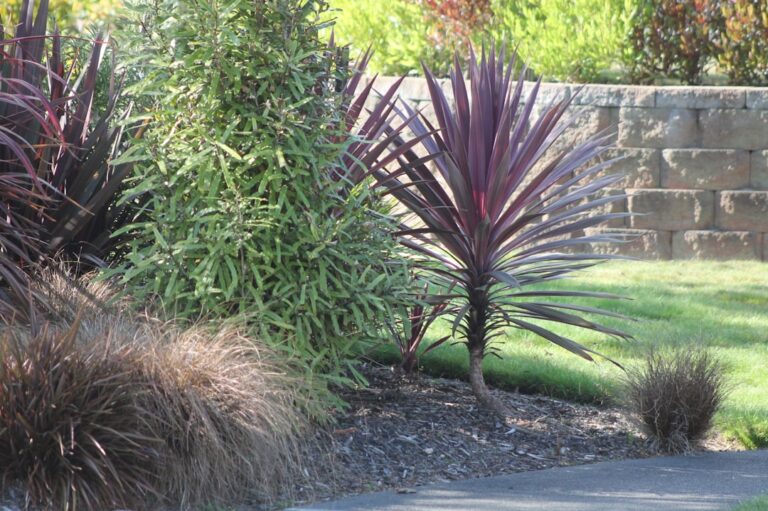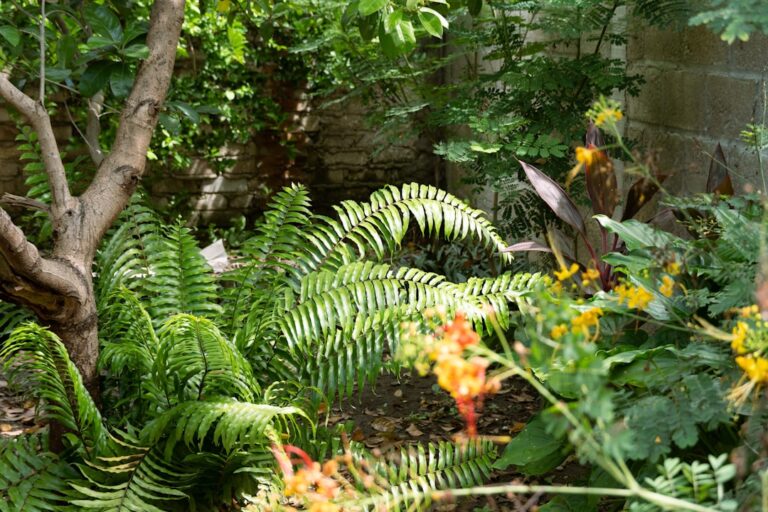

A sustainable garden in Singapore is not about going without — it is about working with our climate rather than against it. By choosing the right plants, watering smartly and building healthy soil, you can have a lush, beautiful garden that uses less water, needs less effort and costs less to run. With water a precious resource and our weather swinging between drenching rain and dry spells, a low-water approach simply makes sense here.
This guide sets out the practical building blocks of a sustainable, low-maintenance garden suited to Singapore conditions.
What “sustainable” really means in a garden
A sustainable garden minimises waste — of water, effort, chemicals and money — while supporting healthy soil and local wildlife. The core principles are:
- Choosing plants that thrive naturally in our climate, so they need less coddling.
- Watering efficiently, with the right amount at the right time.
- Building living soil that holds moisture and feeds plants.
- Managing rainwater on site rather than letting it run straight to the drain.
- Reducing reliance on synthetic feeds and pesticides.
Choose the right plants
Plant choice is the foundation of a low-water garden. The closer a plant is to its natural conditions, the less it needs from you.
Native and well-adapted species
Native Singapore plants are already suited to our heat, humidity and rainfall, so they generally need less water and care once established. Many flowering shrubs, groundcovers and trees fit the bill while still looking lush.
Drought-tolerant favourites
- Bougainvillea and ixora for hardy, sun-loving colour.
- Frangipani and other tough feature trees for structure.
- Succulents and ornamental grasses for texture with minimal water.
Grouping plants by their water needs — thirsty ones together, drought-tolerant ones together — means you water efficiently instead of soaking everything to suit the neediest plant. A considered planting plan is something our outdoor landscape design team can tailor to your light, soil and how hands-on you want to be.
Water smartly, not more
The biggest savings come from how you water. A few changes cut consumption dramatically without stressing plants.
- Drip irrigation: delivers water straight to the roots with minimal evaporation, far more efficient than sprinklers or hand-watering.
- Water early or late: watering in the cool of morning or evening reduces evaporation losses.
- Smart controllers: sensors and timers prevent watering during or after rain — a real benefit in our climate.
An efficient, well-designed irrigation system pays for itself in saved water and healthier plants, and removes the daily chore of hand-watering.
The Singapore climate angle: catch the rain
We get abundant rainfall, so it makes little sense to water with treated tap water while letting downpours rush straight into the drain. A sustainable garden captures and uses what falls:
- Rainwater harvesting: collect roof runoff in tanks or barrels to water the garden between rains.
- Permeable surfaces: gravel, planted joints and rain gardens let water soak into the ground rather than run off.
- Rain gardens and swales: shallow planted depressions that absorb and filter runoff, easing pressure on drains during heavy storms.
These features turn our heavy rain from a drainage headache into a free resource. They work best designed alongside the garden’s overall drainage so water is directed where it is useful.
Build healthy, moisture-holding soil
Living soil is the engine of a low-water garden. Healthy soil holds moisture longer, feeds plants naturally and needs less artificial input.
- Mulch generously: a layer of bark, leaf litter or compost over beds keeps soil cool and moist, suppresses weeds and breaks down to feed the soil. In our heat, mulching dramatically cuts watering needs.
- Compost: recycling garden and kitchen waste into compost improves soil structure and closes the loop on waste.
- Go easy on chemicals: overusing synthetic feeds and pesticides harms soil life. Feed sparingly and choose gentler options where you can.
Low-maintenance by design
Sustainability and low maintenance go hand in hand. The same choices that save water also save effort:
- Replace thirsty, high-upkeep lawn in awkward areas with pebble beds and drought-tolerant planting.
- Use groundcovers to shade soil and crowd out weeds.
- Right-size planting so it does not constantly need cutting back.
A light-touch maintenance routine keeps a sustainable garden looking its best without undoing the savings.
Frequently asked questions
Does a low-water garden have to look dry or sparse?
Not at all. With the right plants for our climate, a low-water garden can be every bit as lush and green as a thirsty one — the difference is that the plants thrive on less. Grouping by water need and mulching well keeps everything looking full and healthy.
Is rainwater harvesting worth it in Singapore?
For most gardens, yes. We get plenty of rain, so capturing roof runoff gives you free water for the garden and eases drainage during storms. Even simple barrels make a difference; larger tanks suit bigger landed gardens.
What is the single best change for using less water?
Mulching, closely followed by efficient drip irrigation. A good layer of mulch slashes evaporation and weeding, and drip irrigation puts water exactly where it is needed. Together they transform how much water a garden needs.
Will a sustainable garden cost more to set up?
Some elements, like rainwater tanks or smart irrigation, are an upfront investment, but they reduce running costs and maintenance over time. Many sustainable choices — native plants, mulch, sensible watering — cost little or nothing extra and start saving straight away.
Want a beautiful garden that sips water, supports the environment and asks less of you? We design and build sustainable, low-water landscapes suited to Singapore conditions. Get in touch for a consultation and we will help you plan a greener garden in every sense.