Tree root damage is one of the most misunderstood problems in a Singapore garden. Roots rarely smash through sound concrete on their own — but they will exploit a crack, a leaking joint or soft soil, and over years that can mean blocked drains, lifted paving and cracked structures. The good news is that most of this is preventable with the right tree choice, sensible positioning and timely maintenance.
This guide explains how roots actually cause damage, the warning signs to watch for, and what you can do to protect your drains and foundations without necessarily losing the tree.
How tree roots cause damage
It helps to understand what roots are doing. They spread outward in search of water, oxygen and nutrients, mostly in the top layer of soil. They do not have the strength to bore through intact, well-laid concrete. Problems arise when:
- There is already a weakness. A hairline crack or a leaking drain joint lets roots in. Once inside a pipe, fine roots thicken and form a mat that blocks flow.
- Roots expand against structures. As a root thickens over years, it exerts steady pressure that can lift slabs, kerbs and shallow paths.
- Soil moisture changes. Thirsty roots can dry out clay-rich soil, causing it to shrink and the ground to settle unevenly — which stresses foundations and paving.
Common signs of tree root damage
Catching root problems early saves a great deal of money. Look out for:
- Lifted, cracked or uneven paving, especially near a large tree.
- Slow drains or recurring blockages traced back to a particular run of pipe.
- Cracks in boundary walls, kerbs or steps that widen over time.
- Surface roots becoming more prominent across a lawn or driveway.
- Damp patches or settlement near drains during heavy rain.
Why it matters more in Singapore
Our climate makes root issues worse than in temperate places. Year-round warmth and heavy rainfall mean trees grow fast and roots extend quickly. Frequent downpours also test every drain and joint — so a pipe that roots have partly blocked will overflow and pool far sooner here than elsewhere.
Property type matters too. On compact landed plots, large trees are often planted close to boundary drains, driveways and the house simply because there is nowhere else. In condominiums, mature estate trees sit near common drains and basement structures, which is why MCSTs and managing agents budget for regular arboriculture and drain checks.
Preventing problems before they start
Prevention is far cheaper than repair. If you are planting new or reviewing an existing garden, take these steps.
Choose and position trees wisely
- Match the tree’s mature size to the space — don’t plant a forest giant beside the drain.
- Keep large species a generous distance from pipes, paving and the house.
- Favour trees with deeper, less aggressive root systems near hard surfaces.
Install physical defences
- Root barriers: rigid panels installed vertically to deflect roots downward and away from a structure or pipe.
- Sound drainage: well-sealed, properly laid pipes give roots nothing to exploit. Upgrading old, cracked runs as part of drainage works removes the invitation in the first place.
What to do if roots are already causing damage
If you suspect a tree is behind a blocked drain or lifted path, resist the urge to cut roots randomly — severing major structural roots can destabilise the tree and create a safety hazard, particularly in our storm-prone climate. A measured approach works better:
- Diagnose first. Confirm the source — a camera survey of a drain, or excavation near the damage, shows what is really happening.
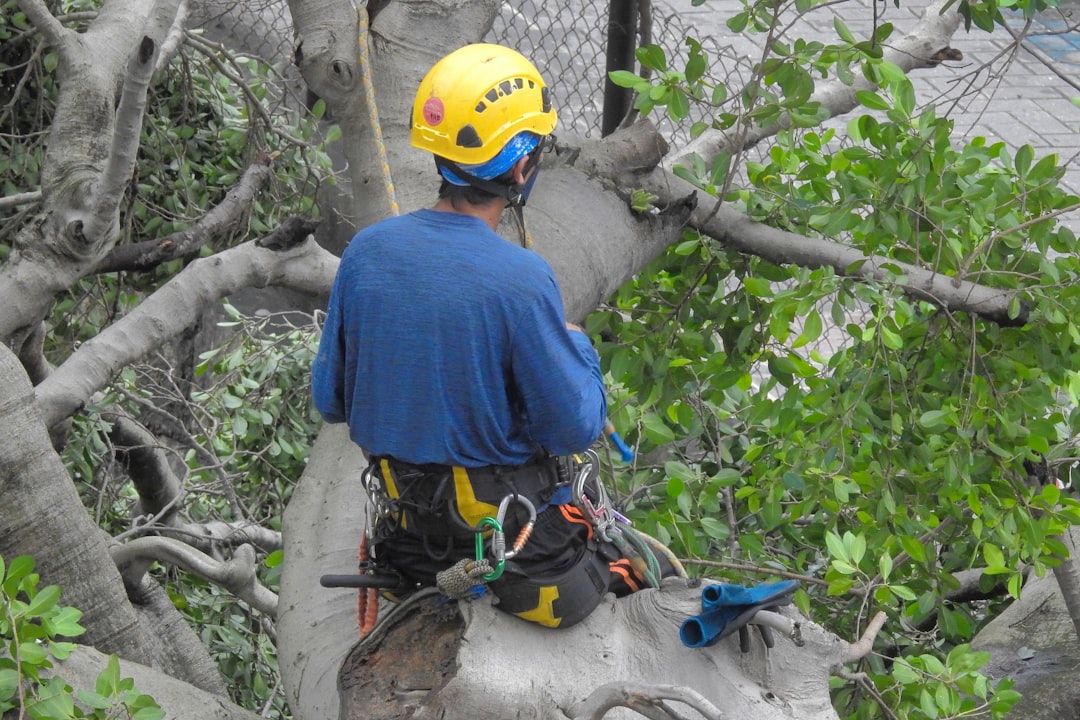
- Prune roots selectively. Smaller roots can sometimes be cut and barriers installed, but this should be assessed by an arborist to protect the tree’s stability.
- Repair the structure. Reline or replace the affected pipe, relay paving, and seal entry points.
- Reduce the load. Sometimes easing demand on the root system through careful crown work helps — our team explains how in our guide to crown thinning and reduction.
- Removal as a last resort. If the tree is unsafe or the conflict cannot be resolved, removal may be needed — but check whether approval is required first.
Trees, foundations and approvals
Before doing major root or tree work, remember that larger and conserved trees may be protected, and you may need approval from NParks for significant pruning or removal. For structural concerns near the house, it is wise to involve both an arborist and, where cracks are serious, a building professional. Phrase your plan as “check first, then act” — it avoids fines and avoids making a structural problem worse.
Frequently asked questions
Can tree roots really crack my house foundations?
Direct cracking of sound, deep foundations is uncommon. More often, roots draw moisture from clay soil, causing it to shrink and the ground to settle unevenly, which stresses the structure. Roots also widen existing cracks. Either way, the fix starts with a proper diagnosis, not guesswork.
How do I stop roots getting into my drains?
Roots enter through cracks and leaking joints, so the long-term answer is sound, well-sealed pipework. Relining or replacing old runs and fitting root barriers between the tree and the drain are the most reliable preventions.
Will cutting the roots kill the tree?
It can, if you cut major structural roots. Light pruning of smaller roots is often fine, but anything substantial should be assessed by an arborist, both to protect the tree’s health and to keep it stable and safe in high winds.
Do I need permission to remove a tree causing damage?
Possibly. Depending on the tree’s size, location and conservation status, you may need approval before removal or major work. Always check before acting rather than assuming you are free to proceed.
If you are dealing with lifted paving, a blocked drain or cracks near a tree, get it diagnosed before it worsens. Our arborists and drainage specialists can identify the cause and recommend the safest fix. Request a site assessment and we will advise on protecting your drains, paving and home.