Singapore is a city in a garden, and once you start looking, the common trees Singapore is famous for become easy to recognise. From the broad green canopies shading our roads to the flowering trees that light up parks, knowing what you are looking at makes every walk more interesting — and, if you have trees on your own property, helps you care for them properly.
This guide introduces some of the most familiar trees you will see around the island, with simple ways to tell them apart by their shape, leaves and flowers. It is written for curious residents and for homeowners who want to understand the trees in their own gardens.
How to identify a tree: what to look for
You do not need to be a botanist. A few features quickly narrow things down:
- Overall shape: Is the canopy a wide umbrella, a tall column, or a rounded dome?
- Leaves: Are they single and simple, or compound with many small leaflets? Large or small? Glossy or dull?
- Flowers and fruit: Colour, size and timing are strong clues.
- Bark and trunk: Smooth, flaky, fissured, buttressed at the base?
- Where it is growing: roadside, park, garden, coastal.
Iconic roadside and shade trees
Rain Tree (Samanea saman)
Perhaps the most recognisable of all — a vast, spreading umbrella canopy that arches gracefully over many of our roads. Its fine, feathery compound leaves fold up in the evening and before rain, giving it its name. Often draped with ferns and other epiphytes on its branches.
Angsana (Pterocarpus indicus)
A fast-growing, broad-canopied shade tree once planted widely along streets. It produces flushes of bright yellow flowers that can carpet the ground beneath after a brief, spectacular bloom. The leaves are compound with neat, pointed leaflets.
Tembusu (Cyrtophyllum fragrans)
A sturdy native tree with a distinctive dark, deeply fissured bark and a dense, dark-green canopy. It bears small, fragrant cream-coloured flowers and small orange-red berries. One famous old Tembusu features on Singapore’s five-dollar note.
Flowering trees that put on a show
Yellow Flame (Peltophorum pterocarpum)
A handsome shade tree that bursts into clusters of golden-yellow flowers, followed by reddish-brown seed pods. Its feathery foliage gives a soft, airy look.
Trumpet trees (Tabebuia / Handroanthus)
Loved for the way they sometimes shed their leaves and erupt into a cloud of pink or yellow trumpet-shaped blooms, creating a brief but striking display along roads and in parks.
Frangipani (Plumeria)
A smaller, sculptural tree with thick, blunt branches and intensely fragrant white, yellow or pink flowers. Common in gardens, temples and resorts for its scent and form.
Palms and other familiar greenery
Not strictly trees in the botanical sense, but unmistakable parts of Singapore’s streetscape:
- Coconut and other tall palms lining coasts, parks and driveways.
- Fan palms and clustering palms used widely in landscaping for their tropical look.
- The Saga tree, whose pods scatter the bright red “love seeds” children collect.
- Sea Almond (Ketapang), with its tiered, layered branching and large leaves that turn red before dropping.
One reason palms are so common in our landscapes is that they suit the conditions perfectly — they handle heat, humidity and salt-laden coastal air, take up relatively little ground space, and give an instant tropical character. In gardens they pair well with broad-leaved foliage plants beneath them, recreating the layered look of a natural tropical setting.
Why so many different trees thrive here
Part of the pleasure of identifying trees in Singapore is realising how varied they are for such a small island. Our consistently warm, wet climate suits an enormous range of tropical species, and decades of deliberate planting have brought together natives alongside trees introduced for shade, flowers or form. The result is that a single street can hold a spreading Rain Tree, a flowering Yellow Flame and a stately Tembusu within a few hundred metres. Once you learn to read canopy shape, leaf type and flowers, that variety becomes easy and enjoyable to spot.
The Singapore context: trees, NParks and your property
Singapore’s greenery is no accident — decades of planting under our garden-city vision have filled the island with carefully chosen species suited to the tropical climate. NParks manages much of the public tree population, and many roadside and park trees are protected. This matters for homeowners in two ways. First, trees on public land or within tree conservation areas are not yours to prune or remove, and works affecting them may need approval. Second, even on your own property, large or mature trees can be subject to rules, and it is wise to get professional, qualified advice before any major pruning, transplanting or removal — both for the tree’s health and your safety.
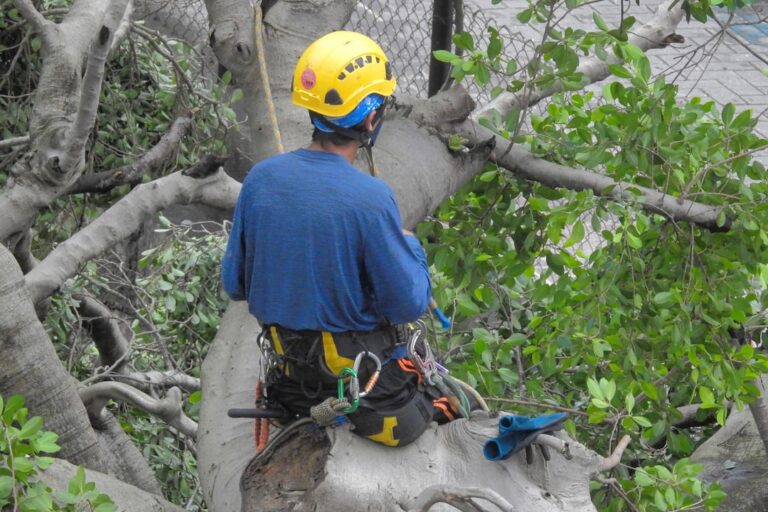
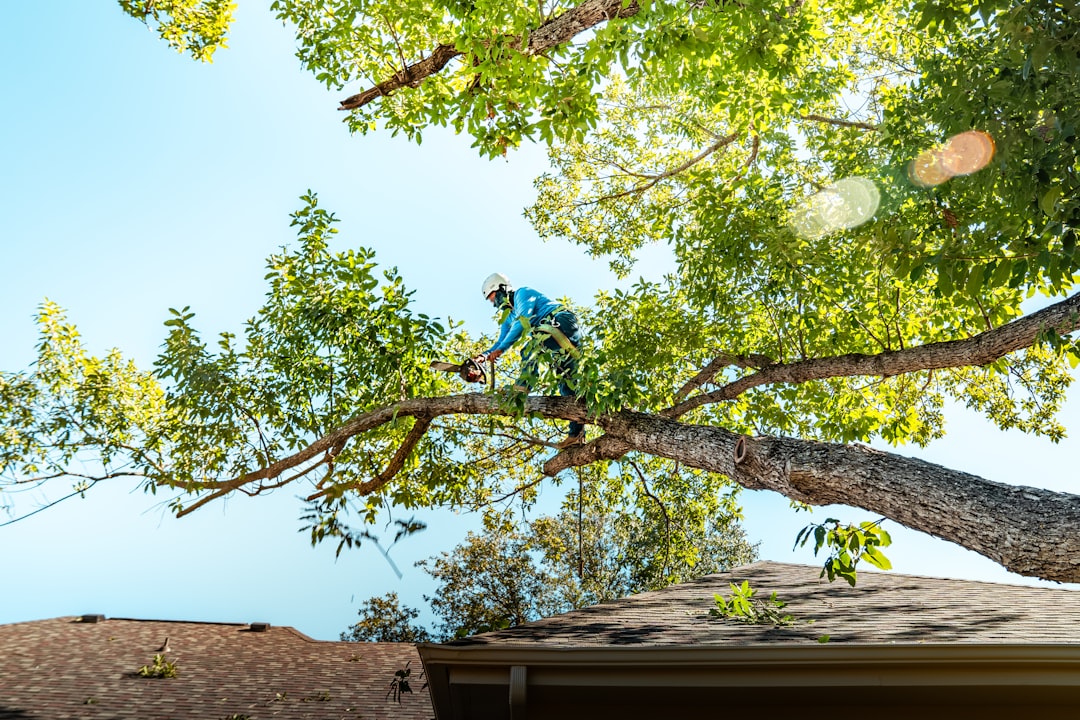
Our climate lets trees grow large and fast, which is wonderful for shade but means regular care to keep them safe and healthy. If you have substantial trees in your garden, sound work matters: see our tree pruning service carried out by qualified arborists, and our tree upgrading and transplanting for moving or improving established trees. You can also see examples of completed work on our projects page.
Frequently asked questions
What is the most common tree in Singapore?
The Rain Tree is among the most recognisable and widely planted, instantly identifiable by its huge, spreading umbrella canopy over many roads. The Angsana and Tembusu are also extremely common across the island.
How can I identify a tree from its leaves alone?
Leaves are a strong clue. Note whether they are simple single leaves or compound with many leaflets, their size and shine, and how they are arranged. Combine that with the tree’s overall shape and any flowers or fruit for a confident identification.
Can I prune or remove a tree on my own property in Singapore?
Trees on public land or in conservation areas are protected and not yours to touch. Even on your own land, large or mature trees may be subject to rules, and major works are best done by qualified arborists. When in doubt, seek advice before pruning or removing significant trees.
Why do some Singapore trees suddenly burst into flower?
Several flowering trees, such as the trumpet trees and Angsana, bloom in short, synchronised flushes triggered by weather cues. The tree may briefly shed leaves and then erupt into colour for a few days, which is why the displays feel so sudden and dramatic.
Have impressive trees in your garden that need expert care? Our qualified arborists assess, prune and manage trees safely across Singapore. Learn about our tree pruning service or get in touch for advice and a quote.