Garden edging in Singapore is one of those small details that makes a disproportionate difference. A crisp edge between lawn and bed instantly makes a garden look cared for, stops grass creeping into your planting, keeps mulch and pebbles where they belong and gives the whole space a finished, professional feel. Whether you call it kerbing or edging, defining your beds is one of the most cost-effective ways to lift a garden.
This guide covers the main edging materials, where each suits, how it is installed, and the practical points that matter in our fast-growing tropical climate.
Why edging matters
It is easy to dismiss edging as merely decorative, but it does real work:
- Stops grass invading beds. Our vigorous tropical grasses spread fast by runners; a proper edge is the barrier that keeps them out of your planting.
- Keeps materials contained. Mulch, pebbles and soil stay in the bed rather than washing onto the lawn or path in heavy rain.
- Defines the design. Clean lines give shape and order, making even a simple planting scheme look deliberate.
- Eases maintenance. A solid mowing edge lets you run the mower right up to the bed without trimming by hand afterwards.
Edging materials and where they suit
Concrete kerbing
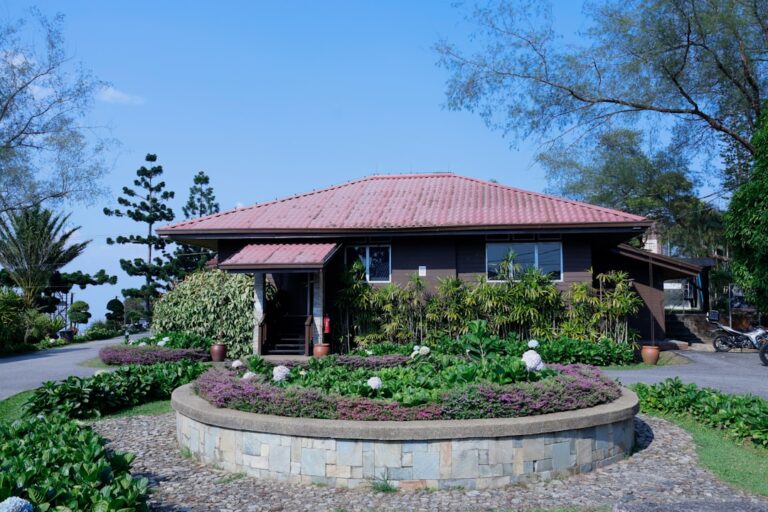
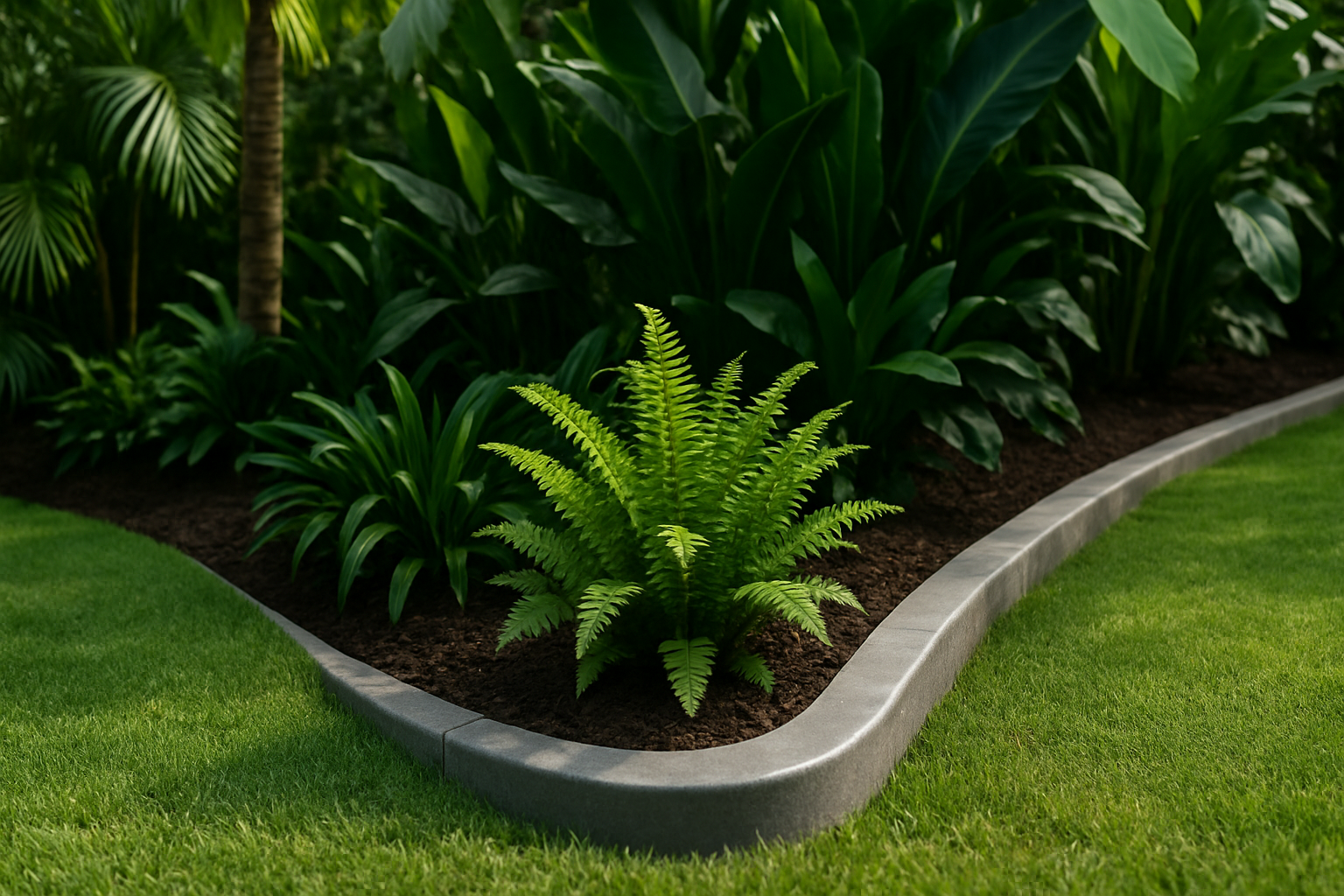
Poured or pre-cast concrete edging is durable, permanent and excellent at holding back vigorous grass. It suits driveways, larger beds and anywhere you want a hard, mow-over edge. It can be finished in different profiles and colours for a neat, built-in look.
Natural stone and brick
Stone setts, granite kerbs or laid brick give a classic, characterful edge that ages well. Ideal for traditional gardens and pairing with stone paving.
Metal edging
Steel or aluminium strips create a sleek, almost invisible line, perfect for modern gardens and crisp curves. Choose corrosion-resistant grades to handle our humidity.
Timber edging
Treated timber or composite gives a warm, natural border that suits relaxed and raised beds. Composite resists rot better in our wet climate.
Pebble and gravel borders
A band of stone between lawn and bed acts as a soft, permeable edge that also aids drainage — though it usually needs a physical restraint to stay tidy.
The Singapore climate angle
Two local realities make edging more important here than in cooler places. First, our grasses grow aggressively in the constant warmth and spread by runners that march straight into unprotected beds — a soft mulch edge will be colonised within weeks, whereas a solid concrete or metal kerb holds the line. Second, heavy rain washes loose soil, mulch and pebbles out of beds and onto paths and lawns; a raised, sealed edge keeps everything contained during downpours.
Material durability matters too. Untreated timber rots quickly in our humidity, and low-grade metal corrodes, so choosing the right specification saves replacing edging in a couple of years. For permanent, structural kerbing — especially along driveways and large beds — it is best installed as part of proper civil and hardscape works with a sound, well-bedded base.
How edging is installed
The look of an edge depends almost entirely on the preparation. The general process is:
- Mark the line. Use a hose or string to set out curves and straights, and stand back to check the shape before committing.
- Excavate a trench to the right depth for the material.
- Lay a base — compacted sub-base and bedding for concrete, stone or brick; a level trench for metal or timber.
- Set and align the edging level and true, haunching concrete or mortar behind kerbs for stability.
- Backfill and finish the bed and lawn sides cleanly.
A mow-over edge — where the kerb sits flush so the mower wheel can run along it — is worth specifying for lawns, as it removes the chore of hand-trimming the bed edges entirely.
Combining edging with planting and beds
Edging is most effective as part of a considered bed design. Pair clean kerbs with mulched beds to suppress weeds, or with raised planter boxes for structure and better drainage. If you are building or reworking beds, our team can integrate edging with planter boxes and soft-scaping so the planting, soil and edges all work together rather than being added piecemeal.
Maintaining clean edges
Even the best edging benefits from occasional attention in our fast-growing climate:
- Trim back grass runners that try to creep over or under the edge.
- Top up mulch or pebbles that settle or wash down over time.
- Clear soil and debris that build up against the edge after heavy rain.
- Re-cut soft edges (where used) to keep the line sharp.
Folding this into a regular landscape maintenance visit keeps the whole garden looking crisp with minimal effort on your part.
Frequently asked questions
What is the best garden edging for stopping grass spreading?
A solid, physical barrier set into the ground works best — concrete kerbing or quality metal edging with sufficient depth. Our tropical grasses spread aggressively by runners, so soft edges like loose mulch or shallow timber will be invaded quickly without a proper restraint.
How much does garden edging cost in Singapore?
It depends on the material and the length involved. Simple metal or timber edging is at the lower end, while poured concrete kerbing or natural stone with proper groundwork costs more. As a rough guide, the price scales with both the material quality and how much excavation and base preparation is needed.
Can I install garden edging myself?
Lightweight metal or timber edging is achievable for a keen DIYer. Concrete kerbing and stone work, however, need correct excavation, bedding and haunching to stay level and durable, so they are usually better installed professionally — especially along driveways or where they must hold back heavy grass.
What edging suits a modern garden?
Sleek corrosion-resistant metal edging gives the cleanest, most minimal line and handles crisp curves beautifully. Flush concrete kerbing in a neutral tone also suits contemporary schemes and doubles as a mow-over edge.
Want crisp, lasting edges that keep your beds tidy and your garden looking sharp? We design and install kerbing and edging as part of complete garden builds and refreshes. Contact us for advice and a quote on the right edging for your garden.