Setting up a rain barrel in Singapore is a simple, sensible way to put our abundant rainfall to work. With downpours arriving most weeks, a barrel collects free, soft water for the garden, eases pressure on drains during heavy rain, and gives you a reserve for the drier, hotter spells. It’s one of the easiest eco-friendly upgrades a gardener can make.
This guide walks homeowners and condo residents through the practical steps: choosing and sizing a barrel, connecting it to a downpipe, the mosquito-proofing that’s essential here, handling overflow safely, and using the water well. We’ll also cover the local rules of thumb worth keeping in mind.
Why collect rainwater in Singapore?
It might seem odd to store rain in a place that gets so much of it, but the benefits are real:
- Free, soft water that plants prefer to treated tap water.
- A reserve for dry spells — our weather still throws up hot, rain-free stretches.
- Less runoff during downpours, which eases the load on drains.
- Lower water bills for anyone with a thirsty garden.
Choosing the right barrel
Rain barrels range from compact 100-litre units to large multi-hundred-litre tanks. Pick a size that matches your roof area, your garden’s needs and the space you have.
- Small balcony or courtyard: a slim 100–200 litre barrel is plenty.
- Landed garden: a larger tank, or several linked together, captures more of each downpour.
- Look for: an opaque, UV-stable food-grade container (opaque slows algae), a sealed lid, a tap near the base and an overflow outlet.
Given how much rain falls in a single Singapore storm, even a modest barrel fills fast — so overflow management matters more than maximum capacity for most homes.
Connecting to a downpipe
The usual setup diverts water from a roof downpipe into the barrel. A rain diverter fitted to the downpipe channels water into the barrel and sends the rest down the pipe as normal, which neatly handles overflow.
- Position the barrel on a stable, level base near a downpipe — raised on blocks so you can fit a watering can under the tap.
- Fit a diverter to the downpipe at the right height, or feed the barrel directly from the pipe.
- Add a fine mesh or first-flush filter at the inlet to keep out leaves and debris.
- Connect the overflow to a drain, garden bed or the continuing downpipe.
Raising the barrel improves the flow from the tap and makes filling cans easier — gravity is your friend.
The non-negotiable: mosquito-proofing
This is the most important section for Singapore. Stored water is a prime mosquito breeding site, and stagnant water is taken very seriously here. A poorly designed barrel is irresponsible — so build mosquito control in from the start.
- Sealed lid: the barrel must be fully covered so adult mosquitoes can’t get in to lay eggs.
- Mesh over every opening: fine mesh on the inlet and overflow stops them sneaking in.
- No open standing water nearby: check saucers, gutters and the base.
- Use the water regularly: turning the water over keeps it from sitting stagnant.
- Inspect routinely: a quick weekly check that everything is sealed and mesh is intact.
A well-sealed, mesh-protected barrel that’s used regularly poses no mosquito risk. An open or neglected one does — so don’t skip this.
Handling overflow safely
Because our storms are heavy, your barrel will overflow often. Plan where that water goes so it doesn’t pool against your house or flood a neighbour.
- Direct overflow to an existing drain or back into the downpipe.
- Alternatively, route it to a planting bed or rain garden that can absorb it.
- Never let overflow pond on paving or run towards foundations.
If your garden already struggles with pooling water, a barrel alone won’t fix it — that calls for proper garden drainage works to move water away safely.
Using your collected rainwater
Rainwater is excellent for the garden — soft and free of treatment chemicals, so plants thrive on it. Use it for:
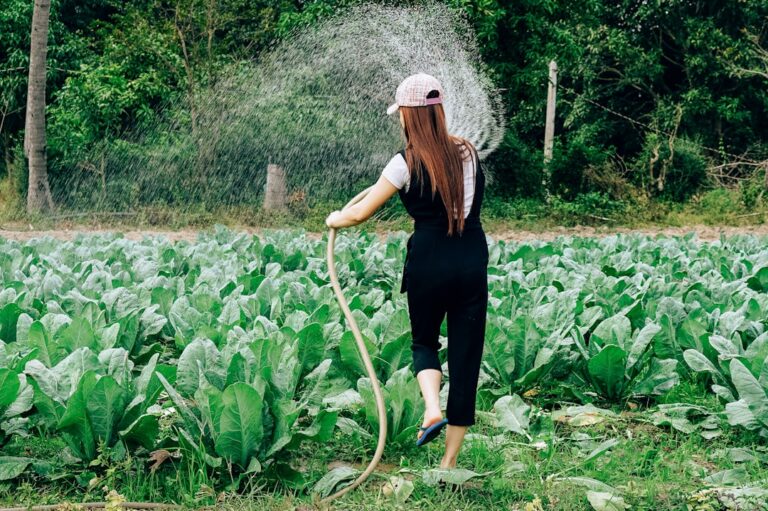
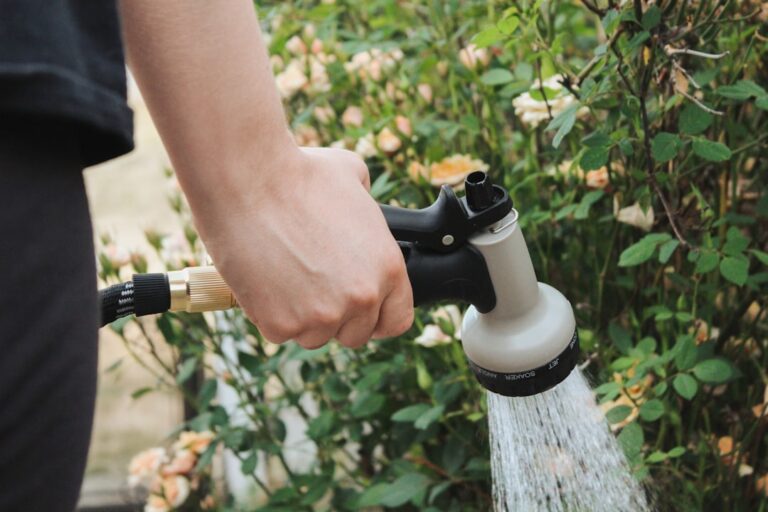
- Watering beds, pots and containers with a can or a low-pressure hose from the tap.
- Topping up ponds and water features.
- Feeding a gravity-fed drip line for nearby beds.
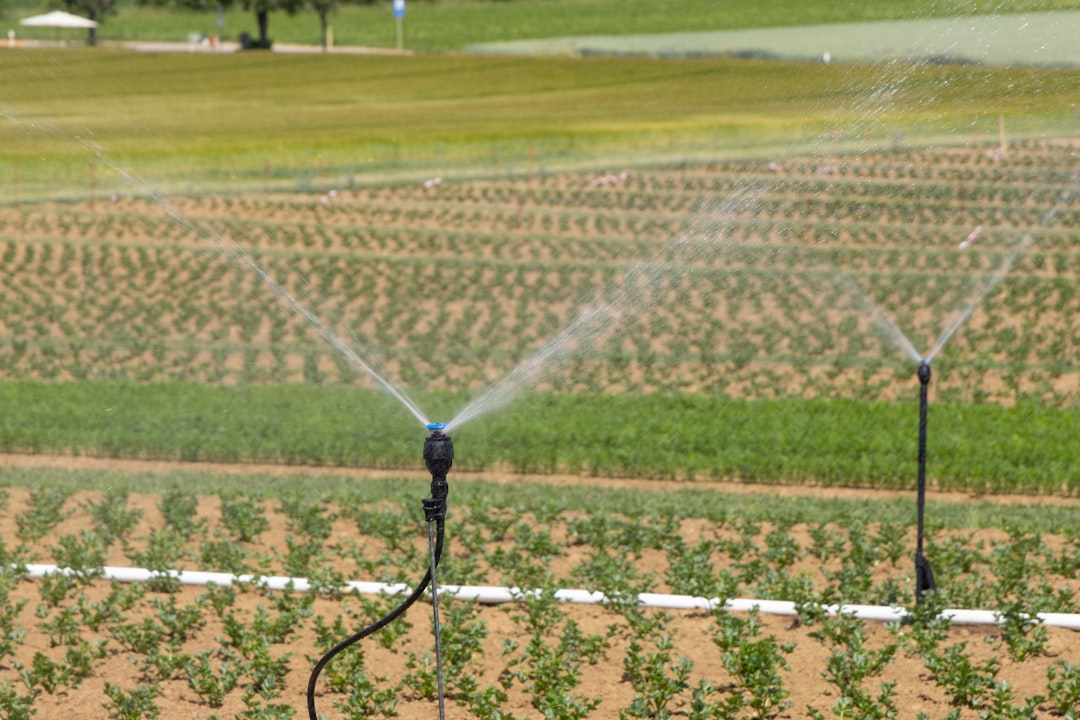
For a larger garden, a barrel pairs well with a proper watering system — our irrigation services can integrate rainwater collection with drip or automated watering so your harvested rain is used efficiently. Use stored water for the garden rather than for drinking or cooking.
What it costs
A basic rain barrel is an inexpensive, accessible project — a simple barrel and diverter kit is among the cheapest garden upgrades. Larger tanks, multiple linked barrels, or integration with an automated irrigation system cost more. As a rough guide, start small to see how quickly your barrel fills, then scale up if you want more capacity.
Frequently asked questions
Will a rain barrel breed mosquitoes in Singapore?
Not if it’s set up correctly. A fully sealed lid, fine mesh over the inlet and overflow, and regular use to keep the water moving prevent mosquitoes from breeding. The risk only arises with open or neglected barrels. Inspect yours weekly to make sure everything stays sealed and intact.
What size rain barrel do I need?
It depends on your roof area, garden size and space. A slim 100–200 litre barrel suits a balcony or small courtyard, while a landed garden benefits from a larger tank or several linked together. Because our storms are heavy, even a modest barrel fills quickly, so plan good overflow rather than chasing maximum size.
Can I use rainwater on all my plants?
Yes — rainwater is soft and free of treatment chemicals, so most plants prefer it to tap water. Use it for beds, pots, containers and topping up ponds. Keep collected rainwater for garden use rather than drinking or cooking, since it isn’t treated to drinking standards.
How do I stop my rain barrel overflowing onto the patio?
Connect the overflow outlet to an existing drain, back into the downpipe, or to a planting bed that can absorb the water. Never let overflow pond on paving or run towards your foundations. If your garden already pools water, address the underlying drainage as well.
Want to harvest rainwater and water your garden more efficiently? We can integrate rain collection with smart watering and sound drainage. Explore our irrigation services or get in touch for a quote.